Hoeven, Peters Secure Senate Approval of Protect Infant Formula From Contamination Act
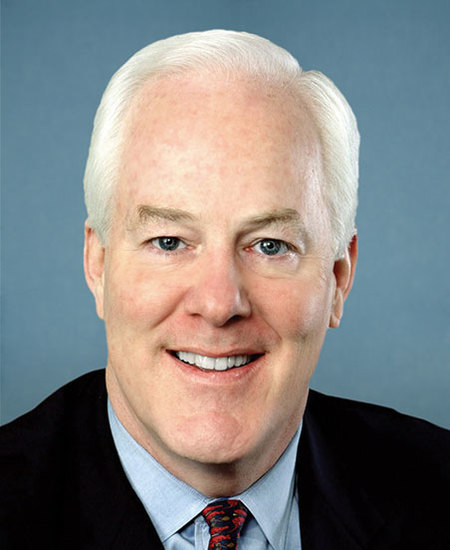
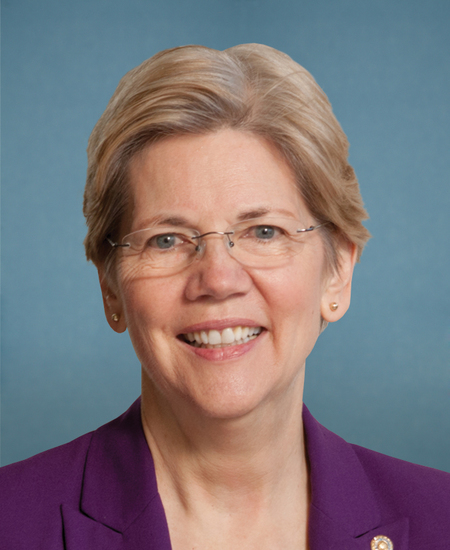
WASHINGTON – Senators John Hoeven (R-N.D.) and Gary Peters (D-M.I.) today announced that the Senate has unanimously approved their bipartisan legislation to help prevent future infant formula shortages. The senators introduced the bill in response to bacterial contamination at an infant formula manufacturing plant in Michigan that caused the deaths of 9 infants, and infant formula recalls that triggered a nationwide shortage in 2022. The legislation strengthens U.S. Food and Drug Administration (FDA) oversight of infant formula manufacturing to improve the security of the U.S. infant formula supply and ensure American families have access to safe formula. “Infant formula needs to be safe and readily available for American families who rely on this vital product to feed their children. Our legislation will strengthen the infant formula market by helping better protect against contamination and bolstering the supply chain to prevent shortages. We are pleased that the Senate has now approved our legislation and look forward to getting this bill through the House and signed into law to ensure that we have a stable and secure supply of formula for American children,” said Senator Hoeven. “As a father and grandfather, there is nothing more important than keeping our kids safe and healthy. Parents deserve the peace of mind knowing the formula they give their babies is safe,” said Senator Peters. “That’s why I’m proud to see this bipartisan bill pass the Senate. This commonsense bill will help to protect our kids by ensuring contaminated formula doesn’t reach the shelves in the first place, and prevent another nationwide shortage where folks struggled to both find and afford infant formula.” The Protect Infant Formula from Contamination Act (PIFCA) takes a three-pronged approach to reduce the risk of infant formula contamination. Specifically, the bill: Strengthens safety reporting and ensures timely corrective action. The bill requires infant formula manufacturers to conduct testing for Cronobacter or Salmonella in infant formula marketed for consumption. The legislation also requires manufacturers to notify the FDA within one business day of detecting contamination, while setting timelines for investigation and corrective action. This improves upon current law, under which manufacturers are only required to notify the FDA if the product has left the company’s control. Enhances market resiliency. The FDA would be required to monitor and quarterly report on the in-stock rates of infant formula, as well as work with the U.S. Department of Agriculture and other agencies to ensure markets can meet demand over the long term. Increases accountability and consultation. The FDA would be required to issue a progress report to Congress on implementation of the long-term national strategy and recommendations that it developed after the 2022 recall and shortage. The bill would also require the FDA to consult with industry on contamination mitigation best practices, including those associated with botulism, and ways to maximize infant formula supply. -###-
07588b80-257d-472a-ac8d-e13264cad09cIssued within 24 hours
Other senators' releases published in the day before or after this one.