Cantwell Reintroduces Bipartisan Bill to Hold PBMs Accountable for Driving Up Drug Costs
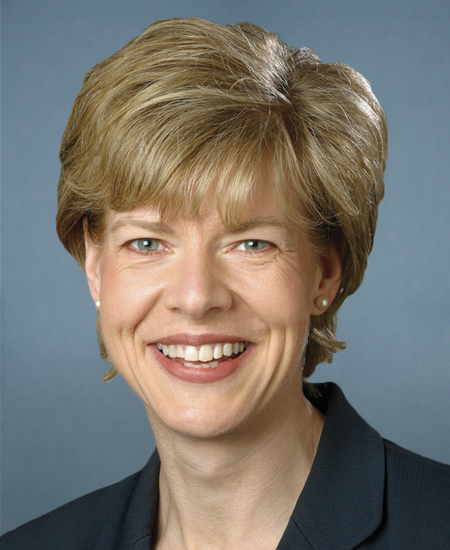
02.13.25 Cantwell Reintroduces Bipartisan Bill to Hold PBMs Accountable for Driving Up Drug Costs Prescription pricing middlemen inflate costs for consumers, making it harder for pharmacies to stay open and creating pharmacy deserts; WA state ranks sixth worst in the nation for pharmacy access WASHINGTON, D.C. – Today, U.S. Senator Maria Cantwell (D-WA), ranking member of the Senate Committee on Commerce, Science, and Transportation and senior member of the Senate Finance Committee, joined U.S. Senator Chuck Grassley (R-IA) in reintroducing the Pharmacy Benefit Manager Transparency Act, which would increase drug price transparency and hold Pharmacy Benefit Managers (PBMs) accountable for unfair and deceptive practices that drive up prescription drug prices. This legislation will reduce prescription costs for consumers and save taxpayers $740 million. “Increasing prescription drugs costs have a devastating impact on the pocketbooks of American consumers,” said Sen. Cantwell. “For too long, Americans have been left in the dark while PBMs – the mysterious drug middlemen – manipulate prices. Preliminary findings by the FTC found that the three biggest PBMs hiked prices of some lifesaving drugs by 1,000 percent. This legislation will prevent PBMs from engaging in spread pricing and claw backs that harm consumers and independent pharmacies. It’s time for Congress to reinforce FTC’s ability to hold PBMs accountable for deceptive and abusive practices.” In Washington state, local pharmacies are struggling. The Washington State Pharmacy Association reported that a record 83 pharmacies shuttered across the state in 2023 and the first half of 2024 – in rural and urban areas alike – and an analysis by the Associated Press found that Washington state is sixth worst in the nation for access to pharmacies. Many of the region’s pharmacists point to the lower reimbursement rates on most of their prescriptions as a main reason for why their pharmacies are struggling, an issue caused by unfair PBM pricing practices. In addition, new data released today by the Bureau of Labor Statistics showed that inflation rose to 3 percent in January – including a record monthly increase in the cost of prescription drugs. PBMs were initially formed to process claims and negotiate lower drug prices with drug makers, but today they the wield too much influence over the price and access to prescription drugs. PBMs administer prescription drug plans for hundreds of millions of Americans and three PBMs control nearly 80% of the prescription drug market. Pharmacy Benefit Managers are middlemen that manage nearly every aspect of the prescription drug benefits process for health insurance companies, self-insured employers, unions, and government programs. They operate out of the view of regulators and consumers — setting prescription costs, deciding what drugs are covered by insurance plans, and determining how they are dispensed – pocketing unknown sums that might otherwise be passed along as savings to consumers and undercutting local independent pharmacies. This lack of transparency makes it impossible to fully understand if and how PBMs might be manipulating the prescription drug market to increase profits and drive-up drug costs for consumers. Key takeaways from a July 2024 interim Federal Trade Commission (FTC) staff report show that: Market concentration and vertical integration have given PBMs significant power and control over what drugs are available to patients and at what price, without public transparency or accountability. PBMs engage in self-preferencing by steering patients to affiliated pharmacies and away from independent pharmacies. PBMs may be using their market power to force independent pharmacies into unfair contract terms and below-cost reimbursement rates. PBMs and manufacturers enter into rebate agreements that may impair or block access to lower-cost drugs. A subsequent interim staff report released a few weeks ago found that the three largest PBMs significantly marked up prices for specialty generic drugs—some by over 1,000% — and made an estimated $1.4 billion in income from spread pricing. Last September, the FTC sued the three largest PBMs for engaging in anticompetitive and unfair practices that inflated the price of insulin drugs, blocked patients’ access to more affordable products, and shifted the cost of high insulin list prices to vulnerable patients. The PBM Transparency Act would save taxpayers $740 million over 10 years. The Pharmacy Benefit Manager Transparency Act of 2025 will: Prohibit unfair or deceptive practices. Block PBMs from engaging in spread pricing, unfairly reducing or clawing back drug reimbursement payments to pharmacies, and unfairly charging pharmacies more to offset federal reimbursement changes. Incentivize fair and transparent PBM practices. Provide some exceptions to liability for PBMs that pass along 100% of rebates to health plans or payers and fully disclose prescription drug rebates, costs, prices, reimbursements, fees, and other information to health plans, payers, pharmacies, and federal agencies. Improve transparency and competition by requiring PBMs to report: The amount of money they obtain from spread pricing, pharmacy fees, and clawbacks. Any differences in the PBMs’ reimbursement rates or fees PBMs charge affiliated pharmacies and non-affiliated pharmacies. Whether and why they move drugs to a higher-cost formulary tier. Direct the FTC to report to Congress its enforcement activities and whether PBMs engage in unfair or deceptive formulary design or placement. Authorize the FTC and state attorneys general to enforce the bill. Protect whistleblowers from being fired or reprimanded for bringing violations to light. Sen. Cantwell has worked for years to bring transparency to the PBM industry and reduce drug costs for consumers. She first introduced the bipartisan Pharmacy Benefit Manager Transparency Act in May 2022 with Sen. Grassley and again in 2023 . Sen. Cantwell led passage of the bill in the Commerce Committee in 2022 and again in March 2023, and vowed to keep fighting until the bill becomes law. She led a press conference at a Seattle pharmacy in October 2023 and called for the bill’s passage by the Senate in June 2024, and again in July following the damning FTC report . Print Email Tweet Next Article Previous Article
dcd7e6a8-5a22-4458-a68c-e4ec05b9a692Edit history (1 prior version)
This release was edited after publication. Earlier captures are preserved below.
- Captured May 2, 2026, 10:11 AM EDT
Show prior body text
WASHINGTON, D.C. –Today, U.S. Senator Maria Cantwell (D-WA), ranking member of the Senate Committee on Commerce, Science, and Transportation and senior member of the Senate Finance Committee, joined U.S. Senator Chuck Grassley (R-IA) in reintroducing the Pharmacy Benefit Manager Transparency Act, which would increase drug price transparency and hold Pharmacy Benefit Managers (PBMs) accountable for unfair and deceptive practices that drive up prescription drug prices. This legislation will reduce prescription costs for consumers and save taxpayers $740 million. “Increasing prescription drugs costs have a devastating impact on the pocketbooks of American consumers,”said Sen. Cantwell.“For too long, Americans have been left in the dark while PBMs – the mysterious drug middlemen – manipulate prices. Preliminary findings by the FTC found that the three biggest PBMs hiked prices of some lifesaving drugs by 1,000 percent. This legislation will prevent PBMs from engaging in spread pricing and claw backs that harm consumers and independent pharmacies. It’s time for Congress to reinforce FTC’s ability to hold PBMs accountable for deceptive and abusive practices.” In Washington state, local pharmacies are struggling. The Washington State Pharmacy Associationreportedthat a record 83 pharmacies shuttered across the state in 2023 and the first half of 2024 – in rural and urban areas alike – and an analysis by the Associated Press found that Washington state is sixth worst in the nation for access to pharmacies.Many of the region’s pharmacistspoint to the lower reimbursement rates on most of their prescriptions as a main reason for why their pharmacies are struggling, an issue caused by unfair PBM pricing practices. In addition, new data released today by the Bureau of Labor Statistics showed that inflation rose to 3 percent in January – including a record monthly increase in the cost of prescription drugs. PBMs were initially formed to process claims and negotiate lower drug prices with drug makers, but today they the wield too much influence over the price and access to prescription drugs. PBMs administer prescription drug plans for hundreds of millions of Americans and three PBMs control nearly 80% of the prescription drug market. Pharmacy Benefit Managers are middlemen that manage nearly every aspect of the prescription drug benefits process for health insurance companies, self-insured employers, unions, and government programs. They operate out of the view of regulators and consumers — setting prescription costs, deciding what drugs are covered by insurance plans, and determining how they are dispensed – pocketing unknown sums that might otherwise be passed along as savings to consumers and undercutting local independent pharmacies. This lack of transparency makes it impossible to fully understand if and how PBMs might be manipulating the prescription drug market to increase profits and drive-up drug costs for consumers. Key takeaways froma July 2024 interim Federal Trade Commission (FTC) staff reportshow that: Asubsequent interim staff reportreleased a few weeks ago found that the three largest PBMs significantly marked up prices for specialty generic drugs—some by over 1,000% — and made an estimated $1.4 billion in income from spread pricing. Last September, the FTCsued the three largest PBMsfor engaging in anticompetitive and unfair practices that inflated the price of insulin drugs, blocked patients’ access to more affordable products, and shifted the cost of high insulin list prices to vulnerable patients. The PBM Transparency Act would save taxpayers $740 million over 10 years. The Pharmacy Benefit Manager Transparency Act of 2025 will: Sen. Cantwell has worked for years to bring transparency to the PBM industry and reduce drug costs for consumers. She first introduced the bipartisan Pharmacy Benefit Manager Transparency Act in May 2022 with Sen. Grassley andagain in 2023. Sen. Cantwell led passage of the bill in the Commerce Committee in 2022 andagain in March2023, and vowed to keep fighting until the bill becomes law. She led a press conference at a Seattle pharmacy inOctober2023 and called for the bill’s passage by the Senate in June 2024, and again inJuly following the damning FTC report.
Issued within 24 hours
Other senators' releases published in the day before or after this one.