NEWS: Sen. Schiff Urges CFTC Chair Selig to Uphold Law, Prohibit Prediction Markets Incentivizing Physical Injury, Death or War
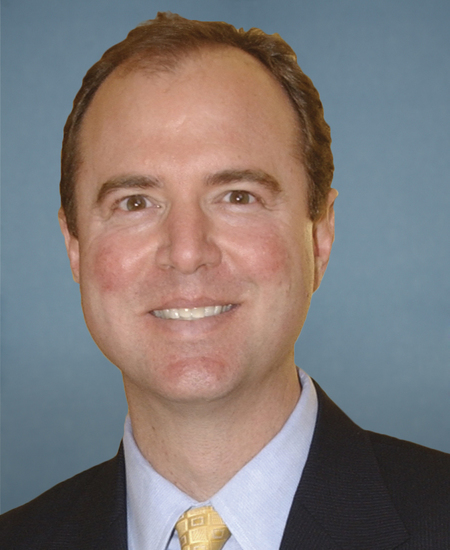
Washington, D.C.—Today, U.S. Senator Adam Schiff (D-Calif.), a member of the Senate Agriculture Committee,ledfive Senators in urging Commodity Futures Trading Commission Chair Michael Selig touphold U.S. lawand take action to halt prediction contracts that involve betting on physical injury, death or war, and to vigorously enforce the law through oversight and regulation of this market.
“These contracts present dangerous national security risks, including creating incentives to incite violence, foment geopolitical conflicts, and disclose classified information,”the Senators wrote in a letter to Chair Selig.“Under 17 CFR 40.11, the CFTC categorically prohibits contracts that involve, relate to, or reference terrorism, assassination, war, or similar activity contrary to the public interest from being listed. You must clearly reiterate that the CFTC will categorically prohibit any contract that resolves upon or closely correlates to an individual’s death—and vigorously enforce the law through oversight and regulation.”
Schiff and the Senators highlight to Selig their concerns over recent proliferation of these contracts on exchanges, despite theCommodity Exchange Actexpressly prohibiting the listing of contracts that are contrary to the public interest, including in the following categories: war, terrorism, and assassination. The Senators point to recent examples of Polymarket’s offshore exchange offering dangerous prediction contracts on whether Artemis II would explode, if Maduro would be removed from power, and whether the Ukrainian town of Myrnohad would be captured by Russian forces.
“These recent events highlight the lack of internal controls and safeguards to prevent insiders from profiting off of non-public information, and direct profiteering off of human suffering…Troublingly, they also underscore the dangerous incentives directly or indirectly tied to offering contracts related to prohibited categories under the CEA. Government officials, regulated entities, consultants who may be in close communication with those effectuating policy change, and other similar parties can easily act on confidential or operationally sensitive information to personally profit in markets that operate with minimal oversight or transparency, or share this information with contacts who can similarly profit,”continued the Senators.
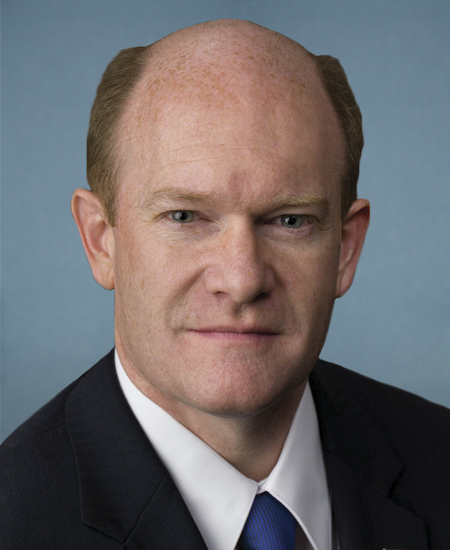
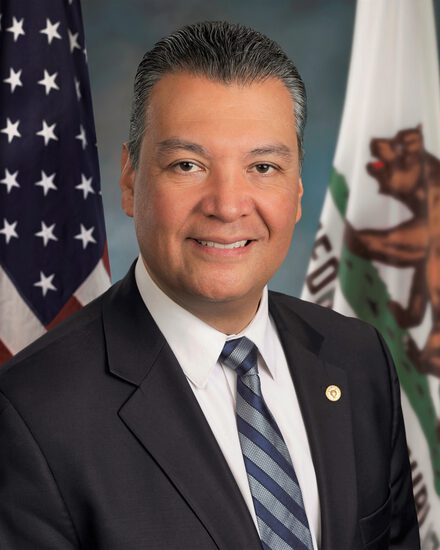
This letter is signed by Senators Catherine Cortez Masto (D-Nev.), Richard Blumenthal (D-Conn.), Cory Booker (D-N.J.), Tim Kaine (D-Va.), and Jacky Rosen (D-Nev.).
Background:
On February 13, 2026, Senators Schiff and Cortez Masto led over 20 Democratic Senators tourgeCFTC Chairman Michael Selig to abstain from intervening in pending litigation involving prediction markets and to maintain the Commission’s prohibition on CFTC-registered platforms listing prediction contracts involving gaming, including sports, terrorism, assassination.
The full text of the letter is availablehereand below:
Chairman Selig,
We are writing to express strong concern with prediction contracts that incentivize physicalinjury or death, and the grave and perverse moral and geopolitical implications of thesecontracts. These contracts present dangerous national security risks, including creating incentives to incite violence, foment geopolitical conflicts, and disclose classified information. These concerns have already been realized in recent months as these contracts proliferate on exchanges. Under 17 CFR 40.11, the CFTC categorically prohibits contracts that involve, relate to, or reference terrorism, assassination, war, or similar activity contrary to the public interest from being listed.
You must clearly reiterate that the CFTC will categorically prohibit any contract that resolves upon or closely correlates to an individual’s death—and vigorously enforce the law through oversight and regulation.
Over the past three months, Polymarket’s offshore exchange has offered prediction contracts on:
The Commodity Exchange Act, under section 5c(c)(5)(C)(i), expressly prohibits the listing ofcontracts that are contrary to the public interest, including in the following categories: war,terrorism, and assassination. A reasonable individual would interpret these contracts as likelyprohibited under this provision.
Polymarket is a U.S. company headquartered in New York City. While most U.S. users areostensibly blocked from accessing Polymarket, contracts listed on Polymarket’s offshoreexchange can easily be accessed by individuals based in the U.S. through the use of a VirtualPrivate Network (VPN). Following Polymarket’s acquisition of QCEZ, a CFTC licensedderivates exchange and clearinghouse, the CFTC has cleared the way for Polymarket to reenterthe U.S. market and allowed U.S. users to register for a waitlist ahead of its formal launch. Given the volume of these alarming prediction contracts and Polymarket’s return to the U.S. market, the CFTC must provide clarity and take an active role in regulating this space.
We have already seen the consequences of these contracts being offered.
These recent events highlight the lack of internal controls and safeguards to prevent insiders from profiting off of non-public information, and direct profiteering off of human suffering.
Troublingly, they also underscore the dangerous incentives directly or indirectly tied to offering contracts related to prohibited categories under the CEA. Government officials, regulated entities, consultants who may be in close communication with those effectuating policy change, and other similar parties can easily act on confidential or operationally sensitive information to personally profit in markets that operate with minimal oversight or transparency, or share this information with contacts who can similarly profit. These contracts further risk incentivizing real-world harm by creating financial rewards linked to destabilizing events or physical injury, and by encouraging actors to influence or precipitate those outcomes for personal profit.
The CFTC’s mission is to promote the integrity, resilience, and vibrancy of the U.S. derivativesmarkets through sound regulation. To that end, we expect the CFTC to be proactive in providingclear rules of the road and regulating this space. In order to conduct our constitutional oversight responsibilities, we request answers to the following questions no later than March 9, 2026:
The letter and spirit of the CEA’s prohibition on war, terrorism, and assassination contracts isclear. We expect the CFTC to enforce the law, and stand ready to provide the Commission theresources it needs to fulfill its statutory mandate. Thank you for your attention this matter.
###
f7c51e1f-38b3-4ff6-9899-788b065a48f6Issued within 24 hours
Other senators' releases published in the day before or after this one.