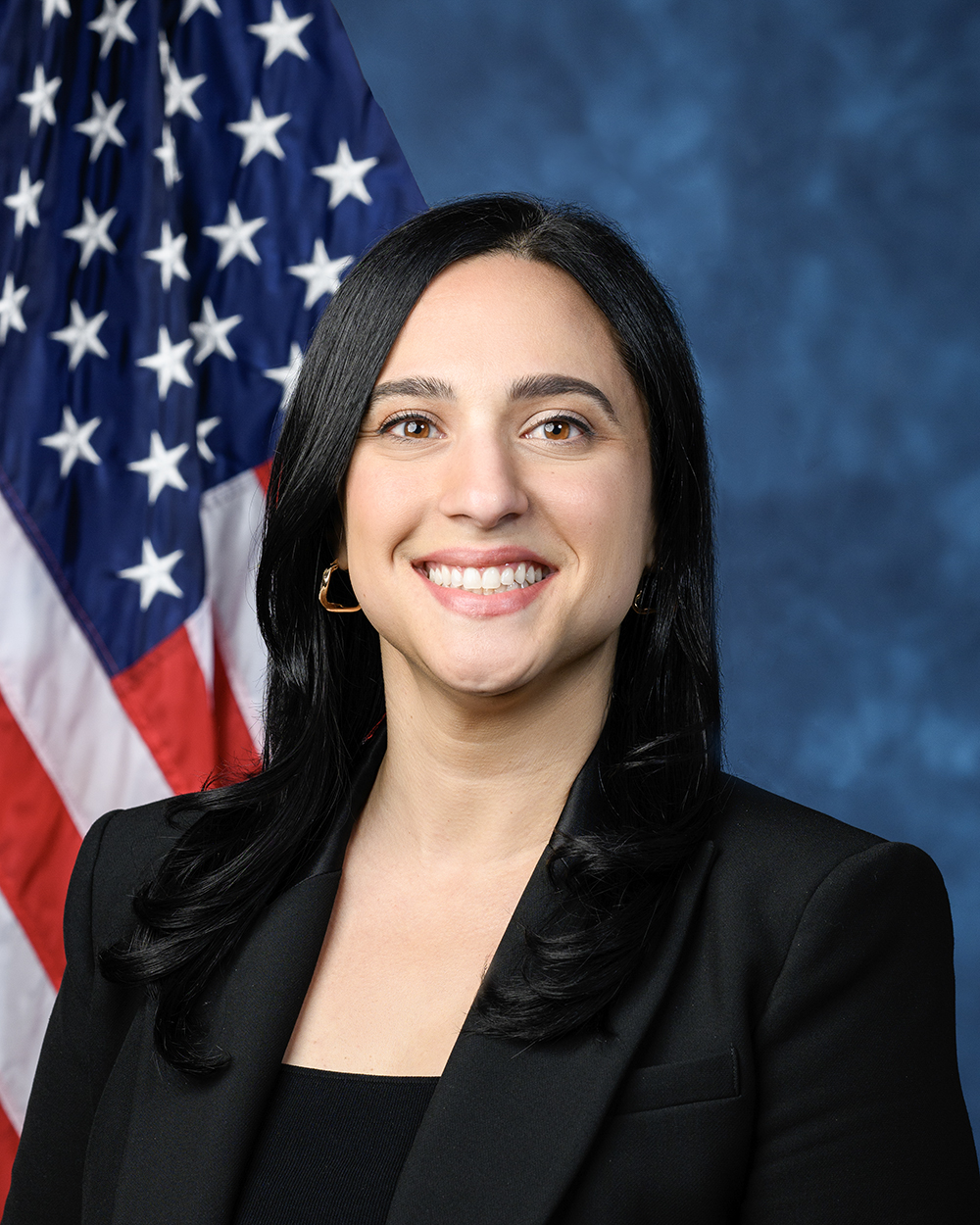
Reps. Massie and Boebert Introduce the "Surveillance Accountability Act" to Require Warrants for Government-Initiated Searches
For Immediate Release Contact: massie.press@mail.house.gov Contact #: 202-225-3465 Washington, D.C.- Today, Representatives Thomas Massie (R-KY) and Lauren Boebert (R-CO) introduced H.R. 8470, the Surveillance Accountability Act (SAA). The legislation requires government-initiated searches be conducted with a warrant based on probable cause as required by the Fourth Amendment to the United States Constitution. In addition, the legislation creates a private cause of action that allows individuals whose Fourth Amendment protections are violated by government employees to sue for damages. Rep. Boebert is the co-lead of the legislation. “The Bill of Rights is not a suggestion, and Fourth Amendment protections against warrantless searches conducted by the government are not optional,” said Rep. Thomas Massie . “The Surveillance Accountability Act requires government employees to first obtain a warrant based on probable cause before searching Americans’ personal information—even if the information sought is stored on a phone, in the cloud, or held by a third party. Warrantless searches are unconstitutional, and this does not change when the data the government seeks is in digital formats or held by a third party." “Our bill forces the government to obey the Fourth Amendment in the digital age," said Rep. Lauren Boebert. "No more warrantless searches of your phone, cloud data, bank records, or internet history. No more hiding behind the 'third-party doctrine.' No more creepy warrantless facial recognition or tracking. If feds violate your rights? You can sue them for damages. The Bill of Rights isn’t a suggestion—it’s the law. Time to make Big Brother get a warrant.” The Surveillance Accountability Act imposes a universal warrant requirement for any government search that significantly intrudes on an individual’s privacy or security and closes the “third-party doctrine” loophole by requiring warrants for access to data held by internet service providers, banks, cloud services, and data brokers. The bill defines “search” for the modern, digital era to include metadata collection, geolocation tracking, financial records, and internet activity. It also prohibits the warrantless use of facial recognition, biometric tracking, and license plate reader systems tied to individuals, while preserving traditional and limited exceptions such as consent, exigent circumstances, plain view, identity verification, and other ordinary policing authorities. The SAA also creates a statutory cause of action that allows individuals to sue federal employees who violate their Fourth Amendment privacy protections for damages. This provision ensures that federal employees who violate a person's rights can be held accountable for unlawful surveillance. The text of the Surveillance Accountability Act is available at this link . ###
04359f9c-2ee9-41d3-8843-54299bb68d8dIssued within 24 hours
Other senators' releases published in the day before or after this one.