Blumenthal Urges Passage of Student Athlete Fairness & Enforcement (SAFE) Act
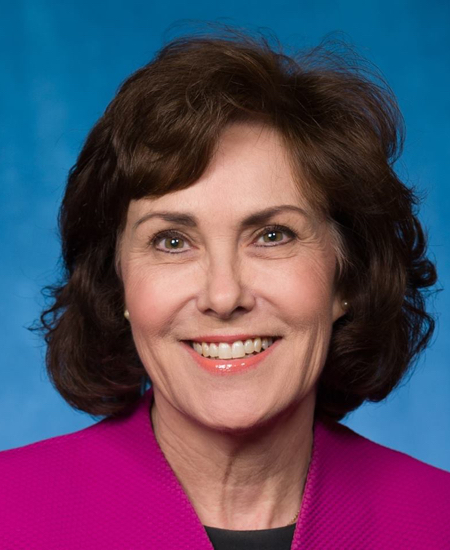
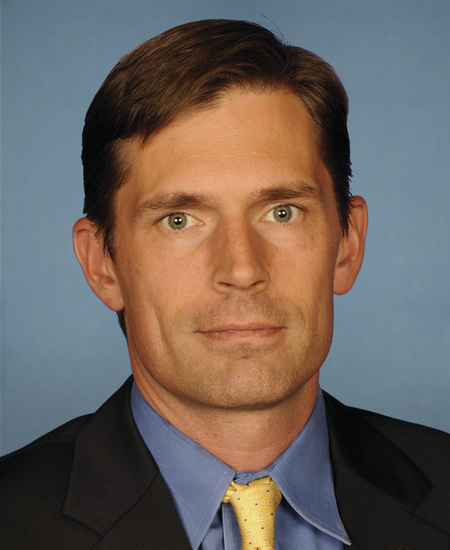
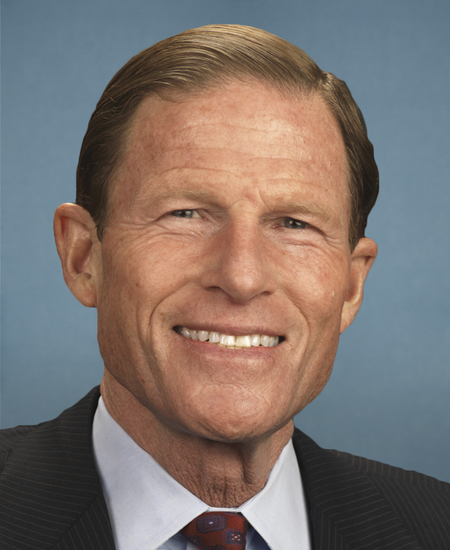
[Hartford, CT] — U.S. Senator Richard Blumenthal (D-CT) today urged Congress to pass hisStudent Athlete Fairness and Enforcement(SAFE)Act, legislation to codify athletes’ rights and protections in law, expand revenue for all schools, support women’s and Olympic sports and bring much-needed stability to the college sports system. The bill was introduced in September and is led by Blumenthal, U.S Senator Maria Cantwell (D-WA), and U.S. Senator Cory Booker (D-NJ).
The Act, for the first time, gives all athletes Name, Image and Likeness (NIL) rights, establishes uniform health and safety standards, protects scholarships and requires agents to register with a state and abide by clear contract requirements, including a 5 percent cap on fees. The bill provides new opportunities for schools to increase revenues for all sports by amending the Sports Broadcasting Act, and ensures all schools, not just the biggest and the richest, benefit from those increased resources. The legislation stops collectives from engaging in pay for play by requiring that any payments to students are for legitimate use of their NIL. For the millions of fans who care deeply about their college sports teams, the Act requires football and basketball games to be made available for free in schools’ local media market and tackles transfer portal concerns.
“TheStudent Athlete Fairness and Enforcement Act (SAFE Act)provides clear and enforceable rights and protections to college athletes,”said Blumenthal.“For far too long, college athletes had their basic economic rights denied while the NCAA failed to protect their health, safety, and academic success. Our measure centers athletes’ rights and wellbeing with real reforms while bringing schools the clarity they need and promoting women’s and Olympic sports.”
“This legislation is a path through the new world of NIL,”said Cantwell.“This bill will protect athlete rights, preserve women’s and Olympic sports, and help smaller schools compete. It is a fair shake for everyone, instead of the biggest, richest schools.”
“TheSAFE Actempowers athletes and strengthens protections for their health, safety, and education,”said Booker.“In stark contrast to harmful legislation being considered in the House, our bill preserves athletes’ rights to advocate for themselves and ensures meaningful avenues for accountability. Playing college football was one of the great gifts of my life—and it instilled in me a lasting conviction to fight for justice and fairness for athletes today and into the future.”
Over the past 5 years, college athletics has changed significantly after many states passed laws to allow athletes to earn compensation from their NIL, creating a patchwork of rules that upended how schools recruit, train, and retain athletes. The college sports landscape was further changed by the unanimous Supreme Court decision inAlston vs. NCAAin 2021 that paved the way for NIL and the recentGrant House vs. NCAAsettlement that allows schools to directly compensate athletes, up to 22 percent of athletics revenue.
These are some of the changes that have fostered the current “wild west” environment and a financial model that is unsustainable for small- to mid-sized schools. For example, in 2023, the average athletic department in the Football Bowl Subdivision (FBS) earned $79 million in revenues and spent $98 million. This legislation addresses revenue challenges facing schools today while at the same time protecting student athletes and non-revenue sports.
TheStudent Athlete Fairness and Enforcement ActKey Provisions:
The full text of the bill is availablehere.
-30-
71f2c2ba-b058-4bab-b20d-7d3dce8a70ebIssued within 24 hours
Other senators' releases published in the day before or after this one.