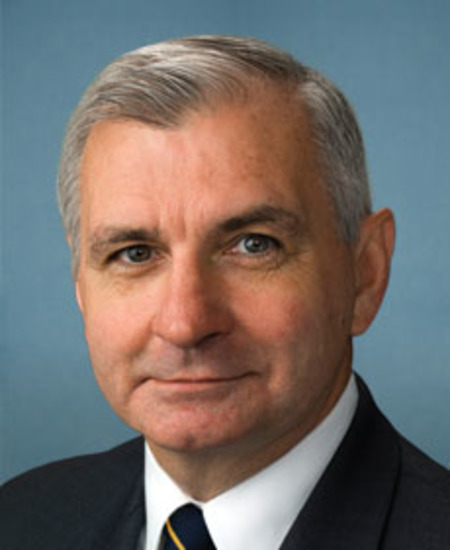
Reed Highlights How Trump’s Reckless Trade Wars & War in Iran Raises Costs for All RIers
WASHINGTON, DC -- With no clear plan, objective, or exit strategy, President Donald Trump chose to initiate two costly, destabilizing international conflicts: a global trade war and a military operation against Iran. In both cases, Trump turned his back on America’s allies and forced American consumers and businesses to bear higher costs and heavier financial burdens while costing the U.S. millions of jobs and lost opportunity. U.S. Senator Jack Reed has repeatedly voted against Trump’s reckless trade war and war with Iran. Senator Reed is working to end these gambits, strengthen America, lower costs, and create an orderly process to reimburse Americans who have been unfairly forced to pay elevated costs due to President Trump reckless policies. Reed says responsibly ending both Trump’s trade war and war with Iran is critical for America’s national security and economic future. He warns that Congressional Republicans’ efforts to shield the Trump Administration from accountability is potentially exposing Americans to stagflation and could cause a recession if President Trump doesn’t change course. President Trump’s war of choice with Iran is driving severe price spikes for things like oil, fertilizer, jet fuel, and the price of other everyday goods. Indeed, high gas prices squeeze more than motorists -- entire industries are threatened and American consumers are being squeezed from all sides as they are also forced to contend with Trump’s tariffs, which are serving as a back-door tax on American consumers and businesses. Moreover, new fees – like airlines suddenly charging more for bags -- are unlikely to dissipate as soon as the war ends, according to economists. Since the beginning of the Iran war, crude oil prices spiked. They have risen from about $65 per barrel to above $100 per barrel and dipped below that level in recent days while continuing to experience significant volatility. As a result of the upward pressure, the national average gasoline price across the U.S. surged from $2.94 the week before the war to $4.08 today, according to AAA . “Rhode Islanders are feeling the strain from Trump’s irresponsible policies which have increased costs and weakened the job market. This Administration has imposed steep tariffs on American consumers and small businesses that were already feeling pinched. The nonpartisan Tax Foundation estimates President Trump’s tariffs imposed a new $1,000 tax on the average American household . And Trump’s war caused fuel prices to surge. The longer these elevated prices -- caused directly by Trump’s chaos -- hang around, the deeper it cuts into people’s wallets and the profit margins of local businesses. Additionally, the instability and economic uncertainty caused by the Trump Administration makes it harder for businesses and families to accurately budget. Instead of subjecting everyone to the whims of President Trump, I am urging Republicans to join Democrats to lower prices and end the war,” said Senator Reed. In addition to the price of oil, approximately one-third of the world’s supply of fertilizer moves through the Strait of Hormuz. Fertilizer is one of the largest operating costs for farmers and has become unaffordable for family farmers, according to the Farm Bureau . The prolonged closure of the Strait of Hormuz is raising concerns about the cost of fuel for farmers as well as fertilizer shortages and agricultural price increases as the spring planting season gets underway in many countries, including the U.S. In addition to farmers, fishermen are also reeling from higher diesel fuel prices. The cost of dockside diesel in Rhode Island has surged fifty percent since the war began, to about $5.60 a gallon today. If fishermen are forced to keep their boats docked because fuel is too expensive, it can lead to lost wages for fishermen, lost marine supply jobs, as well as financial losses for truck drivers, restaurants, and grocery stores that sell their catch. That would be a real blow to Rhode Island’s economy. According to the Rhode Island Food Policy Council, the Ocean State’s commercial fishing industry hauls in about $100 million of seafood annually. CNBC reports: Why BLTs and salad just got more expensive — tariffs, war send tomato prices soaring . The article notes: “Prices for fresh tomatoes hit an eight-year high in March, according to the U.S. Bureau of Labor Statistics. Prices rose about 15% in March alone.” And it is not just food, Iran has lashed out and attacked Qatar’s energy infrastructure, disrupting nearly a one-third of the global helium supply. Helium is used in a lot more than party balloons: It is a critical input for chipmaking, rockets, medical imaging, semiconductor manufacturing, welding, and more. The price of helium has nearly doubled since the war. While helium supplies have not run out, the longer the war lasts, the higher helium prices are likely to rise. President Trump’s war with Iran pushed overall inflation to a nearly two year high in March , worsening affordability and further straining household budgets. “Because of Trump’s policies, Americans have already been forced to cut back. The longer Trump’s tariffs and war drag on, the more money it costs families. The Administration is already telegraphing it wants to cut things like child care, senior care, education, and more. That’s even more pain on top of Trump’s massive $1 trillion cuts to Medicaid and ACA plans,” noted Reed. Looking to lower prices for families and businesses, strengthen America’s economy, and recover some of Big Oil’s excessive, war-fueled gains and refund Americans who were forced to pay Trump’s unlawful Tariff Taxes, Senator Reed has offered concrete legislation to swiftly return money to hardworking Americans in a speedy and orderly fashion. Senator Reed has cosponsored two key bills that could return hundreds or thousands of dollars to Americans who have been unfairly forced to bear the burden of Trump’s tariffs and oil price shocks: the Tariff Refunds for Working Families Act ( S.4093 ) and the Big Oil Windfall Profits Tax Act ( S. 4111 ). “Donald Trump’s fiscally irresponsible policies and pro-war agenda are battering American families’ finances. From diapers to drug prescriptions and from gas to groceries, Donald Trump is making household staples more expensive. We can’t let the Trump Administration and Big Oil take away people’s ability to save for their future. These two bill would redirect some of the money consumers have lost during Trump’s reckless trade war and war with Iran back into the pockets of hardworking Americans,” said Reed. Led by U.S. Senator Martin Heinrich (D-NM), the Tariff Refunds for Working Families Act would create a tax rebate program for individuals and families who have paid increased prices for groceries and everyday essentials due to President Trump’s unlawful foreign tariffs. The bill would provide direct rebates of $1,200 to American families who make $180,000 or less and $600 to individuals who make $90,000 or less. It would also provide an additional $600 for each dependent child. As American drivers pay more for gas and oil profits climb due to the war, Senator Reed has also teamed up with U.S. Senator Sheldon Whitehoue (D-RI), who leads the Environment and Public Works (EPW) Committee, on the Big Oil Windfall Profits Tax Act . This bill would impose an excise tax on the windfall profits of major oil companies that produce or import 300,000+ barrels per day, and return some of the industry's excessive gains to consumers in the form of a quarterly rebate. According to a report by The Guardian: “The world’s top 100 oil and gas companies banked more than $30m every hour in unearned profit in the first month” since President Trump launched his war of choice with Iran without Congressional approval.
72ca9295-aa4c-4ce1-b2e5-9b024e92c661Edit history (1 prior version)
This release was edited after publication. Earlier captures are preserved below.
- Captured May 2, 2026, 10:06 AM EDT
Show prior body text
WASHINGTON, DC --With no clear plan, objective, or exit strategy, President Donald Trump chose to initiate two costly, destabilizing international conflicts: a global trade war and a military operation against Iran. In both cases, Trump turned his back on America’s allies and forced American consumers and businesses to bear higher costs and heavier financial burdens while costing the U.S. millions of jobs and lost opportunity. U.S. Senator Jack Reed has repeatedly voted against Trump’s reckless trade war and war with Iran. Senator Reed is working to end these gambits, strengthen America, lower costs, and create an orderly process to reimburse Americans who have been unfairly forced to pay elevated costs due to President Trump reckless policies. Reed says responsibly ending both Trump’s trade war and war with Iran is critical for America’s national security and economic future. He warns that Congressional Republicans’ efforts to shield the Trump Administration from accountability is potentially exposing Americans to stagflation and could cause a recession if President Trump doesn’t change course. President Trump’s war of choice with Iran is driving severe price spikes for things like oil, fertilizer, jet fuel, and the price of other everyday goods. Indeed, high gas prices squeeze more than motorists -- entire industries are threatened and American consumers are being squeezed from all sides as they are also forced to contend with Trump’s tariffs, which are serving as a back-door tax on American consumers and businesses. Moreover, new fees – like airlines suddenly charging more for bags -- are unlikely to dissipate as soon as the war ends, according to economists. Since the beginning of the Iran war, crude oil prices spiked. They have risen from about $65 per barrel to above $100 per barrel and dipped below that level in recent days while continuing to experience significant volatility. As a result of the upward pressure, the national average gasoline price across the U.S. surged from $2.94 the week before the war to $4.08 today,according to AAA. “Rhode Islanders are feeling the strain from Trump’s irresponsible policies which have increased costs and weakened the job market. This Administration has imposed steep tariffs on American consumers and small businesses that were already feeling pinched. Thenonpartisan Tax Foundation estimates President Trump’s tariffs imposed a new $1,000 tax on the average American household. And Trump’s war caused fuel prices to surge. The longer these elevated prices -- caused directly by Trump’s chaos -- hang around, the deeper it cuts into people’s wallets and the profit margins of local businesses. Additionally, the instability and economic uncertainty caused by the Trump Administration makes it harder for businesses and families to accurately budget. Instead of subjecting everyone to the whims of President Trump, I am urging Republicans to join Democrats to lower prices and end the war,” said Senator Reed. In addition to the price of oil, approximately one-third of the world’s supply of fertilizer moves through the Strait of Hormuz.Fertilizer is one of the largest operating costs for farmers and has become unaffordable for family farmers, according to the Farm Bureau. The prolonged closure of the Strait of Hormuz is raising concerns about the cost of fuel for farmers as well as fertilizer shortages and agricultural price increases as the spring planting season gets underway in many countries, including the U.S. In addition to farmers, fishermen are also reeling from higher diesel fuel prices. The cost of dockside diesel in Rhode Island has surged fifty percent since the war began, to about $5.60 a gallon today. If fishermen are forced to keep their boats docked because fuel is too expensive, it can lead to lost wages for fishermen, lost marine supply jobs, as well as financial losses for truck drivers, restaurants, and grocery stores that sell their catch. That would be a real blow to Rhode Island’s economy. According to the Rhode Island Food Policy Council, the Ocean State’s commercial fishing industry hauls in about $100 million of seafood annually. CNBC reports:Why BLTs and salad just got more expensive — tariffs, war send tomato prices soaring. The article notes:“Prices for fresh tomatoes hit an eight-year high in March, according to the U.S. Bureau of Labor Statistics. Prices rose about 15% in March alone.” And it is not just food, Iran has lashed out and attacked Qatar’s energy infrastructure, disrupting nearly a one-third of the global helium supply. Helium is used in a lot more than party balloons: It is a critical input for chipmaking, rockets, medical imaging, semiconductor manufacturing, welding, and more. The price of helium has nearly doubled since the war. While helium supplies have not run out, the longer the war lasts, the higher helium prices are likely to rise. President Trump’s war with Iranpushed overall inflation to a nearly two year high in March, worsening affordability and further straining household budgets. “Because of Trump’s policies, Americans have already been forced to cut back. The longer Trump’s tariffs and war drag on, the more money it costs families. The Administration is already telegraphing it wants to cut things like child care, senior care, education, and more. That’s even more pain on top of Trump’s massive $1 trillion cuts to Medicaid and ACA plans,” noted Reed. Looking to lower prices for families and businesses, strengthen America’s economy, and recover some of Big Oil’s excessive, war-fueled gains and refund Americans who were forced to pay Trump’s unlawful Tariff Taxes, Senator Reed has offered concrete legislation to swiftly return money to hardworking Americans in a speedy and orderly fashion. Senator Reed has cosponsored two key bills that could return hundreds or thousands of dollars to Americans who have been unfairly forced to bear the burden of Trump’s tariffs and oil price shocks: the Tariff Refunds for Working Families Act (S.4093) and the Big Oil Windfall Profits Tax Act (S. 4111). “Donald Trump’s fiscally irresponsible policies and pro-war agenda are battering American families’ finances. From diapers to drug prescriptions and from gas to groceries, Donald Trump is making household staples more expensive. We can’t let the Trump Administration and Big Oil take away people’s ability to save for their future. These two bill would redirect some of the money consumers have lost during Trump’s reckless trade war and war with Iran back into the pockets of hardworking Americans,” said Reed. Led by U.S. Senator Martin Heinrich (D-NM), theTariff Refunds for Working Families Actwould create a tax rebate program for individuals and families who have paid increased prices for groceries and everyday essentials due to President Trump’s unlawful foreign tariffs. The bill would provide direct rebates of $1,200 to American families who make $180,000 or less and $600 to individuals who make $90,000 or less. It would also provide an additional $600 for each dependent child. As American drivers pay more for gas and oil profits climb due to the war, Senator Reed has also teamed up with U.S. Senator Sheldon Whitehoue (D-RI), who leads the Environment and Public Works (EPW) Committee, on theBig Oil Windfall Profits Tax Act. This bill would impose an excise tax on the windfall profits of major oil companies that produce or import 300,000+ barrels per day, and return some of the industry's excessive gains to consumers in the form of a quarterly rebate. According to a report byThe Guardian:“The world’s top 100 oil and gas companies banked more than $30m every hour in unearned profit in the first month”since President Trump launched his war of choice with Iran without Congressional approval.
Issued within 24 hours
Other senators' releases published in the day before or after this one.