U.S. Army announces new requirements to enter military zone on New Mexico border
Outdoors enthusiasts who for months have avoided New Mexico’s southern borderland wilderness after swaths of it were designated military zones this spring now have a way to access the region again — but with some strings attached.
Fort Huachuca U.S. Army base in southeast Arizona opened a new permit process this week to allow hikers, like those on the Continental Divide National Scenic Trail, and hunters, like those in search of the elusive Montezuma quail, to once again visit the area, with the U.S. military’s permission and restrictions.
For legal clearance to enter New Mexico’s National Defense Area zones, applicants must complete a background check with Fort Huachuca.
On the base’sweb pageto apply to enter the zone, the agency notes requirements like submission of photos and the potential for background checks. It also lists disqualifiers, including a host of criminal offenses barring applicants and anyone convicted of any felony within the past 10 years. Anyone without U.S. citizenship is also excluded, including legal permanent residents and tourists visiting the U.S.
Applications, the website notes, can take 2-21 days to process. Successful applicants will be provided with a digital access badge from the military base once authorized. U.S. Army spokespeople at Fort Huachuca did not immediately respond to requests for comment.
The new permit process comes after months without clarity from federal officials regarding access to the areas, prompting confusion and concern among nature seekers that using the area could land them in violation of military law.
U.S. Rep. Gabe Vasquez, whose district encompasses the state’s 180 miles of southern border, challenged U.S. military officials for a lack of clarity on the issue in a June Committee on Armed Services hearing — including for a lack of information about consequences for citizens who cross into the military zones.
“I have a deer hunt this year in an area where I’m no longer able to hunt or enter. It’s become unclear where the boundaries of this military zone actually start and where they end,” he told officials. “When can Americans expect answers about whether they will be apprehended or arrested within these border zones?”
While the new guidance finally provides a pathway and legal clarity, groups and lawmakers who have fought for recreation to be restored in the newly militarized areas expressed disappointment at restrictions barring non-U.S. citizens and others from enjoying what were, until this spring, widely accessible federal public lands.
The Continental Divide National Scenic Trail is a major draw to the area. The trail spans more than 3,000 miles across five U.S. states, stretching from the Canadian to the Mexican border, and was designated as a National Scenic Trail by Congress in 1978. It is one third of the “triple crown” of National Scenic Trails, along with the Appalachian and Pacific Crest Trails.
The Continental Divide Trail’s final 1.1-mile section, and the terminus marker indicating its southernmost point near the U.S.-Mexico border, has been under U.S. Army control since April.
“There’s been a lot of disappointment, especially for people that are currently hiking,” said Danny Knoll, trail information and shuttle manager with the Continental Divide Coalition, a nonprofit that works with federal agencies to steward the trail.
It typically takes from five to seven months for hikers to complete the trail, according to Knoll’s group.
Though not all who walk the trail register with the coalition, Knoll said more than 700 hikers did so this year, with roughly 500 hikers indicating they planned to hike the entire length of the trail.
About 100 of those self-identified as internationals, he said, and are set to be impacted by the new rules barring those without U.S. citizenship from accessing the final mile of the trail.
“I think it really enhances and enriches the [trail] to have people from all over the world wanting to explore the divide,” Knoll said in a Thursday interview. “We’re certainly sympathetic to that, and we are looking into potential other things that we could potentially do to make it safe and accessible for everyone. But at this time ... we just found out about this.”
Knoll said his group was notified by the U.S. Army just a few weeks ago that they had nearly finalized the process to create permits, but prior to that, “we were never told what people could or could not do,” he said.
A news release the coalition issued in June noted that, months after a section of the trail was brought under U.S. Army jurisdiction, guidance on civilian access to the area “remains unclear.”
“?I think the Army was just working on how to allow people still to access the area,” Knoll said. “It seemed like they still wanted people to be able to recreate and hunt and and do various things in these areas — they just needed to develop some kind of process to allow that.”
He said the organization was in talks with the New Mexico State Land Office to detour the trail slightly to bypass military restrictions, but “we haven’t gotten enough definitive answers on that to confidently be able to direct hikers to do that option,” he said.
The Trump administration created the militarized zone April 21 through a Bureau of Land Management land transfer to the U.S. Army of 109,651 acres of New Mexico land for a three-year period. With that transfer came with the promise to heighten border security, particularly for porous sections of the southern border without a wall.
Additional border military zones were created in Texas and Arizona in the months that followed.
The new military zones came with new charges for immigrants crossing the border at those sections: military trespassing, a charge carrying with it an 18-month prison sentence for a first offense, on top of charges of illegal entry that can mean up to six months in custody.
But federal judges have been slow to accept the military trespassing charge, throwing out a majority of the thousands that have been levied by federal prosecutors, arguing the Department of Defense, which President Donald Trump last month moved to rename the Department of War, had not placed sufficient signage to inform border crossers they were entering military installations.
The lack of signs has been a point of concern for outdoors enthusiasts too.
Knoll said he assumed “maybe a few” hikers did complete the hike through the military zone despite the military designation, but he said he had no confirmed reports of hikers doing so.
But he noted, “If you go down there, it’s not like these [National Defense Areas] are fenced off or signed well. So someone could wander into these areas completely unknowing.”
Since the militarization of New Mexico’s border, the state’s Democratic congressional delegation has been vocal about the resulting recreational restrictions and uncertainty.
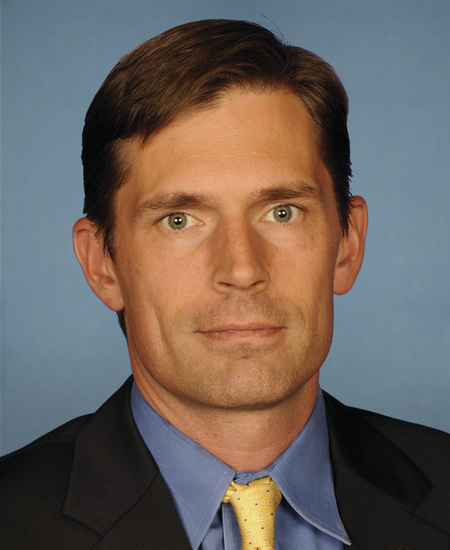
U.S. Sen. Martin Heinrich in alettersent to Defense Secretary Pete Hegseth in May asked if recreational uses like hiking, camping and off-road vehicle use were still allowed in the new military zones — and if hikers on the Continental Divide Trail could access the southern terminus on newly designated military land.
In a statement issued by Heinrich’s office this week, he blasted Monday’s announcement that the national trail could now be accessed with a permit, calling the establishment of the military zones a “land grab … just so Pete Hegseth could have glamour shots taken on the border.”
“The reality is that this Administration was so eager to score their photo op, they never even stopped to consider the impact to Americans who use these lands as a part of their way of life. Now, to make up for the ridiculousness of it, they want to require hikers to get a permit from a nearby Army base? This is ludicrous,” he said.
Heinrich, who has in past years co-sponsored bipartisan legislation to divert funding to bolster infrastructure on the Continental Divide Trail, added that its hikers “often spend weeks on this trail and our rural communities benefit from these hikers passing through.”
“Trump and Hegseth are hurting Americans who have enjoyed these previously public lands for hiking and hunting,” he said. “Offering permits doesn’t undo this Administration stealing our public lands — our hiking trails and hunting units — and turning them into a vacant ‘military base.’ This isn’t what freedom looks like.”
908fc60b-47a5-410b-92a7-dccf0922f1acIssued within 24 hours
Other senators' releases published in the day before or after this one.