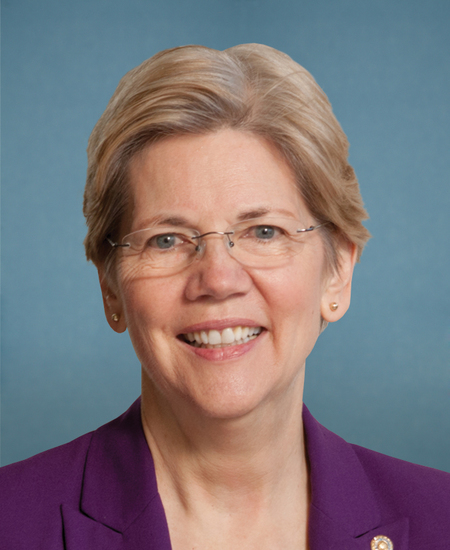
Warren Presses Amazon CEO on Shady Tactics Used to Overcharge School Districts, Local Governments, American Taxpayers
New investigation reveals Amazon Business charging some consumers up to three times as much for identical products
Amazon uses opaque pricing algorithms, dynamic pricing, misleading contracts
Text of Letter (PDF)
Washington, D.C. —U.S. Senator Elizabeth Warren (D-Mass.) wrote to Amazon CEO Andy Jassy with concerns over the company’s use of opaque algorithms and misleading contracts to overcharge schools, local governments, and taxpayers for essential goods. A recent analysis by the Institute for Local Self-Reliance (ILSR) revealed that Amazon Business, the company’s marketplace for sales to businesses and the public sector, has been sidestepping traditional procurement processes, in cahoots with private equity firm OMNIA Partners.“The net result…is to drive up costs for local schools, local governments, and taxpayers – while strengthening Amazon’s grip on the public procurement market and running local businesses into the ground,”wrote Senator Warren.“Small and mid-sized businesses that supply schools, cities, and other public institutions are disappearing, taking with them local jobs and tax revenue.”A December report found that schools and local governments that procure supplies from Amazon are “routinely paying more than they should” for essential goods. While the traditional procurement process relies on competitive bidding, Amazon’s group purchasing contracts sidestep this process, and often overcharge government buyers. Amazon has won multiple group purchasing contracts from OMNIA Partners, a large private-equity-backed company.“Because OMNIA takes a cut of every group purchasing contract, both OMNIA and Amazon have an incentive to exploit their market power to overcharge public-sector buyers,”wrote Senator Warren.Amazon markets these contracts as competitively bid agreements and consistently boasts that its platform helps buyers to save money and strengthen local business in the process. But in reality, these contract proposals are not competitive and are structured so that only Amazon can meet the criteria. And after “winning” these contracts, Amazon routinely overcharges government buyers.Amazon Business's ability to overcharge buyers is largely facilitated by its algorithm-driven pricing, which forces school districts and local governments to pay ever-changing, often inflated costs. For example, one city purchased a 12-pack of Sharpie markers for $8.99 while a nearby school district purchased the same product for $28.63 — three times as much.Amazon also appears to be using its market dominance and its pricing algorithms to inflate prices across the Internet. An antitrust complaint brought by the FTC and 17 states alleges that Amazon constantly crawls the web and automatically responds to prices set by both third-party sellers on Amazon and competing online retailers. As the report notes, a dominant firm with a superior algorithm can “instantly undercut any discount offered by a competitor, teaching rivals that lowering prices won’t win them more market share” and pushing up prices for consumers overall.Amazon’s growing dominance over the public procurement market is also undermining local businesses that have traditionally supplied school districts and local governments. ILSR found that “Amazon is driving out independent suppliers that offer lower prices and better services,” thereby “draining local economies” of jobs and tax revenue and “stifling competition.”Senator Warren asked Mr. Jassy to provide detailed explanations regarding Amazon’s pricing strategies and algorithms, its procurement contracts, and its impact on local small businesses by no later than March 25, 2026.
###
b8039bf3-c339-4766-90b2-2d5df4762555Issued within 24 hours
Other senators' releases published in the day before or after this one.