Durbin Introduces Legislation To Stymie Plastic Pollution In Waterways
WASHINGTON – U.S. Senate Democratic Whip Dick Durbin (D-IL) today introduced thePlastic Pellet Free Waters Act, which would require the U.S. Environmental Protection Administration (EPA) to prohibit the discharge of plastic pellets and other pre-production plastic into waterways from facilities and sources that make, use, package, or transport pellets. The pellets are being consumed by fish and marine life—and in turn, humans—and create additional damage to ecosystems.
“Because only nine percent of all plastics end up being recycled, most plastic waste ends up in landfills, incinerated, or worse—finding its way into our rivers, lakes, and oceans,”Durbin said.“ThePlastic Pellet Free Waters Actwould begin to address the plastic problem that is plaguing our nation’s waterways and wildlife.”
“Oceana thanks Senator Dick Durbin for tackling plastic pollution by reintroducing thePlastic Pellet Free Waters Act,”said Christy Leavitt, Senior Campaign Director at Oceana.“Plastic pellets are small, yet their impact is vast and destructive because they easily spill into our oceans, lakes, and rivers and are difficult to clean up. Plastic pellets are worsening the plastic pollution crisis, and Congress must pass this essential bill to safeguard our coasts and communities.”
“Our fish and wildlife – from the smallest shrimp to the largest whales – are choking on plastic. Plastic pellets, used to manufacture common products, are a big part of the problem. Sen. Durbin’sPlastic Pellet Free Waters Actwould save wildlife and our waterways by stopping companies from dumping and spilling plastic pellets. Environment America urges Congress to pass this bill immediately,”said Lisa Frank, Executive Director of Environment America.
“From the Great Lakes to the mighty Mississippi, our waters support healthy wildlife and communities. But with an estimated 22 million pounds of plastic entering the Great Lakes every year, plastic waste is polluting our waterways at an alarming rate. Spilling and dumping plastic pellets during the manufacturing process is an unnecessary source of waste. We applaud Illinois Sen. Durbin’sPlastic Pellet Free Waters Actfor working to address this often unseen, but harmful pollution from plastic pellets and urge Congress to pass this bill quickly,”said Emily Kowalski, Associate Director of Environment Illinois.
“Plastic pollution is all too common in Illinois and beyond. Last spring, volunteers participating in the International Plastic Pellet Count found these microplastics on the Wild Mile, at Lake Michigan’s Clark Street Beach and near Shedd Aquarium. Globally, participants found nearly 50,000 plastic pellets. Shockingly, that’s still only a tiny fraction of the trillions of pellets polluting our environment and potentially harming our health. Thank you to Sen. Durbin for introducing thePlastic Pellet Free Waters Actto halt the flow of microplastic into our waterways,”said Grace Vickers, Beyond Plastic Associate at PIRG.
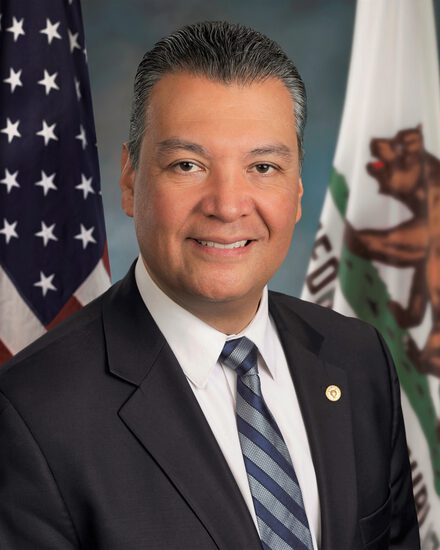
U.S. Senators Jeff Merkley (D-OR), Richard Blumenthal (D-CT), Chris Van Hollen (D-MD), Cory Booker (D-NJ), Alex Padilla (D-CA), Jeanne Shaheen (D-NH), Ed Markey (D-MA), Tammy Duckworth (D-IL), and Chris Murphy (D-CT) are cosponsors of the legislation.
U.S. Representative Mike Levin (D-CA-49) introduced companion legislation in the U.S. House of Representatives.
The bill has been endorsed by Oceana, Environment America, Environment Illinois, and PIRG.
Plastic pellets, or nurdles, are the pre-production building blocks of nearly all plastic goods. Due to the low cost of producing these pellets, they are often washed down drains or dumped if they come in contact with other materials like dust and dirt. They are also often spilled both in the shipping and production process—eventually finding their way into our waterways, including the Great Lakes.
Each year, it is estimated plastic pellet pollution contributes significantly to the 22 million tons of plastic that end up in the Great Lakes. The shorelines of the Great Lakes are littered with plastic pellets, with a majority of beaches on all five Great Lakes recording significant pollution levels of these pellets (19.1 pellets per m2). These pellets not only are showing up on beaches, but are building up on the bottom of the lakes and are being consumed by fish and marine life, ultimately ending up in our food and consumer products. Plastic pollution has become so prevalent that researchers estimate 86 percent of the pollution on Great Lakes beaches are partially or entirely made up of plastic.
Approximately 250,000 tons of plastic pellets end up in the oceans annually. The Great Lakes, particularly Lake Superior and Lake Michigan, contain some of the highest levels of microplastics nationwide compared with other water sources.
-30-
cd0bd929-bd2f-47e1-b010-51f208bc7429Issued within 24 hours
Other senators' releases published in the day before or after this one.