Health Care Would Change for Over 300,000 Kids Under New Bill
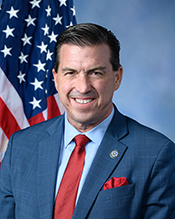
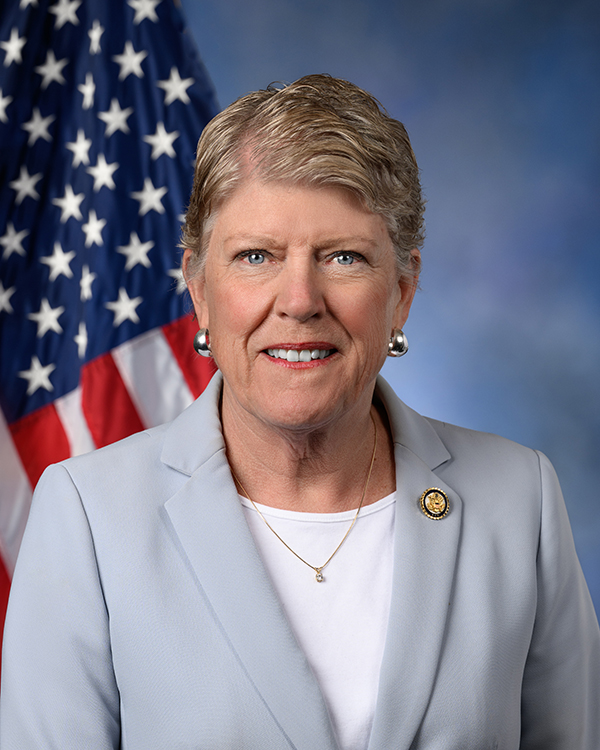
Home > In The News > Health Care Would Change for Over 300,000 Kids Under New Bill Health Care Would Change for Over 300,000 Kids Under New Bill April 6, 2026 Jenni Fink | Newsweek A bipartisan bill introduced in Congress aims to close a long‑standing Medicaid loophole that child welfare advocates say has disrupted mental health care for some of the most vulnerable children in the foster care system. There are over 300,000 children in America’s foster care system, and many of them have experienced abuse or other trauma that makes mental health care critical for their well-being. But, under current law, Medicaid can deny coverage if they go to a specific facility just because the facility serves more than 16 people. A bipartisan bill would ensure that children in foster care do not lose Medicaid coverage when they are placed in certain residential mental health treatment settings that, under current classifications, would not be covered. Introduced by Representative Gus Bilirakis, a Republican from Florida, and Representative Julia Brownley, a Democrat from California, the bill would close a loophole that’s harming some of America’s most vulnerable children, the legislators say. “No child should lose access to critical mental health care because of a bureaucratic definition,” Biliarkis said in a statement. “Most children who enter the foster care system have already experienced unimaginable trauma. The last thing we should do is put up barriers to the care that can help them heal. This legislation ensures continuity of care in the settings best equipped to meet their needs. I am proud to work in a bipartisan manner to fix this unintended roadblock and ensure these children receive the support and services they deserve.” The proposed legislation, the Ensuring Medicaid Continuity for Children in Foster Care Act of 2026, would amend Title XIX of the Social Security Act to ensure that children in foster care remain eligible for Medicaid when they are placed in Qualified Residential Treatment Programs, or QRTPs. Under current federal policy, some QRTPs have been classified by the Centers for Medicare & Medicaid Services (CMS) as Institutions for Mental Disease (IMDs) because they serve more than 16 residents. That classification can trigger a prohibition on Medicaid funding, even for children who otherwise qualify. When that happens, states can lose federal Medicaid reimbursement, and foster youth risk losing access to therapy, psychiatric care, and medication management during residential treatment. The Bilirakis‑Brownley bill would prevent QRTPs from being treated as IMDs, provided they meet the rigorous federal standards established under child welfare law, ensuring that Medicaid coverage remains uninterrupted. “Children in foster care deserve stability and consistent access to the mental and behavioral health services that support their well-being,” Brownley said in a statement. “Yet because of how certain programs are classified, children placed in clinically appropriate settings can lose access to Medicaid coverage for the very care they rely on. That is a failure of our system. This legislation fixes that gap, strengthens continuity of care, and ensures foster youth can access the services they need without disruption. We have a responsibility to ensure no child’s health, stability, or future is put at risk by outdated policy, and to make sure every child has the support they need to thrive.” QRTPs were created under the Family First Prevention Services Act (FFPSA), a sweeping child welfare reform signed into law in 2018. The law was designed to shift federal funding away from long‑term institutional placements and toward family‑based care, prevention services, and time‑limited, clinically appropriate residential treatment when necessary. The Family First law significantly narrowed the circumstances under which states can place children in congregate care settings, such as group homes. QRTPs are one of the limited exceptions. To qualify, facilities must use trauma‑informed treatment models, employ licensed clinical staff, meet accreditation requirements, and ensure placements are regularly reviewed and justified based on a child’s clinical needs. The intent was to eliminate low‑quality group care while preserving access to high‑quality residential treatment for children with the most complex mental health needs. But advocates and lawmakers say Medicaid policy has lagged behind those reforms, creating conflicts between child welfare requirements and health care financing rules. At the center of the issue is the IMD exclusion, a decades‑old Medicaid rule that generally bars federal Medicaid payments for care provided in large psychiatric facilities. While originally intended to prevent states from shifting the cost of institutional psychiatric care onto Medicaid, the rule was never designed around the foster care system or modern trauma‑informed treatment models. Some QRTPs have been swept into the IMD category simply because of their size, even though they are federally authorized foster care placements under Family First. When that happens, Medicaid funding can be cut off at the very moment children are entering intensive treatment. Foster youth experience mental health challenges at far higher rates than other children. According to the National Conference of State Legislatures, up to 80 percent of children in foster care have significant mental health issues, compared with roughly 18 to 22 percent of children in the general population. Children may enter foster care after experiencing abuse, neglect, parental substance use, or severe family instability, often alongside repeated disruptions in housing, caregivers, schools, and health care. NCSL identifies mental and behavioral health as the greatest unmet health need for children and teens in foster care. Foster care alumni experience post‑traumatic stress disorder (PTSD) at nearly five times the rate of the general adult population, as well as elevated rates of depression, anxiety disorders, and substance use disorders. Given that most foster children rely on Medicaid for health coverage, any gap in eligibility can create immediate barriers to care — particularly for intensive services that are already in short supply. Mental health experts consistently emphasize that stability in placement, caregivers, and treatment is critical for children recovering from trauma. Disruptions in therapy or medication can undermine treatment progress and increase the risk of hospitalization, emergency interventions, or worsening symptoms. The American Psychological Association has highlighted the importance of sustained, trauma‑informed mental health care for children in foster care, noting that consistent access to services can improve long‑term outcomes for children who have experienced adversity and loss. Bilirakis and Brownley championed their bill as a targeted solution to a problem that “preserves accountability” while also ensuring children can receive care when they need it, at the facility where they need it. Introduced at the end of March, the bill is waiting for a vote in the House Committee on Energy and Commerce. Bilirakis is a member of the committee, and the bill is bipartisan, so there’s a better chance it will pass the committee and move forward. This story was originally published by Newsweek on April 6, 2026. Issues: 119th Congress , Healthcare Back to News Facebook Bluesky Mail
d40cd181-0ae4-4ac4-99e7-7c76c40eac06Issued within 24 hours
Other senators' releases published in the day before or after this one.