Booker Reintroduces Legislation to Restrict Purchases of Farmland by Corporate Investors
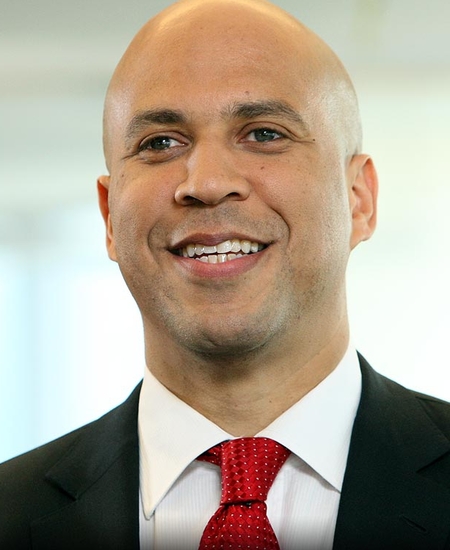
WASHINGTON, D.C. — U.S. Senator Cory Booker (D-NJ), a member of the Senate Agriculture Committee, is working to end the Wall Street buy-up of farmland across the nation. Today, Booker reintroduced the Farmland for Farmers Act , legislation that would limit corporate ownership of farmland in the United States. If passed, this legislation would ensure that farmland is in the hands of working farmers. Farmland ownership has long been a foundation of economic stability in rural America, but increasing purchases of agricultural land by corporate investors have contributed to financial pressure on family farmers and economic decline in rural communities. Institutional investment in farmland has grown significantly over the past two decades, rising from under $2 billion in 2005 to more than $16 billion in 2025. U.S. Representative Jill N. Tokuda (HI-02) has introduced companion legislation in the House of Representatives. "It is fundamentally unacceptable that Wall Street investors and hedge funds are buying up millions of acres of American soil, treating our farmland like just another tradable asset in a corporate portfolio,” said Senator Booker. “This rampant speculation is driving land prices sky-high and making it nearly impossible for a new generation who want to start farming to access the land they need. When corporations treat agriculture as a line item to boost their profit margins, they hollow out the rural communities that rely on family farms to survive and thrive. Our farmland is not a commodity for Wall Street to exploit; it is the heritage and lifeblood of rural America. By reintroducing the Farmland for Farmers Act , we are working to stop this corporate land grab and ensure that the future of our food system belongs to the people who actually work the land." "For generations, our farmers and ranchers have served as the backbone of Hawai?i’s economy, but today they are being pushed to the breaking point. We are seeing a dangerous trend where agricultural land is auctioned off as a corporate investment, directly threatening food security and pricing the next generation of farmers out of their own communities,” said Representative Tokuda. “I have heard firsthand from producers who are being outbid for the very soil that has yielded staple crops for decades. The Farmland for Farmers Act draws a line in the sand and seeks to stop this corporate land grab in its tracks." "Farmers — especially farmers of color and young and beginning farmers — across the US have seen a crisis involving institutional and corporate buyouts, exacerbating unfair land access and prices," said Tiffany Bellfield El-Amin, Board Co-President of the National Family Farm Coalition and Executive Director of Kentucky Black Farmers Association. "They prey on struggling farmers and their communities to exploit the land for uses that neither serve nor feed the community, nor employ its residents. Resources are limited and often gatekept due to these corporate buyouts -- we must prevent institutional buyers from using resources that farmers rely on for their livelihoods. The Farmland for Farmers Act does more than protect access to farmland; it protects land prices and sustainability which farmers need to continue feeding our families and communities." "Northeast Organic Farming Association of New Jersey (NOFA NJ) applauds and supports Senator Booker's Farmland for Farmers Act of 2026 ,” said Cali Alexander, NOFA NJ Board of Directors Policy Chair. “We believe the Act will give further legal basis and footing to update and strengthen existing state laws restricting corporate and foreign ownership of farmland, and encourage more states to adopt such laws. Protecting community family farm ownership of farmland is paramount for all the diverse types of next generation farmers whether from an existing family farm or a new farmer setting out on their own quest." “American farmland needs to stay in the hands of family farmers,” said Darin Von Ruden, Wisconsin Farmers Union President. “We support the Farmland for Farmers Act because it includes limitations on corporate farmland investment and it ensures land access transparency for local communities.” “Hawai?i Farmers Union supports the Farmland for Farmers Act because agricultural land should remain in the hands of farmers, not speculative corporate interests,” said Kirsten Ham, Chief Operating Officer of the Hawai?i Farmers Union. “This bill helps protect local food production, strengthen family farms, and support the long-term future of agriculture in Hawai?i and across the country.” “The United States is in the midst of a historic transition of agricultural land—nearly half of farmland will change hands over the next two decades. At the same time, land access is the number one challenge the next generation of farmers face. Speculative investment in land is directly and negatively impacting the ability of young and Black, Indigenous, and other people of color (BIPOC) farmers to compete in agricultural real estate markets to gain the security and tenure they need," said Vanessa Garcia Polanco, Policy and Campaigns Director with the National Young Farmers Coalition. "The Farmland for Farmers Act is a thoughtful and imperative policy response to this trend. At Young Farmers, we are committed to ensuring a just agricultural future for a new generation of working farmers. We believe that public policy has shaped land use and our food system and policies like this one are part of the necessary, thought-out change required to tackle these challenges." The Farmland for Farmers Act would address several issues within the agriculture sector: Protecting Rural Communities: With over 400 million acres of U.S. farmland projected to change hands in the next decade, the bill would take a stand against corporate consolidation that threatens rural communities' autonomy. If farmland continues to fall under corporate control, it could shut down thousands of family farms and small businesses, eliminate opportunities to live in rural communities, and erode essential public and social infrastructure such as schools and hospitals. Curbing Speculative Investments: The bill would prevent corporations and hedge funds from treating farmland as a speculative investment to mitigate market volatility. Rising farmland prices have created challenges for small and beginning farmers to access land, leading to the unfair advantage of corporate interests over independent family farmers. Bringing Transparency in Land Ownership: Corporations use multi-level subsidiary structures to conceal their investments in farmland. The legislation would bring transparency to land ownership. Strengthening Federal Land Policies: The bill would address the lack of existing federal oversight, as Wall Street investment in farmland soars and the market becomes more nationalized. Through meaningful reforms, the bill would tackle concerns related to national security, economic competition, domestic food security, and the vitality of farm communities. Ensuring Fair Allocation of Farm Programs: Federal agricultural programs are a vital safety net for farmers, but today are being misused by corporate investors to reduce the risk of owning American farmland. The bill would ensure that public farm programs can no longer be utilized by corporate investors, and instead prioritize independent farmers. The legislation is cosponsored in the Senate by U.S. Senator Bernie Sanders (I-VT). The legislation is endorsed by the following organizations: Action Aid USA, Addison County Relocalization Network (ACORN), Agrarian Trust, Agricultural Justice Project, Agroecology Research-Action Collective, American Federation of Government Employees, Local 3354, American Grassfed Association, American Raw Milk Producers Pricing Association, American Sustainable Business Network, Ashtabula, Geauga, Lake Counties Farmers Union (Ohio), Campaign for Family Farms and the Environment, Community Alliance for Global Justice, Community Alliance with Family Farmers, Community Farm Alliance, Crop Swap LA, Cultivate KC, Dakota Resource Council, Dakota Rural Action, Family Farm Defenders, Farm Action Fund, Farm Aid, Farm and Ranch Freedom Alliance, Farmer Foodshare, FarmSTAND, Farmworker Association of Florida, Federation of Southern Cooperatives, Food and Water Watch, Food for Maine's Future, Food in Neighborhoods Community Coalition, Food Tank, Grassroots International, Greenhorns, Hawaii Farmers Union, HEAL Food Alliance, Illinois Stewardship Alliance, Independent Cattlemen of Wyoming, Institute for Agriculture and Trade Policy, Iowa Citizens for Community Improvement, Iowa Farmers Union, Kansas City Young Farmers, Kansas Rural Center, Kentucky Black Farmers Association, Land Loss Prevention Project, Midwest Farmers of Color Collective, Missouri Rural Crisis Center, National Black Food & Justice Alliance, National Family Farm Coalition, National Sustainable Agriculture Coalition, National Young Farmers Coalition, Nebraska Communities United, New Connecticut Farmer Alliance, New Entry Sustainable Farming Project, North American Marine Alliance, Northeast Farmers of Color Land Trust (NEFOC), Northeast Organic Dairy Producers Alliance, Northeast Organic Farmers Association - New Jersey, Northeast Organic Farmers Association - New York, Northeast Organic Farmers Association – Vermont, Northeast Organic Farming Association - Connecticut, Northeast Organic Farming Association - Interstate Council, Northeast Organic Farming Association - Massachusetts, Northeast Organic Farming Association - New Hampshire, Northern Plains Resource Council, Ohio Farmers Union, One Fish Foundation, Open Markets Institute, OrganicEye, Pennsylvania Farmers Union, R-CALF USA, RAFI, Rural Vermont, Salmonberry Tribal Associates, Slow Food USA, Socially Responsible Agriculture Project, Soul Fire Farm Institute, Southern Colorado Livestock Association, SPROUT NOLA, Sustainable Agriculture of Louisville, The Cornucopia Institute, The Foodshed Network, U.S. Food Sovereignty Alliance, Western Organization of Resource Councils, WhyHunger, Wisconsin Farmers Union, and the Women, Food and Agriculture Network (WFAN). Full text of the bill may be found here.
e71f3dc4-439f-4985-ad88-5c2a330d79b1Issued within 24 hours
Other senators' releases published in the day before or after this one.