Grassley, Cassidy, Heinrich Propose Permanent Scheduling Fix for Fentanyl-Related Substances
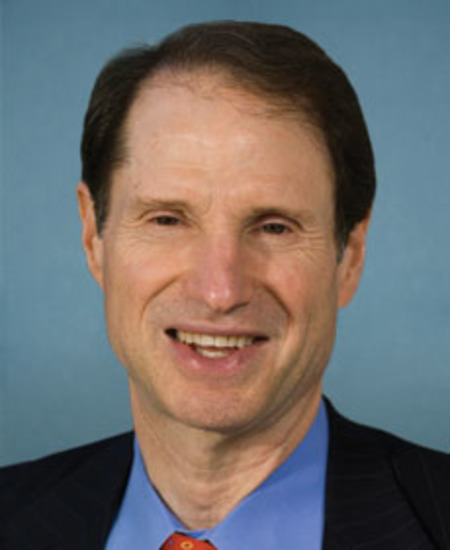
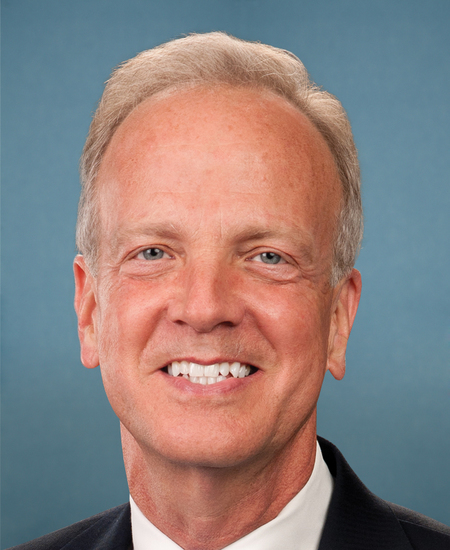
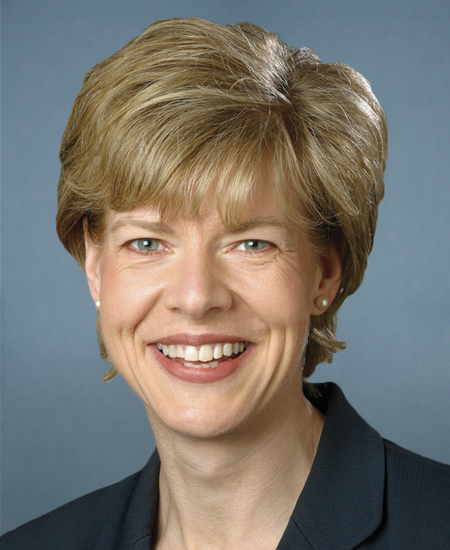
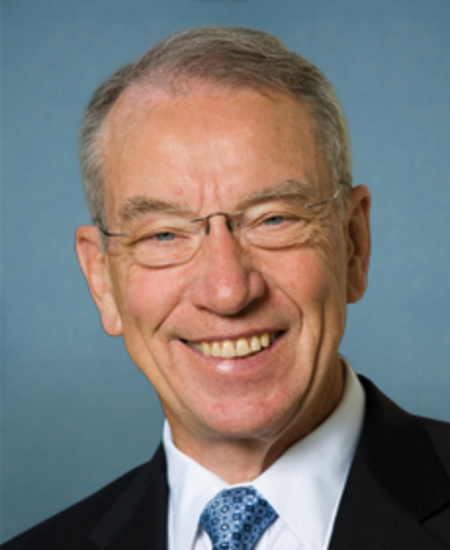
WASHINGTON– Senate Judiciary Committee Chairman Chuck Grassley (R-Iowa) today joined Sens. Bill Cassidy (R-La.) and Martin Heinrich (D-N.M.) in introducing theHalt Lethal Trafficking (HALT) Fentanyl Act. The bipartisan bill would permanently classify fentanyl-related substances as Schedule I under theControlled Substances Act.
Grassley will chair a Senate Judiciary Committeehearingto examine permanent fentanyl scheduling on Tuesday, February 4.
“Today, roughly 150 Americans will die from fentanyl poisoning. Cartels fuel this crisis by marketing their poison as legitimate prescription pills. They also avoid regulation by chemically altering the drugs to create powerful fentanyl knock-offs,”Grassley said. “Congress closed that loophole by temporarily classifying fentanyl related substances under Schedule 1. TheHALT Fentanyl Actwould make permanent fentanyl related substances’ Schedule 1 classification and ensure law enforcement has the tools they need to combat these deadly drugs.”
“The Biden administration’s open border was an invitation to drug cartels smuggling Chinese fentanyl into the U.S., fueling the U.S. overdose epidemic,”Cassidy said. “Law enforcement must have the tools necessary to combat this trend. We cannot let this Schedule I classification lapse.”
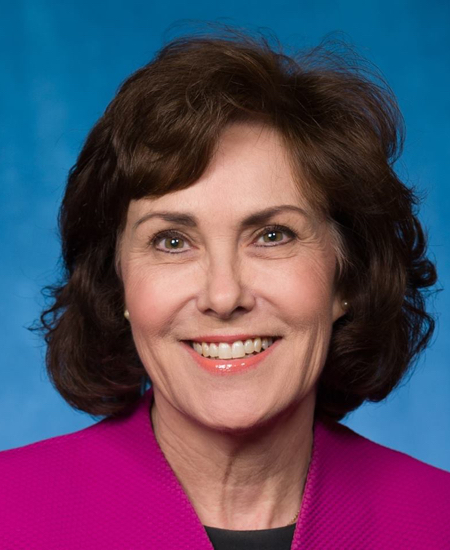
TheHALT Fentanyl Actis cosponsored by Sens. Roger Marshall (R-Kan.), Todd Young (R-Ind.), Steve Daines (R-Mont.), Eric Schmitt (R-Mo.), Maggie Hassan (D-Nev.), Shelley Moore Capito (R-W.Va.), Ruben Gallego (D-Ariz.), Catherine Cortez Masto (D-Nev.), Mike Rounds (R-S.D.), John Kennedy (R-La.), Jeanne Shaheen (D-N.H.), Angus King (I-Maine) and Mark Kelly (D-Ariz.).
The legislation is endorsed by theDrug Enforcement Association of Federal Narcotics Agents, the Association of State Criminal Investigative Agencies, the Federal Law Enforcement Officers Association, the Major Cities Chiefs Association, the National Assocaition of Police Organization, the National Sheriffs' Association, the Major County Sheriffs of America, the National Alliance of State Drug Enforcement Agencies, the National High Intensity Drug Trafficking Area (HIDTA) Directors Association, the National Narcotic Officers' Associations' Coalition, the National District Attorneys Association, the Iowa Narcotic Officers Association, the Sergeants Benevolent Association NYPD, San Diego Imperial Valley HIDTA, the Illinois Drug Enforcement Officers Association, the Arizona HIDTA, the Peace Officers Research Association of California and the Arizona Associations of Chiefs of Police.
Background:
Fentanyl is a controlled substance, meaning U.S. statute prohibits its use. Illicit drug manufacturers and traffickers sidestep the law by producing fentanyl-related substances – drugs that are substantially similar to fentanyl, but chemically tweaked ever so slightly – to push potent drugs into the U.S. on a technicality.
To keep pace with rapidly evolving drugs and combat opioid-related deaths, in 2018, the Drug Enforcement Administration under the leadership of President Trump temporarily restricted all fentanyl-related substances. Congress has extended President Trump’s temporary scheduling order multiple times since. TheHALT Fentanyl Actwould permanently extend the 2018 Schedule I classification for fentanyl-related substances, which is set to expire on March 31, 2025.
-30-
f747abac-b3ff-43cd-9a22-4c19a396a5e1Issued within 24 hours
Other senators' releases published in the day before or after this one.