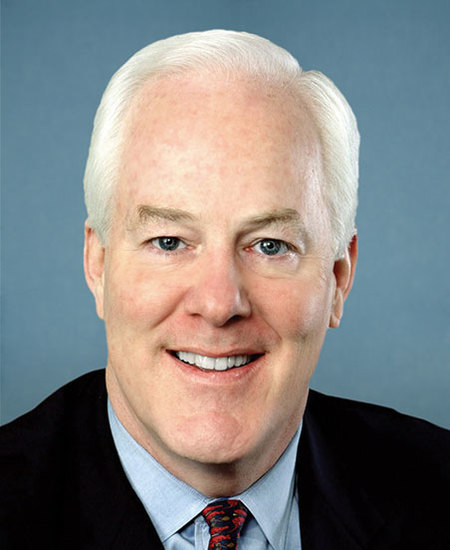
NEWS: Sen. Schiff Joins Padilla, Thompson, Valadao to Request Emergency Funding to Combat Invasive Pest Threatening California Grapes and Wine Industry
Washington, D.C. — U.S. Senator Adam Schiff joined Senator Alex Padilla (both D-Calif.), along with U.S. Representatives Mike Thompson (D-Calif.-04) and David Valadao (R-Calif.-22), and 10 other colleagues to urge the U.S. Department of Agriculture (USDA) to provide emergency funding to address the growing threat posed by the invasive glassy-winged sharpshooter (GWSS) in California. In a letter to the USDA Secretary Brooke Rollins, the lawmakers requested the immediate release of $32.2 million from the Commodity Credit Corporation to support efforts to contain and eradicate the pest, which spreads Pierce’s Disease (PD) and threatens many critical agricultural industries in California, including wine grapes and table grapes. “On May 19th, staff from the California Department of Food and Agriculture (CDFA) and Fresno County agricultural commissioner’s office identified nursery stock infested with GWSS that was distributed to Costco locations in Alameda, Butte, Contra Costa, Humboldt, Kings, Marin, Mendocino, Merced, Monterey, Napa, Placer, Sacramento, San Joaquin, San Mateo, Santa Clara, Santa Cruz, Shasta, Solano, Sonoma, Stanislaus, Tulare, Yolo, and Yuba Counties,” wrote the lawmakers . “The vines were sold to customers across the state and are now believed to have been transported to residential homes in at least 38 counties. The movement of infested nursery stock into and near key grape-producing regions, including areas critical to California’s winegrape and fresh table grape production, significantly elevates the urgency of this response.” The lawmakers emphasized the significant economic stakes for California agriculture. “According to the Wine Institute, the California wine industry supports 1.1 million jobs across the country and has an economic impact of $170.5 billion,” continued the lawmakers . “Meanwhile, California produces 99% of the table grapes grown in the United States, and the California Table Grape Commission estimates that California table grapes have a crop value of $2.59 billion. This pest and its associated disease pose a potentially catastrophic threat to these industries. If left unchecked, the California Department of Food and Agriculture estimates that losses associated with PD/GWSS could eclipse $104 million annually.” The requested funding would support emergency response efforts, including tracing, surveying, and trapping, implementing an ongoing trapping and survey programs for the next three years. Background: Schiff is the first senator from California to serve on the Senate Committee on Agriculture, Nutrition, and Forestry in over 30 years. Today, the Senator introduced two pieces of bipartisan legislation to strengthen resilience in our domestic food supply chains and expand markets for producers. He also introduced legislation to increase food banks’ access to fresh produce to provide nutritious food for families and support specialty crop farmers. Recently, the Senator introduced six new pieces of legislation aimed at expanding support and market access for specialty crop farmers and to level the playing field for California growers in the upcoming Farm Bill. The full text of the letter can be viewed here and below: Dear Secretary Rollins: We write to request that you immediately authorize the release of $32.2 million from the Commodity Credit Corporation (CCC) to address the time-sensitive threat posed to the wine, winegrape, and table grape industries from Glassy-Winged Sharpshooter (GWSS) and associated Pierce’s Disease (PD). GWSS is a serious pest that feeds on grapevines and is a vector for PD, an incurable disease which kills grapevines by clogging their water-conducting vessels. On May 19th, staff from the California Department of Food and Agriculture (CDFA) and Fresno County agricultural commissioner’s office identified nursery stock infested with GWSS that was distributed to Costco locations in Alameda, Butte, Contra Costa, Humboldt, Kings, Marin, Mendocino, Merced, Monterey, Napa, Placer, Sacramento, San Joaquin, San Mateo, Santa Clara, Santa Cruz, Shasta, Solano, Sonoma, Stanislaus, Tulare, Yolo, and Yuba Counties. The vines were sold to customers across the state and are now believed to have been transported to residential homes in at least 38 counties. The movement of infested nursery stock into and near key grape-producing regions, including areas critical to California’s winegrape and fresh table grape production, significantly elevates the urgency of this response. According to the Wine Institute, the California wine industry supports 1.1 million jobs across the country and has an economic impact of $170.5 billion. Meanwhile, California produces 99% of the table grapes grown in the United States, and the California Table Grape Commission estimates that California table grapes have a crop value of $2.59 billion. This pest and its associated disease pose a potentially catastrophic threat to these industries. If left unchecked, CDFA estimates that losses associated with PD/GWSS could eclipse $104 million annually. Federal law (7 USC 7772) authorizes you to transfer funds from the CCC “in connection with an emergency in which a plant pest or noxious weed threatens any segment of the agricultural production.” Given the breadth and scope of the outbreak we face today, we believe the necessary conditions have been met, and we therefore ask that you authorize a transfer without delay. Industry and staff from CDFA estimate the following costs will be required to address this situation: There is an immediate need for an additional $3.2 million by June 30 to pay for emergency operations, including tracing, surveying and trapping. There is an expected need to implement an ongoing trapping and survey program for the next three years, which will cost approximately $5 million per year for three years ($15 million) When GWSS becomes more prevalent, as we fear it will, it is expected to cost an additional $3.5 million per year for four years for eradication. ($14 million) It is important to note that the industry has not left the cost of PD/GWSS entirely up to the federal government. For the last 25 years, winegrape growers have assessed themselves to fund research and mitigation. Just last year, growers again approved a fee of $1.25 per $1,000 of grape value, which will be in place until 2030. Over time, growers have contributed more than $62 million to support the federal and state investments. Thank you for your attention to this matter. The wine, winegrape, and table grape industries are a highlight of American agriculture, and your support during this challenging time will ensure U.S. wine and table grapes can continue to compete in the global market. ###
03268f47-4d1a-4c61-a817-ab8d49776757Issued within 24 hours
Other senators' releases published in the day before or after this one.