Sen. Moran Joins Colleagues in Introducing the Mental Health in Aviation Act
WASHINGTON
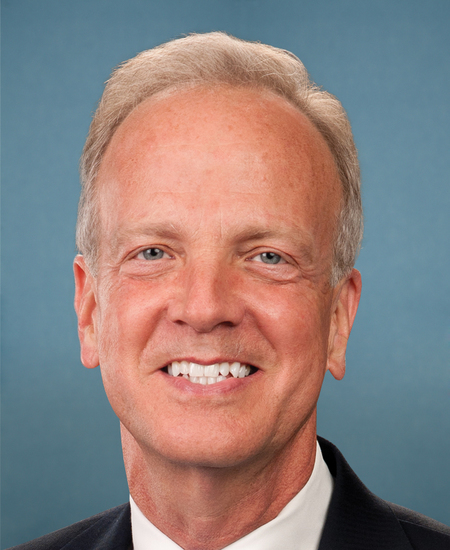
– U.S. Senator Jerry Moran (R-Kan.), chairman of the Commerce Subcommittee on Aviation, Space and Innovation, joined his colleagues Sens. John Hoeven (R-N.D.) and Tammy Duckworth (D-Ill) in introducing the
Mental Health in Aviation Act
, bipartisan legislation to modernize the Federal Aviation Administration’s (FAA) approach to mental health and medical certification. The
Mental Health in Aviation Act
improves aviation safety by ensuring both pilots and air traffic controllers can seek mental health care without fear of reprisal and while reducing the stigma associated with mental health.
“Pilots and air traffic controllers bear a major responsibility in ensuring the safety of the flying public, a task that can be extremely stressful,”
said Sen. Moran
. “No one should have to deal with mental health challenges alone or worry that seeking help could harm their career. This legislation would help break down barriers, allowing pilots and air traffic controllers to access the resources and support they need, when they need it, and improve the safety of the aviation system.”
“It’s imperative that our pilots, air traffic controllers and aviation professionals have access to the resources they need to maintain their mental health,”
said Sen. Hoeven
. “The Mental Health in Aviation Act seeks to address mental health issues throughout the aviation industry, promote early intervention, provide additional resources to the FAA’s Office of Aerospace Medicine, and support the well-being of aviation professionals and the overall safety of our skies.”
“Pilots and air traffic controllers often operate under immense amounts of stress—pursuing mental health care shouldn’t be a career-ending decision,”
said Sen. Duckworth
. “The fear and hesitancy around reporting mental health conditions and accessing care is hurting our pilots and isn’t making our skies any safer—reforms are critically needed. I’m proud to introduce the Mental Health in Aviation Act with Senator Hoeven, commonsense legislation to help improve aviation safety and reduce bureaucratic delays and overregulation that can create a dangerous culture of silence and stigma around mental health.”
This legislation was also cosponsored by Sens. Katie Britt (R-Ala.), Dick Durbin (D-Ill), Deb Fischer (R-Neb.), John Hickenlooper (D-Colo.), Lisa Murkowski (R-Alaska.), Amy Klobuchar (D-Minn.), John Curtis (R-Utah), and Jack Reed (D-R.I.).
The
Mental Health in Aviation Act
is the Senate companion to the House of Representatives bill, H.R. 2591, introduced by Reps. Sean Casten (D-Ill.) and Pete Stauber’s (R-Minn.) bill. H.R. 2591 passed the House of Representatives unanimously on September 8, 2025.
Under current FAA regulations, pilots and air traffic controllers are required to obtain and maintain a FAA Medical Certification, which requires the disclosure of medical treatment, including for mental and behavioral health treatment. Once disclosed, even pilots with minor or well-managed conditions can face prolonged uncertainty and bureaucratic delays as they work through the existing processes that allow for treatment and safe return to operation. Further, the FAA has limited psychiatric staff to process pilot mental health evaluations, compounding the bureaucratic delays and leading to a significant backlog of special issuance applications. The
Mental Health in Aviation Act
builds on the recommendations made by the FAA at the
Mental Health and Aviation Medical Clearances Rulemaking Committee
(ARC) in 2023 to assess barriers for pilots and controllers to acknowledge, seek care and treatment, and report mental health concerns, and to develop and implement policy and protocol recommendations.
Specifically, the legislation would require the FAA to:
Modernize mental health guidance regulations for pilots and air traffic controllers to encourage the early disclosure and treatment of mental health conditions, and to reduce the stigma surrounding mental health in aviation.
Annually review the FAA’s Special Issuance Medical Certification process, appropriate mental health treatments and medication use, and overall mental health training for Aviation Medical Examiners.
Allocate $15 million annually (FY2026–FY2029) to the FAA’s Office of Aerospace Medicine to expand and train additional medical examiners, including specialists, to improve the efficiency of the FAA’s Special Issuance Medical Certification process.
Allocate $1.5 million annually (FY2026–FY2029) for a public information campaign to help reduce the stigma around mental health care in aviation and encourage pilots and air traffic controllers to seek treatment.
Full text and a summary of the
Mental Health in Aviation Act
can be found
here
and
here
.
# # #
043a46ac-1b22-40c0-9a8c-5cb82e767294Issued within 24 hours
Other senators' releases published in the day before or after this one.