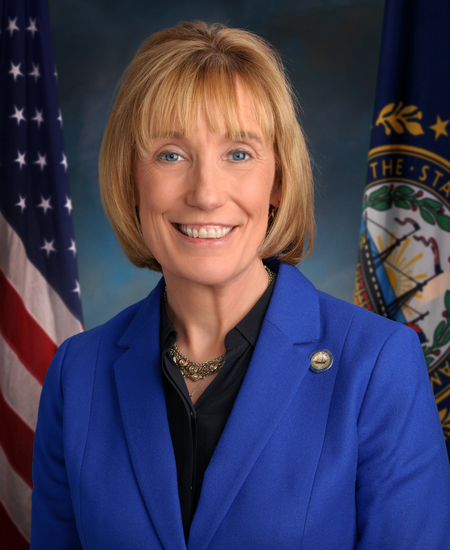
Murphy Slams So-Called Protect College Sports Act on Stephen A. Smith's Straight Shooter
WASHINGTON, D.C. - U.S. Senator Chris Murphy (D-Conn.) joined Stephen A. Smith ’s Straight Shooter on Sirius XM for a conversation on the Protect College Sports Act ahead of potential Senate action. Murphy laid out why the PCSA would be a disaster for college athletes by giving the NCAA sweeping, unprecedented power to silence athletes and bring back the old system of exploitation. Sen. Murphy has been a leading voice of opposition to the so-called Protect College Sports Act . Murphy has worked with athletes, labor advocates, and civil rights groups to rally against the passage of the Protect College Sports Act, as well as advocate for his College Athlete Right to Organize Act . Murphy debunked the “crisis” framing pushed by NCAA’s corporate executives: “More people are watching the games than ever before. More people are showing up than ever before. Women's sports is not contracting; it's expanding. The development deals for TV rights are bigger than ever before.” Murphy called out the NCAA’s actions stifling negotiations with athletes: “The ‘chaos’ is pretty simple. Over the last few years, student athletes have gotten power. The courts have basically ruled that these schools are illegally colluding to keep these kids' wages down, and instead of doing what they should, which is sit across the table with these students and come up with an agreement that both the colleges and the athletes can live with, instead the coaches and the colleges are running to Congress asking us to make the college an antitrust exemption, so that they can continue to exploit the athletes.” Murphy emphasized the PCSA is littered with double standards between coaches and players: “The bill says if you're a student and you want an endorsement deal, you have to get signed off by some NCAA bureaucracy. The bill limits student athletes' ability to transfer, basically making you an indentured athlete once you've transferred once. Coaches aren't subject to any of those restrictions, so there's no limitation on coaches' endorsement deals. Coaches can switch jobs every single year. Coaches can make as much money as they want. So this is a great bill for coaches and universities because it artificially, through statute and contracts, limits the amount of money that athletes can make.” Murphy emphasized that there is no precedent for the anti-trust exemption the NCAA is asking for: “There's only two industries in this country that have a broad exemption from antitrust laws: the railroad industry and Major League Baseball. And the only reason that they got those exemptions was because they have collective bargaining agreements. Workers have rights at the table. This is the first time that we are exempting an entire industry - this is a big industry, a $12 billion industry, from anti-collusion rules - and giving no rights to the people that are going to be most impacted.” Murphy advocated for targeted, athlete-focused bills to address true problems in college sports: “I would recommend that, you know, we come in with a much smaller set of protections. I think these agents are probably getting away with murder. I do think you should restrict their fees. I don't think anybody who's in the pros should be allowed to come back and play in college. I don't have any problem with saying you get four years and that's it. So we could do a targeted bill that cuts down on some of the reported chaos in college athletics without giving this massive, big antitrust exemption to the schools that ends up allowing these kids to continue to be exploited.” Stephen A. Smith echoed Murphy’s view, suggesting the NCAA is trying to bring an exploitative system back with Congress’s help: “My position on this, Senator, has been that the NCAA spent years exploiting the student athlete. They had their comeuppance… I see the NCAA with their lobbyists up on Capitol Hill trying to get things done for themselves. And Senator Cruz and others, I'm not questioning anybody's intent - but ultimately, it's going to be some kind of legislation put forth that benefits the NCAA exponentially and reverts it back to a time that once existed, at least to some degree, and is going to be at the expense of the modern-day athlete. I have a problem with that. I don't think that should be allowed.” An excerpted transcript of Murphy’s interview with Stephen A. Smith is available below. A link to the full interview is available here . Stephen A: Senator Chris Murphy, let's transition because you talked about people having a seat at the table. It brings me to the Protect College Sports Act, which I know that you have spoken about, and I'm interested in knowing your position about that because as somebody whose day job primarily is pretty much day in. I mean, you hear people talking about this protected sports, you know, college sports act. It's obviously supposed to be bipartisan or what have you. I think it's. I think that these athletes, student athletes, need representation at the table. They don't necessarily have that, which I think is a big part of the problem. I think that before this act is pushed forward, that's something that needs to be addressed. They need to have representation. But I want to know what issues you personally have with this with this particular act that's trying to be pushed forward, particularly by Senator Ted Cruz out of Texas, along with various others. Although it's labeled as a bipartisan bill. Talk to me about that for a second. Your thoughts about it? Murphy: Yeah, this is one of the reasons I was excited to talk to you, Stephen, because I think nobody has been smarter than you on talking about the importance of having student and athletic voices as part of this process. So listen, I love sports. I love college sports in Connecticut. We maybe pay a little bit more attention to basketball than to football, but I agree with Ted. It's something that's really unique and great about the United States of America. For all of our political demise, we come together in so many states in order to root for our university sports teams, our football teams, our basketball teams. I mean, you literally have 10s of 1000s of people coming out for women's volleyball games now. It's something unique and good that we should preserve in America. I just don't agree that college sports are in chaos or crisis right now. In fact, more people are watching the games than ever before. More people are showing up than ever before. Women's sports is not contracting; it's expanding. The development deals for TV rights are bigger than ever before. The chaos is pretty simple. Over the last few years, student athletes have gotten power. The courts have basically ruled that these schools are illegally colluding to keep these kids' wages down, and instead of doing what they should, which is sit across the table with these students and come up with an agreement that both the colleges and the athletes can live with, instead the coaches and the colleges are running the Congress asking us to make the college an antitrust exemption, so that they can continue to exploit the athletes. And so, what this bill does is extraordinary. It puts a permanent cap on the amount of money that student athletes can make. And the pros, the athletes make about 50% of the overall revenue. This bill would save 22% for college athletes. The bill says if you're a student and you want an endorsement deal, you have to get signed off by some NCAA bureaucracy. The bill limits student athletes' ability to transfer, basically making you an indentured athlete once you've transferred once. Coaches aren't subject to any of those restrictions, so there's no limitation on coaches' endorsement deals. Coaches can switch jobs every single year. Coaches can make as much money as they want. So this is a great bill for coaches and universities because it artificially, through statute, contracts and limits the amount of money that athletes can make. What should happen, as you reference, is that the schools should sit down with the athletes, and they should come up with an agreement, like they do in professional schools, and instead of having Congress step in and essentially micromanage college sports and protect this system of exploitation. Stephen A: Well, that's where I was going with this. That's why I have been, I don't want to say an adversary of it because I can appreciate where Senator Cruz, yourself, and others are coming from Senator Cory Booker. Let me not forget to bring him into the equation as well because he has his own thoughts about this particular act. Although y'all are coming from different perspectives, everybody agrees that something needs to be done. My position on this, Senator, has been that the NCAA spent years exploiting the student athlete. They had their comeuppance. I do believe it's a bit out of whack because, say, for example, as of right now, if you're an athlete, literally because of the transfer portal and those no no restrictions, you can literally play for four different schools, four different years. I think that's utterly ridiculous. I think that's a problem. I don't think that's something that should be allowed. Okay, and I don't even mind the cap as long as the number is higher. You brought up the NBA, for example. They don't get 50% of total revenue. They get something for 50% of basketball-related income. But they usually complain about other expenses that come down the pike, that owners are able to get a hold of other profits rather that they don't get attached to. They don't get the profit off of it the way the owners do. It's 50% of the income related designated for basketball operations, and that's pretty much it. And then the other stuff the owners get. But I bring this up because I think it's very important. I'm looking at Congress, and I see the NCAA with their lobbyists up on Capitol Hill trying to get things done for themselves and Senator Cruz and others, I'm not questioning anybody's intent, but ultimately it's going to be some kind of legislation put forth that benefits the NCAA exponentially and reverts it back to a time that once existed, at least to some degree, and is going to be at the expense of the modern-day athlete. I have a problem with that. I don't think that should be allowed, and I think that Justice Brett Kavanaugh spoke adamantly against the NCAA, which really spearheaded all of this stuff regarding regarding name, image, and likeness, and I think people should defer to his ruling. Go back and read his ruling against the NCAA to make a case about something more fair and equitable for the student athlete. That's my suggestion. How do you feel about that? Murphy: I think you are right, and it's important to remember that there's only two industries in this country that have a broad exemption from antitrust laws: the railroad industry and Major League Baseball. That's right. And the only reason that they got those exemptions was because they have collective bargaining agreements. Workers have rights at the table. This is the first time that we are exempting an entire industry. This is a big industry, a $12 billion industry, from anti collusion rules and given no rights to the people that are going to be most impacted. Now you are right that what's happening now should not continue, but remember that that one-year contract that essentially exists today in football and basketball. Yeah, it helps athletes, but it also helps the schools too because the schools don't make any commitment to these students beyond one year. So you might get a package of support with endorsement deals from a school, but if you don't play well, you're essentially fired after that first year, and you are jettisoned as an athlete. So the one-year deals are benefiting both the schools and the athletes. I would recommend that you know we come in with a much smaller set of protections. I think these agents are probably getting away with murder. I do think you should restrict their fees. I don't think anybody who's in the pros should be allowed to come back and play in college. I don't have any problem with saying you get four years and that's it. So we could do a targeted bill that cuts down on some of the reported chaos in college athletics without giving this massive, big antitrust exemption to the schools that ends up allowing these kids to continue to be exploited. And remember, football is really the place you really got to worry because you know there's a limited lifespan for these high value athletes, and so when you require these kids to play three years of football, and that's essentially what the NFL does, and you limit their income artificially while they're in college, you are putting them through traumatic injury, traumatic brain injury risk, and artificially limiting their compensation-that to me is an issue of morality and fairness to these, especially when it comes to everything we're learning about being in college and pro football.
08cb63bd-5c1a-4c06-ba5b-ab8d4e160201Issued within 24 hours
Other senators' releases published in the day before or after this one.