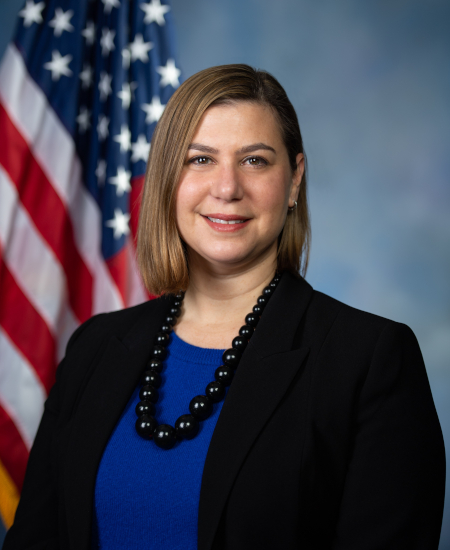
Bennet, Warren, Cortez Masto, Schumer, Kim Urge Secretary Bessent to Provide Greater Transparency on Administration’s Implementation of Outbound Investment Security Program
Nov 6, 2025|Press Releases
Washington, D.C.— U.S. Senator Michael Bennet (D-Colo.), a member of the Senate Select Committee on Intelligence and the Senate Finance Committee, joined Senate Banking Committee Ranking Member Senator Elizabeth Warren (D-Mass.), Catherine Cortez Masto (D-Nev.), Andy Kim (D-N.J.), and Senate Minority Leader Chuck Schumer (D-N.Y.) in calling on U.S. Secretary of Treasury Scott Bessent to provide information about the Trump Administration’s implementation of the Outbound Investment Security Program. This program, which the Biden Administration implemented in 2024, is designed to ensure that the Americans do not financially support the development of sensitive technologies in China and other countries of concern.
The senators’ letter comes as Congress works to finalize the National Defense Authorization Act (NDAA). Last month, the Senate passed by voice vote a bipartisan amendment – which Bennet co-sponsored – to the NDAA to further limit U.S. investments in certain technologies in China, such as artificial intelligence, advanced semiconductors, quantum systems, and hypersonics. In their letter, the senators raised concerns about the Trump Administration’s failure to provide information about its review and implementation of the Outbound Investment Security Program, which is crucial to informing Senate NDAA discussions.
“Outbound investment screening is a critical part of our national security framework,”wrote Bennet, Warren, Cortez Masto, Schumer, and Kim.“This key program was designed to ensure that U.S. firms do not contribute to the development of sensitive technologies—including artificial intelligence, semiconductors, and biotechnology—in the People’s Republic of China and other countries of concern. […] Treasury issued regulations prohibiting transactions involving quantum computing, supercomputers, advanced semiconductor technology, and foundational AI—and required investors to notify Treasury when engaging in other transactions, including commercial AI applications and legacy semiconductor technology.”
“Shortly after taking office, President Trump directed a review of the program and asked you to make recommendations about potential modifications by April 1, 2025,”continued the senators.“That review was due more than six months ago, but Treasury has yet to publicize details or provide any reports to Congress. President Trump also promised in February to ‘adopt new rules’ to safeguard American innovation, but none have been proposed or published. This lack of transparency raises questions about both the direction of outbound investment screening and your commitment to the program.”
In their letter, the senators emphasized longstanding bipartisan support for limiting outbound U.S. investments that risk accelerating the development of critical technologies with military and intelligence applications in countries including China. Earlier this year, a bipartisan group of senators including Bennet introduced the Foreign Investment Guardrails to Help Thwart (FIGHT) China Act, a version of which the Senate passed as an NDAA amendment by voice vote on October 9.
The senators concluded their letter by requesting specific information on the Trump Administration’s implementation of the Outbound Investment Security Program no later than November 19, 2025 to inform Congress’s ongoing efforts to codify the program as part of the NDAA.
In October of this year, BenneturgedPresident Donald Trump to protect U.S. national security – and that of our allies – ahead of his meeting with Chinese President Xi Jinping on October 30, 2025. In July, Bennet and his Senate colleaguessounded the alarmon President Trump’s concessions to China following reports of President Trump pausing U.S. export controls which restrict the sale of critical technology. In March, Bennetintroducedthe FIGHT China Act to protect U.S. national security by limiting American investments in certain technologies in China, such as artificial intelligence, advanced semiconductors, quantum systems, and hypersonics.
The text of the letter is availableHEREand below.
Dear Secretary Bessent,
As the National Defense Authorization Act (NDAA) undergoes the conferencing process, we write to request information about the Administration’s implementation and review of the Department of the Treasury’s (Treasury) Outbound Investment Security Program.
This key program was designed to ensure that U.S. firms do not contribute to the development of sensitive technologies—including artificial intelligence, semiconductors, quantum, and biotechnology—in the People’s Republic of China and other countries of concern. Shortly after taking office, President Trump directed a review of the program and asked you to make recommendations about potential modifications by April 1, 2025. That review was due more than six months ago, but Treasury has yet to publicize details or provide any reports to Congress. President Trump also promised in February to “adopt new rules” to safeguard American innovation, but none have been proposed or published. This lack of transparency raises questions about both the direction of outbound investment screening and your commitment to the program.
Outbound investment screening is a critical part of our national security framework. When Treasury began implementing the outbound program last year, it set out to prevent U.S. investments—including from private equity and venture capital—from fueling the development of next-generation military, intelligence, surveillance, and cyber capabilities in countries of Concern. Indeed, President Biden had declared a national emergency given the threat that advancements in those sectors pose to our national security. As part of its implementation of the outbound program, Treasury issued regulations prohibiting transactions involving quantum computing, supercomputers, advanced semiconductor technology, and foundational AI—and required investors to notify Treasury when engaging in other transactions, including commercial AI applications and legacy semiconductor technology.
There is longstanding bipartisan support for addressing the role of outbound U.S. investments in accelerating the development of critical technologies that have military and intelligence applications, especially as technology firms in countries like China raise billions in international Capital. Members of Congress remain engaged and have sought to fill this gap in U.S. national security authorities since 2016, when we considered authorizing the Treasury to review outbound investments as part of the Foreign Investment Risk Review Modernization Act. Since then, Congress has introduced a range of bills to address risks that American firms may fund China’s military. Earlier this year, for example, a bipartisan group of senators introduced the Foreign Investment Guardrails to Help Thwart China Act of 2025, a version of which the Senate recently passed by voice vote in its NDAA bill.
As part of our continued analysis on how Congress can support the Outbound Investment Security Program, we request that you answer the enclosed questions no later than November 19, 2025:
Sincerely,
###
Write to Michael
Get Help with a Federal Agency
Visiting DC
©2024 U.S. Senate. All Rights Reserved. |Privacy Policy
0967dde0-c7c7-4271-9a10-cebd3cd9452eIssued within 24 hours
Other senators' releases published in the day before or after this one.