Hoeven Reviews Minot Missions with Air Force Secretary, Working to Keep Nuclear Modernization on Track
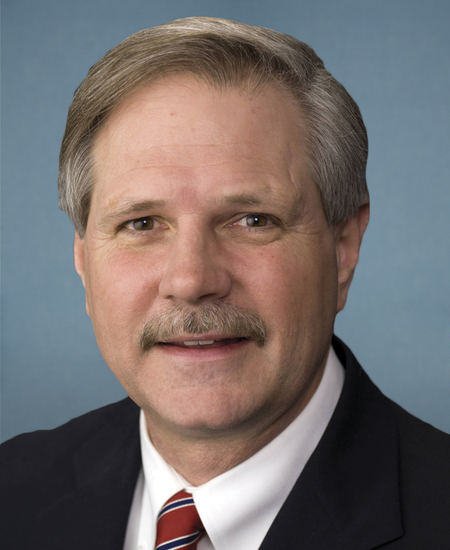
MINOT, N.D. – Senator John Hoeven today joined U.S. Air Force Secretary Troy Meink and General Dale White, who oversees the Sentinel program for the U.S. Department of War (DoW), in Minot to review the operations of the Minot Air Force Base and continue advancing the modernization of the base’s dual nuclear missions. Hoeven discussed his efforts as a member of the Senate Defense Appropriations Committee to secure the administration’s budget request for nuclear modernization in the Fiscal Year (FY) 2027 funding legislation. The funding is required to keep the modernization initiatives on track and ensure the Minot Air Force Base is ready to field the new systems as soon as they are developed. Accordingly, Hoeven is working to secure: More than $4.6 billion to advance the Sentinel intercontinental ballistic missile (ICBM). This comes in addition to the $232 million Hoeven is working to include in the Military Construction Appropriations bill for the first two major Sentinel construction projects in Minot, including: $108 million for the Sentinel Security Forces Operations Complex, a 130,000 square-foot complex that will include state-of-the-art armory, training, administrative and storage spaces. The complex consolidates seven buildings into one and will support more than 1,000 security personnel charged with safeguarding U.S. nuclear capabilities. $124 million for the Sentinel Consolidated Vehicle Maintenance Complex, an 82,000 square-foot facility that consolidates five buildings into two. Once completed the complex will nearly triple, from 500 to 1,400, the number of vehicles able to be maintained. Hoeven is also seeking to accelerate the construction of silos for the Sentinel missile at Minot, including the rapid identification of new locations for a limited number of Sentinel missiles that could be developed without deactivating existing Minuteman III missiles currently on alert. $1.9 billion to upgrade the B-52s, including new engines and radar systems. $1.5 billion for the Long Range Stand Off (LRSO) missile, which will be carried on the B-52. Hoeven is working to secure $180 million over the next several Fiscal Years for facilities in the base’s Weapons Storage Area that are necessary to ensure the base is prepared to perform the LRSO mission in the early 2030s as scheduled. $260 million for procurement of MH-139 Grey Wolf helicopters, which will help secure the base’s missile fields. The MH-139 is set to start arriving in Minot next year, following completion of the new helicopter building by the end of 2026. “We’re reaching a critical stage in our efforts to modernize the nation’s nuclear forces, and our funding priorities reflect that. These systems are set to start coming online in the early 2030s, so it’s key that we get Minot’s facilities ready now and make sure the base can effectively field the new deterrents as soon as they are fully developed. That’s why we are working on funding the first two major Sentinel construction projects in Minot, including security and vehicle maintenance facilities, while providing the resources needed to keep the Sentinel, B-52, LRSO and MH-139 programs on track,” said Hoeven. “While we work on these future missions, the DoW’s supplemental request is also critically needed to maintain our warfighters’ readiness right now. We’re working to advance this funding so we have the munitions and operational capabilities required to counter our adversaries and keep the maximum amount of pressure on rogue regimes like Iran.” In addition, Hoeven outlined the importance of the administration’s supplemental appropriations request for the DoW. The senator stressed the supplemental is needed to replenish the nation’s arms stockpile following Operation Epic Fury and ensure the readiness of U.S. warfighters. To this end, the $67 billion DoW request includes: $21 billion for munitions. $17.3 billion for operational costs. $12.1 billion for classified programs. $5.1 billion for cybersecurity. $4 billion for Airborne Moving Target Indication & Space Data Network. $2.4 billion for drones. Hoeven highlighted the role of the North Dakota National Guard’s MQ-9 mission, which is flown out of Hector Field in Fargo. The MQ-9 has played a prominent role in the conflict with Iran, and the funding is needed to ensure the platform’s operators can continue supporting warfighters around the globe. $1.7 billion for readiness. $1.5 billion for fuel costs. $800 million for National Guard. -###-
0b2dc2d0-68d4-44f0-8da3-67b968590d1dIssued within 24 hours
Other senators' releases published in the day before or after this one.