PASSED THE SENATE: Hassan Bill to Help More Businesses Provide Child Care to Employees
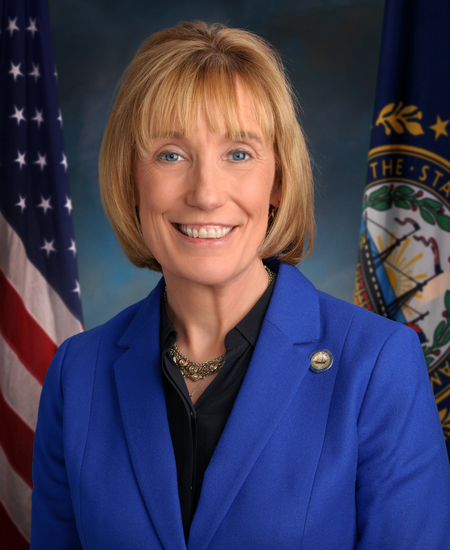
WASHINGTON – Legislation led by U.S. Senators Maggie Hassan (D-NH) and Dan Sullivan (R-AK) to help more businesses and working families access federal child care tax benefits recently passed the Senate. The Child Care Tax Benefit Outreach and Assistance Act would create a Business Child Care Liaison at the Internal Revenue Service (IRS) to help more businesses take advantage of existing federal child care tax incentives that are underutilized. The bill now heads to the House for consideration. In June, the U.S. Congress Joint Economic Committee – Minority, of which Senator Hassan serves as the Ranking Member, issued a report that calculated that a sample business could save $820,000 over 5 years using the credits, and a parent working for the company could save nearly $10,000 on child care costs. “Child care costs are crushing working families across the country and making it harder for businesses to find and retain the workforce that they need. Federal child care tax incentives can help businesses better support working families by lowering the cost of providing child care, but too often, businesses do not know that these incentives are available,” said Senator Hassan. “This commonsense, bipartisan bill will help cut through the confusion around federal child care tax incentives, increase awareness among businesses about these incentives, and make it easier for Granite State businesses and employers across the country to invest in the child care that their employees need to stay in the workforce. I am pleased to see this pass the Senate and urge my House colleagues to support it so that it can be signed into law.” “Quality child care is not only essential for the well-being of families, it is also key to a thriving economy and a strong workforce,” said Senator Sullivan . “I hear repeatedly from Alaska parents that the lack of affordable child care is one of their top concerns, and the data backs that up. Sixty-one percent of Alaskans are living in communities classified as child care ‘deserts,’ and too many families struggle to find reliable, affordable care close to home. This legislation will help employers, providers, and other nonprofits better utilize federal tools for employees—specifically the significant expansion of federal incentives in the Working Families Tax Cuts Act for child care facilities and the provisions that expand opportunities and support for working families. It was great to see this important legislation pass the Senate, and I look forward to seeing this bipartisan bill advance through the House and signed into law.” Federal tax incentives designed to help businesses provide child care benefits are underutilized, even as working parents across the country struggle with the cost and availability of child care. Greater utilization of these incentives by businesses could help expand access to child care for many working families – and help more businesses hire and retain workers. The bipartisan Hassan-Sullivan legislation would direct the IRS to appoint a Business Child Care Liaison who would be responsible for building relationships between the child care sector and business community, coordinating with other federal agencies to help employers use child care tax incentives, and identify and recommend to Congress potential legislative and administrative changes to improve the utilization of these incentives. Senator Hassan leads several bipartisan efforts to help more families access and afford child care. She introduced the bipartisan After Hours Child Care Act to improve access to affordable child care for parents working nontraditional hours. Additionally, Senator Hassan helped introduce the Child Care for Working Families Act , which would cap child care costs at 7 percent of a family’s income, make high-quality preschool universally accessible for all 3-and 4-year olds, and increase wages for early childhood workers. ###
0fe9639f-0443-428d-9b23-1761d2df7480Issued within 24 hours
Other senators' releases published in the day before or after this one.