Press Release
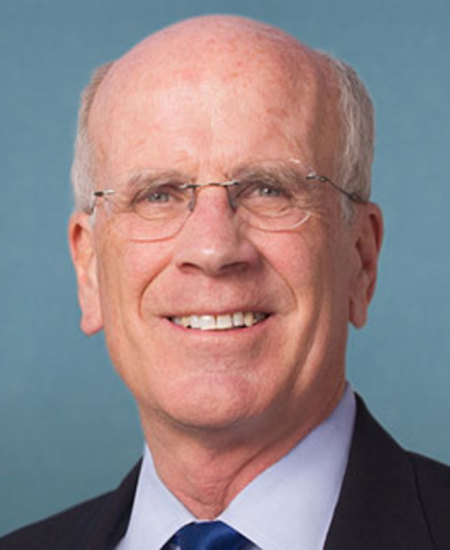
Bill would update decades-old Medicare rules that trigger harmful cuts to health care providers WASHINGTON, D.C. – U.S. Senator Peter Welch (D-Vt.) , Member of the Senate Finance Subcommittee on Health Care , along with U.S. Senators John Boozman (R-Ark.) , Angus King (I-Maine) , Roger Marshall M.D. (R-Kan.) , Jeanne Shaheen (D-N.H.) and Thom Tillis (R-N.C.), introduced the Provider Reimbursement Stability Act, bipartisan, bicameral legislation to modernize Medicare’s physician payment system to create more stability and predictability for patients and doctors. According to the American Medical Association (AMA), when adjusted for inflation, Medicare reimbursement for physician services has declined 33% since 2001. Outdated Medicare budget neutrality rules and a lack of inflation updates have driven down reimbursement rates. The legislation reforms key structural components of the Medicare Physician Fee Schedule, helping preserve physicians’ ability to care for Medicare patients. “So many Vermonters rely on Medicare for their health care coverage—it’s critical that their health care providers are fairly compensated,” said Senator Welch . “This commonsense, bipartisan bill updates an outdated, decades-old policy that triggers harmful cuts to provider payments. We’re working across the aisle to ensure providers in Vermont and rural communities around the country can keep treating Medicare patients and get reimbursed fairly for the care they provide.” “Providers should not face unpredictable payment cuts that make it more difficult to care for patients. Modernizing Medicare reimbursement is an important step toward ensuring long-term financial stability for our health care providers and preserving access to quality care. Our bill is a bipartisan solution that will more accurately reflect the costs of delivering quality care, which ultimately benefits patients in Arkansas and across our country,” said Senator Boozman . “Accessible, reliable health care is essential for seniors across Maine, particularly in our rural communities where providers are already stretched thin,” said Senator King . “The Provider Reimbursement Stability Act would help ensure that Medicare providers are fairly reimbursed so they can continue delivering the full range of care that Maine seniors depend on for their healthcare needs. I’m proud to join my colleagues in supporting this commonsense bipartisan legislation to strengthen access to quality care for older Americans.” “For 25 years, I cared for patients in western Kansas. Like many, I didn’t go into medicine to worry about Washington’s payment formulas – I went into medicine to take care of people,” said Senator Marshall . “When doctors can’t make the numbers work, patients lose access to care. This legislation is a commonsense step toward stabilizing physician reimbursement so doctors can spend more time caring for patients and less time worrying about whether they can afford to stay in practice.” “It’s critical we do all we can to ensure that Granite Staters who rely on Medicare for health insurance have access to the quality, affordable care they need,” said Senator Shaheen . “This bipartisan bill would make sure physicians are fairly compensated and guarantee adequate reimbursement for providers, which would help strengthen Medicare’s dependability for patients now and into the future.” “More than two million Medicare beneficiaries in North Carolina depend on timely access to quality care,” said Senator Tillis . “Year after year, Medicare reimbursement cuts have made it harder for physicians to care for patients. This bipartisan legislation makes long overdue reforms to outdated policies to ensure physicians are fairly reimbursed and seniors continue to have access to the care they deserve.” The Provider Reimbursement Stability Act would: Increase the budget neutrality threshold from $20 million to $57.64 million and index it to the Medicare Economic Index (MEI) every five years: Revise erroneous reimbursement cuts based on utilization rates derived from claims data instead of relying on estimates; Require the Secretary to update all practice expenses at the same time, every five years; Limit year-to-year positive or negative variances in reimbursements. The Provider Reimbursement Stability Act is supported by nationwide health organizations, including the Alliance of Specialty Medicine, AMA, American Academy of Allergy, Asthma and Immunology, American Academy of Dermatology Association, American Academy of Family Physicians, American Academy of Neurology, American Academy of Ophthalmology, American Academy of Otolaryngology – Head and Neck Surgery, American Association of Colleges of Osteopathic Medicine, American Association of Neurological Surgeons, American Association of Orthopaedic Surgeons, American College of Cardiology, American College of Emergency Physicians, American College of Obstetricians & Gynecologists, American College of Physicians, American College of Radiology, American College of Rheumatology, American College of Surgeons, American Gastroenterological Association, American Medical Group Association, American Optometric Association, American Osteopathic Association, American Psychiatric Association, American Psychological Association Services, American Society for Radiation Oncology, American Society of Breast Surgeons, American Society of Echocardiography, American Society of Plastic Surgeons, American Urological Association, College of American Pathologists, Congress of Neurological Surgeons, Emergency Department Practice Management Association, Medical Group Management Association, National Infusion Center Association, National Organization of Rheumatology Management, Obesity Medicine Association, Society for Vascular Surgery, and the Society of Thoracic Surgeons. View a section-by-section summary of the Provider Reimbursement Stability Act. Read and download the full text of the legislation. ###
23a0cd95-b39a-4266-8106-0b4fce774165Issued within 24 hours
Other senators' releases published in the day before or after this one.