Carbajal Demands DHS Accountability Over Reports of Foreign Vessels Transporting Cargo Without Required Disclosures Under Jones Act Waiver
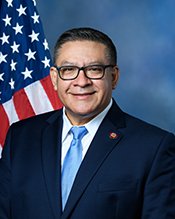
U.S. Representative Salud Carbajal (D-CA-24), Top Democrat of the House Subcommittee on Coast Guard and Maritime Transportation, sent a letter to Department of Homeland Security (DHS) Secretary Markwayne Mullin raising concerns over the department's administration and oversight of Jones Act waivers. Carbajal’s inquiry follows recent reports indicating that foreign-flagged vessels have transported more than $40 million in petroleum products between U.S. ports without required disclosures, raising critical questions about whether federal tax, labor, and immigration laws are being properly enforced on foreign operators. “I am writing to express concern regarding the Department of Homeland Security’s (DHS) administration and oversight of Jones Act waivers, particularly in light of recent reporting that foreign-flagged vessels have transported more than $40 million in petroleum products between U.S. ports without required disclosures, among other potential violations,” wrote Rep. Carbajal. “These reports raise significant questions about whether DHS and its component agencies are adequately enforcing federal law with respect to foreign vessels operating in U.S. domestic commerce.” The full letter is available HERE and below. Dear Secretary Mullin: I am writing to express concern regarding the Department of Homeland Security’s (DHS) administration and oversight of Jones Act waivers, particularly in light of recent reporting that foreign-flagged vessels have transported more than $40 million in petroleum products between U.S. ports without required disclosures, among other potential violations. These reports raise significant questions about whether DHS and its component agencies are adequately enforcing federal law with respect to foreign vessels operating in U.S. domestic commerce. As you know, the Jones Act generally prohibits the transportation of merchandise between U.S. points unless a vessel is U.S.-owned, U.S.-documented, and U.S.-built. Recent waivers have been issued under 46 U.S.C. § 501(a), which permits the waiver of certain navigation and vessel-inspection laws only when necessary in the interest of national defense to address an immediate adverse effect on military operations. The statute does not, however, provide an exemption from any other federal requirements applicable to foreign vessels, vessel owners, operators, employers, or crewmembers. Publicly available information indicates that more than 25 domestic voyages by foreign-flagged vessels have been completed under the current waiver, with some vessels conducting multiple voyages. Given the scale and duration of this activity, there must be a clear framework for ensuring continued compliance with federal law. Recent IRS guidance further establishes that income earned by foreign corporations from operating vessels between U.S. ports under a Jones Act waiver constitutes domestic-source income and is not eligible for the international shipping exclusion under Section 883 of the Internal Revenue Code or related treaty benefits. This raises additional questions about DHS’s role in facilitating and enforcing compliance with federal tax requirements. Accordingly, I respectfully request the following information: Tax compliance. What steps has DHS taken, independently or in coordination with the Department of the Treasury and IRS, to ensure compliance with applicable federal tax requirements by foreign vessel owners, operators, charterers, and other waiver users? Has DHS provided Treasury or IRS with information identifying waiver users, vessel owners and operators, charterers, cargo interests, voyage dates, cargo movements, or other information necessary to identify potential tax obligations? Please describe the information provided, the frequency of transmission, and any related interagency agreements or procedures. Immigration and crewmember status. Federal regulations generally provide that nonimmigrant crewmen admitted in D status may not be employed in connection with domestic movements of a vessel. How is DHS/CBP interpreting and applying this restriction to foreign officers and crewmembers serving aboard vessels engaged in domestic transportation under the waiver? What immigration classifications or other legal authorities permit such service? Has DHS/CBP identified instances in which a crewmember’s immigration status was inconsistent with domestic service, or in which a crewmember absconded? If so, what corrective or enforcement actions were taken? Please provide any guidance, memoranda, legal opinions, or internal directives addressing these issues. Other federal requirements. Please describe the steps DHS and its component agencies have taken to ensure compliance with other applicable federal requirements, including maritime security, environmental protection, vessel safety and inspection, wage and hour, labor and employment, payroll and withholding taxes, harbor maintenance, customs, and any other requirements applicable to foreign vessels operating between U.S. points. Interagency coordination and oversight. Please provide a description of all coordination between DHS and the Departments of Defense, Transportation, and Treasury; the IRS; U.S. Coast Guard; and other relevant agencies concerning operations under the waiver, including coordination regarding compliance with federal law and whether the statutory requirements for continued waiver authority remain satisfied. The Administration has now authorized the waiver for an aggregate period of approximately 250 days, making oversight particularly important. Congress has a responsibility to ensure that a national-defense waiver is not being treated as a broader exemption from federal law. I therefore request a response addressing the matters above by October 31, 2026. Background Carbajal serves as Ranking Member of the House Coast Guard and Maritime Transportation Subcommittee. In June 2026, Carbajal sent letters to vessel owners and operators that benefited from the Trump administration’s Jones Act waiver, seeking information about their use of the waiver, compliance with U.S. law, and the impacts on American maritime jobs and domestic shipping capacity. The letters are part of Carbajal’s ongoing oversight of the Administration’s April 23 extension of the waiver.
25a4b3f8-208b-4529-ac61-e4923878f42cIssued within 24 hours
Other senators' releases published in the day before or after this one.