Miller-Meeks Introduces Bipartisan Legislation to Protect Children from Human-Like Chatbots
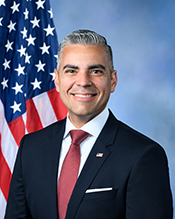
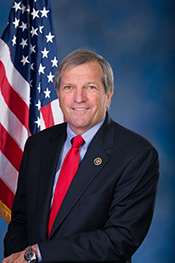
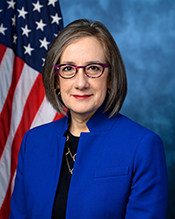
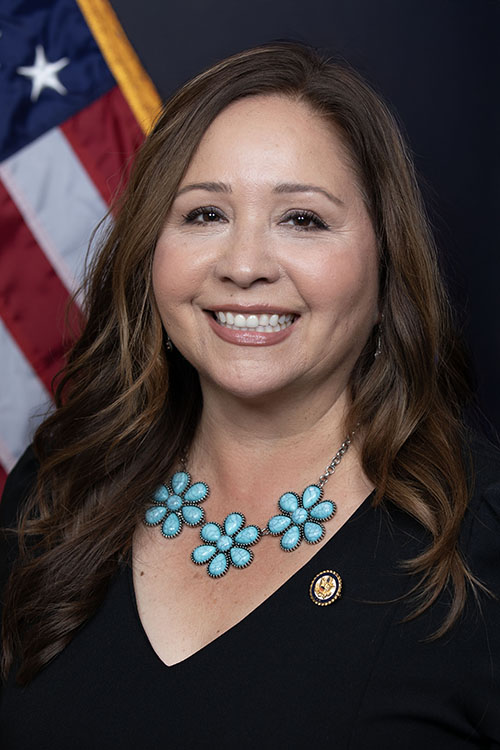
October 1, 2026 Press Release WASHINGTON D.C. – Congresswoman Mariannette Miller-Meeks (R-IA), Rep. George Whitesides (D-CA), Rep. Mike Kennedy (R-UT), and Rep. Doris Matsui (D-CA) introduced the bipartisan Protecting Kids from Human-Like Chatbots Act, legislation to protect children from AI chatbots designed to imitate human relationships. This bill would prohibit chatbots from communicating by default in a human-like way with minors, including pretending to be human, expressing simulated emotions, or using relationship-building language to keep children engaged. As artificial intelligence becomes a bigger part of everyday life, parents deserve to know that the technology their children use is safe and designed with their well-being in mind. One of the fastest-growing concerns for parents is AI chatbots designed to act like a child's friend, confidant, or even romantic partner. According to Common Sense Media's 2026 census , 89% of 13- to 15-year-olds now use AI, including 28% who use it every day. One in three teens have used an AI companion to help with social interactions. This legislation takes a commonsense approach by ensuring AI remains a tool for children, rather than becoming a substitute for real human relationships. “Parents should not have to worry that an AI chatbot is pretending to be their child’s friend or encouraging them to form an emotional attachment to a machine,” said Rep. Miller-Meeks . “The Protecting Kids from Human-Like Chatbots Act puts parents in control and makes sure AI chatbots used by minors are designed to function as tools, without forming fake relationships. This bill is about giving families peace of mind and making sure new technology serves our children without trying to replace real human relationships. Protecting our kids is a priority we should all share.” “As a father of two teenagers, I’ve seen firsthand how affected our kids already are by this digital age, where corporations are using everything from addictive algorithms to overly-friendly chatbots to keep children hooked on their platforms,” said Rep. Whitesides . “It is critical, as AI continues to be integrated into every part of our lives, that our kids’ safety remains at the forefront of the conversation, and that we attack this problem at its inception. By requiring developers to build safety standards into their models before they start interacting with children, we can ensure that these tools are trained correctly, in a way that does not negatively impact their mental health or personal relationships.” “As Utah leads the way in protecting our children from the harms of social media and AI, I am working to ensure the federal government is an active partner in those efforts. That is why I am co-leading the Protecting Kids from Human-Like Chatbots Act,” said Rep. Kennedy . “Human-like AI chatbots pose significant emotional, psychological and safety risks by mimicking real human relationships. AI needs to be a tool, not a friend. This bill sets clear boundaries for how chatbots interact with our children and puts parents fully in charge of these features.” “AI chatbots are becoming more common in children’s lives, and parents deserve to know those systems are not being designed to imitate a friend, express feelings, or build an emotional relationship with their child,” saidRep. Matsui . “The Protecting Kids from Human-Like Chatbots Act would require chatbots used by minors to act like tools, not human companions. It would help protect children and keep parents in control. Congress has a responsibility to put practical safeguards in place as this technology evolves, and protecting children from manipulative design is a common-sense place to start.” Under the Protecting Kids from Human-Like Chatbots Act: Chatbots cannot claim to be human, claim to have feelings or consciousness, pretend to have a body or private life, or impersonate credentialed professionals like doctors or counselors. Chatbots cannot guilt-trip children into staying online, create a false sense of urgency, or encourage purchases by suggesting they are necessary to maintain the relationship. These protections carry across sessions and cannot be bypassed through prompts or roleplay. Children cannot direct an AI to act as a romantic partner, family member, or therapist. Chatbots must clearly identify themselves as AI upfront, periodically during long conversations, and whenever a child asks. Only a parent or guardian can turn off the default protections. Chatbots cannot teach children how to disable them. NIST will work with industry and academic partners to develop testing standards and examples of compliant behavior, and companies that follow the guidance won't be penalized. The FTC and state attorneys general can enforce the law, with penalties that scale with the number of children affected. The Protecting Kids from Human-Like Chatbots Act does not: Ban any product, feature, or mode for adults. Require age verification or new data collection. Restrict what information a chatbot can provide, or limit politeness, natural grammar, or age-appropriate style. The Protecting Kids from Human-Like Chatbots Act is endorsed by Americans for Responsible Innovation, Young People’s Alliance, the JED Foundation, Dr. Stephen Scheuller, President of Society for Digital Mental Health, Public Citizen, The Anxious Generation, Tech Oversight Project, Transparency Coalition, Innovation for Everyone, Human Line Project, All Girls Allowed, Mothers Against Media Addiction (MAMA), and Parents RISE, a slew of kids’ safety and tech groups. “Chatbots use human-like features to maximize engagement with users, making kids particularly vulnerable to forming unhealthy attachments,” said Brad Carson, President of Americans for Responsible Innovation. “A non-personified default setting is a targeted guardrail that will shield children from the deceptive personification of chatbots and put parents back in control. As today’s kids grow up with AI, this bill takes a critical step towards ensuring that chatbots don’t interfere with development or replace real relationships.” “Our communities are at a crossroads as Big Tech attempts to replace kids’ relationships with AI companions,” said Sam Hiner, Executive Director, Young People's Alliance. “I applaud Reps Whitesides, Kennedy, Matsui and Miller-Meeks for putting forward the first federal bill that advances the ideas we’ve been championing with the Human-like AI Coalition. This bill is the strongest federal approach offered yet to ensure AI stays a tool and prevent relationships with AI chatbots from becoming normalized in the coming years.” “We believe this bill is a strong step towards ensuring that chatbots children can access are designed safely,” said Julianna Arnold, Founding Member of ParentsRISE! . “Products made available to children must not exploit and manipulate their growing brains, and those guardrails need to be built in from the start, not added as an afterthought. We look forward to continue clarifying the age assurance language as federal and state frameworks evolve, and are eager to work with the new Congress on clear, privacy-preserving standards that protect children online and ensure the privacy of every citizen.” “We are learning that teens are especially susceptible to forming attachments to responsive, always-available technology, sometimes at the expense of real human connection and support,” said Dr. Zainab Okolo, LCMFT, Senior Vice President, Policy, Advocacy & Government Relations, The Jed Foundation (JED) . “By requiring chatbots to avoid simulating emotional relationships with minors and prohibiting design tactics that discourage young people from stepping away, this bill addresses some of the features that can deepen unhealthy reliance on these systems. These safeguards can help keep technology in its proper role and encourage young people to turn to trusted adults and qualified professionals when they need meaningful mental health support.” “As chatbot use is becoming more ubiquitous among teens and kids, the need for oversight of these products grows evermore crucial. If young users have access, we must ensure AI chatbots are designed with their safety in mind before release. The Protecting Kids from Human-Like Chatbots Act protects kids and teens by requiring AI chatbots be non-personified,” said Alexa Arnold, Cofounder and CEO, The Anxious Generation Movement . “This ensures kids form friendships with other kids - not bots misrepresenting themselves as people. We thank Reps. Whitesides, Miller-Meeks, Mike Kennedy, and Matsui for leadership on this critical issue.” “How we design chatbots shapes how young people engage with them, what they take with them, and how they are affected by them,” said Stephen Scheuller, President of Society for Digital Mental Health . “We need clear regulations and guidelines to support intentional design choices in ways that promote the wellbeing of children.” “AI chatbots should not be designed to convince children that they are friends, therapists, or people who genuinely care about them,” said Public Citizen . “This bill establishes that commonsense baseline. When children use these products, they should know they are interacting with a machine and companies should not be allowed to manipulate them into believing otherwise.” “Real advancements in AI must include safety for our children!” said All Girls Allowed. To read the full bill text, Click HERE .
29cb1dec-7e3e-4de7-b258-e82d3a808a7cIssued within 24 hours
Other senators' releases published in the day before or after this one.