Alsobrooks Leads Colleagues in Pushing SEC for Answers, Transparency on Tokenized Stock Change
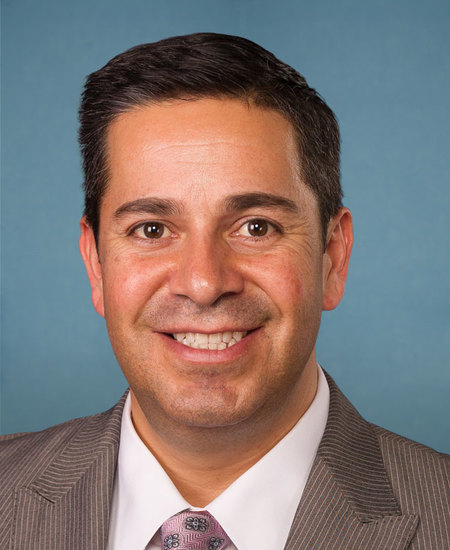
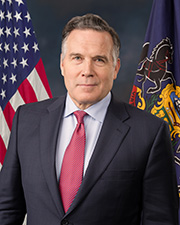
November 16, 2026 WASHINGTON, DC – As reported in POLITICO’s Morning Money , Senators Angela Alsobrooks (D-Md.), Catherine Cortez Masto (D-Nev.), Mark Warner (D-Va.), and Ruben Gallego (D-Ariz.) are demanding answers after the Securities and Exchange Commission (SEC) published its September 17, 2026 Order exempting tokenized stocks from securities laws without public input. The SEC’s Innovation Exemption invites confusion for investors and corporations alike, evidenced by over sixty public companies declining to participate in the Order’s framework. The Innovation Exemption as drafted lacks clarity in the application of the illicit finance, market integrity, and investor protection rules that make America’s capital markets the envy of the world. In a letter to SEC Chairman Paul Atkins, the Senators request answers to and more public engagement involving these questions. “We share the goal of ensuring U.S. capital markets and investors benefit from new technology—including through faster settlement, modernized recordkeeping, and broader access—and consider the Exemption with the most important shared principle: a tokenized security is a security. We are concerned the Exemption lacks clarity in three crucial areas that, if unaddressed, could undermine the integrity of our capital markets and threaten public companies and investors alike,” wrote the lawmakers. “As of this writing, over sixty public companies (“issuers”) have objected to their shares being tokenized. Issuers may object within 30 days of notification by a [Tokenized Securities Venues (TSV)] of an intent to tokenize and list their stock. There is no apparent way for issuers to lodge a standing objection against their stock being tokenized; to object after the 30-day window closes; or to ever rescind consent. There is also no apparent consideration of how an opt-out, rather than opt-in, regime could burden small public companies lacking the compliance and legal resources to monitor and respond to every third-party’s attempt to tokenize their stocks,” continued the lawmakers. Read the full text of the letter here or below: Dear Chairman Atkins: We write regarding the Commission’s September 17, 2026 order (“the Exemption”) granting temporary exemptive relief to Tokenized Securities Venues (“TSVs”) to trade tokenized stocks. We share the goal of ensuring U.S. capital markets and investors benefit from new technology—including through faster settlement, modernized recordkeeping, and broader access—and consider the Exemption with the most important shared principle: a tokenized security is a security. We are concerned the Exemption lacks clarity in three crucial areas that, if unaddressed, could undermine the integrity of our capital markets and threaten public companies and investors alike. Most significant, the Exemption leaves vague how illicit finance protections, including Anti-Money Laundering (AML), Know-Your-Customer (KYC) and Counter-Terrorism Financing (CFT) protections, apply to tokenized equity trading. Beyond requiring a TSV to be a U.S. person subject to OFAC sanctions, the Exemption sets no identity-verification standard and does not require an AML program. The Exemption requires a TSV to disclose “applicable AML/CFT requirements” but leaves unknown which requirements are applicable and whether compliance is mandatory. The Exemption does not make TSVs a financial institution under the Bank Secrecy Act or impose an actual AML program. Finally, the Exemption requires TSVs to permission access to trading but does not require transfer restrictions in smart contracts at the token level. As a result, a tokenized equity purchased by a verified individual could be transferred to an unverified wallet, including one held by a foreign person or illicit actor, beyond the reach of the U.S. regulatory perimeter. As of this writing, over sixty public companies (“issuers”) have objected to their shares being tokenized. Issuers may object within 30 days of notification by a TSV of an intent to tokenize and list their stock. There is no apparent way for issuers to lodge a standing objection against their stock being tokenized; to object after the 30-day window closes; or to ever rescind consent. There is also no apparent consideration of how an opt-out, rather than opt-in, regime could burden small public companies lacking the compliance and legal resources to monitor and respond to every third-party’s attempt to tokenize their stocks. Further, neither the public nor issuers can readily identify in a consolidated, searchable way, all of the potential venues where TSVs have filed notices of intentions to tokenize stocks, and all of the venues where the stock tokens for an issuer may be traded. Finally, we consider the effects on investors. Retail investors may seek to purchase tokenized equities directly from a TSV, without any broker-dealer intermediary. Though a tokenized equity under the Exemption would be “deemed to provide the same rights and privileges” as a holder of the underlying stock, the Exemption leaves vague which core investor protections could apply to the accounts or trading activities in this scenario, including regulations related to advertising, a requirement for best execution of trades, Securities Investor Protection Corporation insurance coverage, and other consumer protection rules. For example, platforms can operate without complying with Regulation NMS, which means TSVs are not required to display their best prices to traders and are not required to report trades to the rest of the market in real time. These protections help ensure that investors receive competitive prices and can be confident that they are getting a fair deal. Given the Exemption took effect immediately—with public and stakeholder comment invited afterward—companies and investors have a right to greater transparency about the Commission’s next steps as they decide how to respond. Though tokenization may well improve efficiencies in the market and broaden access, long-term success relies on investors and issuers trusting that this new regulatory regime upholds the safeguards that make the U.S.’s capital markets the envy of the world. We respectfully request that you pursue any changes to the regulatory treatment of tokenized securities through a transparent rulemaking process and that you consider and respond to the following questions within thirty days. Which AML/KYC/CFT requirements does the Commission consider “applicable” to a TSV that is not a registered broker-dealer or bank? How will the SEC enforce compliance of the applicable AML/CFT requirements? Why does the Exemption not require transfer restrictions at the token level to ensure that tokenized equities remain with verified holders after leaving the TSV? Once a tokenized equity moves from a verified participant to an unverified or offshore wallet, which regulated entity is responsible for it? Does the Commission have the tools and legal authority to trace, freeze, or recover such tokens, and if not, should it require that tokenized NMS stock traded on a TSV be capable of being frozen or recovered? Given that the exemption relies on TSV’s own disclosures and self-verification, how does the SEC plan to verify the accuracy of those disclosures and enforce the conditions attached to the exemption? Can an issuer withdraw an objection to its stock being tokenized by a TSV? Conversely, can an issuer withdraw its consent to its stock being tokenized by a TSV? Will the Commission consider the burdens and compliance costs for small public issuers to respond to numerous TSV requests? Will the SEC reduce the burden on public companies by retaining a central public repository to track TSV requests? Will the Commission allow an issuer to file a single standing objection that applies across all TSVs, or requiring an issuer’s affirmative consent before third-party tokens of its stock may trade? When an investor trades directly on a TSV, who owes that investor a duty of best execution? What does the holder of a tokenized equity legally own? What happens to holders if a third-party tokenizer becomes insolvent? How is the SEC ensuring the tokenized securities are appropriately backed and investors are getting what they pay for? How do entities tokenizing the securities have to custody the underlying asset? Before making the Exemption permanent, will the Commission commit to proceeding through notice-and-comment rulemaking? What data will the Commission collect and publish to evaluate the market’s response to the Exemption? Sincerely, Angela D. Alsobrooks United States Senator Mark R. Warner United States Senator Ruben Gallego United States Senator Catherine Cortez Masto United States Senator ###
2c90edc4-b4e2-4d11-8044-05351d1225d5Issued within 24 hours
Other senators' releases published in the day before or after this one.