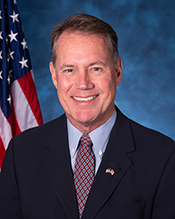
Key U.S. House Committee Approves Case's Bipartisan Bill To Combat Invasive Species
(Washington, DC) – U.S. Representative Ed Case (HI-01) announced that the U.S. House Natural Resources Committee (Committee) has unanimously approved his National Wildlife Refuge System Invasive Species Strike Team Act, which would significantly expand federal efforts to combat invasive species, responsible for severely impacting environments across the country. “Hawai‘i in particular faces unique challenges from invasive species. Our isolation has led to the evolution of many endemic species that are found nowhere else on Earth,” said Case, who formerly served six years on the House Natural Resources Committee and is in his eighth year on the House Appropriations Committee. “Unfortunately, these native species often lack the defenses to compete with or resist the pressures of invasive plants and animals, which can rapidly alter ecosystems and displace local species. “In Hawai‘i, invasive species have caused significant ecological damage, threatening the survival of native birds and plants. Protecting Hawaii’s unique biodiversity is not just an environmental necessity – it is a cultural imperative that reflects the identity and heritage of the Hawaiian people.” “For island communities like Guam, invasive species are more than an environmental concern—they threaten our native ecosystems, agriculture, economy, and way of life,” said Congressman James Moylan (R-Guam). “ Once an invasive species becomes established on an island, the cost of eradication can be enormous, and in many cases, the damage cannot be undone. This bipartisan legislation takes a proactive approach by strengthening rapid response and early detection efforts within our National Wildlife Refuge System. By investing in prevention today, we can better protect America’s natural resources, preserve our unique biodiversity, and reduce far greater costs in the future.” "We are pleased with the passage of this measure that prioritizes funds and measures towards early detection through identifying, reporting, and eradicating invasive species and the harm it causes in the National Wildlife Refuge System lands and waters and its surrounding areas,” said Jonnetta "Jonee" Leina'ala Peters, Executive Director of the Conservation Council for Hawai‘i . “Early detection is critical in protecting endangered and threatened species. This is also a major step in eradicating invasive species that harm animals, humans, food sources, and the economy." “Invasive species are putting increased pressure on native wildlife and are especially damaging across our national wildlife refuges,” said Jill Feldhusen, senior manager of wildlife policy at the National Wildlife Federation. “By establishing dedicated, regional strike teams, this bipartisan bill helps refuges respond more rapidly to invasive species threats before they cause lasting harm. Thank you, Representative Ed Case, for reintroducing the National Wildlife Refuge System Invasive Species Strike Team Act and broadening the impact of cross-jurisdictional collaboration. Case continued: “Invasive species are not just a localized problem; they pose a significant threat to the integrity of our natural world. Addressing this crisis requires a coordinated and comprehensive approach, focusing on prevention, early detection, and effective management strategies to safeguard our vulnerable ecosystems. “This legislation will codify the existing Invasive Species Strike Teams program currently operated by the U.S. Fish and Wildlife Service (FWS). These specialized teams play an essential role in managing emerging invasive species, employing strategies tailored to local conditions across the National Wildlife Refuge System. With multiple teams strategically positioned in all nine FWS regions across our country, they are on the front lines, addressing the unique challenges posed by invasive species.” Case said formally establishing the Invasive Species Strike Teams program will create a stable and legally supported framework to ensure consistent funding and enhance management efforts. The act also signifies a transformative shift within the FWS, moving from a reactive, species-by-species approach to a more strategic, ecosystem-wide framework for managing emerging invasive species. “The act also mandates enhanced coordination and reporting through integrated systems and standardized procedures, ensuring transparency and enabling us to track progress with annual reports to Congress and the public,” said Case. “Furthermore, it authorizes $10 million annually from Fiscal Year 2027 through 2033 to support ongoing initiatives.” Case introduced the measure after federal invasive species experts toured O‘ahu to research the effects of invasive species on island communities. The bill also directs these experts to produce a report summarizing the Strike Teams’ work and advising how they can continue to help Hawai‘i and island territories. Following approval by the Committee, the measure awaits action by the full House. Text of the measure is here . ###
3107f4fc-657b-426b-852f-322449ad1ee5Issued within 24 hours
Other senators' releases published in the day before or after this one.