RELEASE: On the Heels of Weekend Attacks, Gottheimer, Fong Announce Bipartisan Legislation to Strengthen Government Cyber Defenses
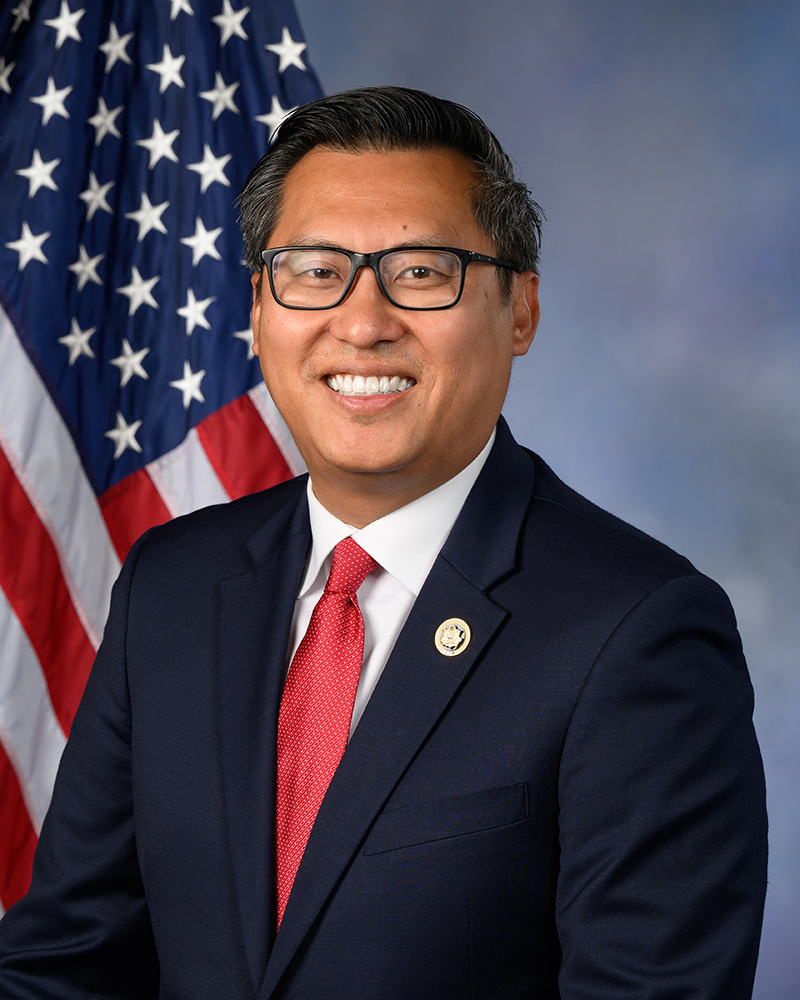
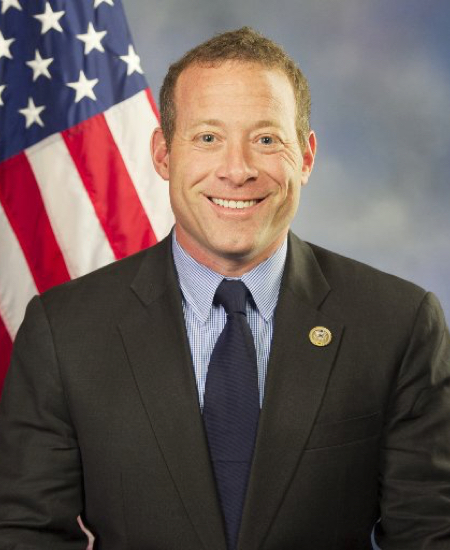
Resources / Press Share on RELEASE: On the Heels of Weekend Attacks, Gottheimer, Fong Announce Bipartisan Legislation to Strengthen Government Cyber Defenses Gives CISA the Additional Capacity Needed to Stop Cyber Attacks Nov 18, 2026 Press WASHINGTON, DC — Today, Wednesday, November 18, 2026, on the heels of last week’s attacks, Congressman Josh Gottheimer (NJ-5) and Congressman Vince Fong (CA-20) announced the bipartisan BRIDGE AI Act, new federal legislation to help the Cybersecurity and Infrastructure Security Agency (CISA) bring in additional AI expertise to secure American critical infrastructure. Watch Gottheimer’s remarks here . “Our adversaries are using AI to attack our networks faster than ever, and CISA, the agency on the front lines of defending them, doesn’t have enough capacity to keep pace,” said Congressman Josh Gottheimer (NJ-5). “The BRIDGE AI Act is a commonsense, bipartisan fix that gives CISA a fast way to bring in the best AI and tech minds to hunt down intruders, patch vulnerabilities, and stress-test AI tools before they are exploited. Protecting our families, our water systems, and our national security shouldn’t be a partisan issue, and I’m proud to partner with Congressman Fong to get this done.” “Communities and critical industries across the country are trying to keep up with the surge in AI-driven cyberattacks that steal sensitive data and disrupt operations,” said Congressman Fong (CA-20). “In the Central Valley, cyberattacks have increasingly targeted schools, hospitals, and water systems, threatening the critical services our communities depend on. These attacks are becoming more frequent and sophisticated. These threats are real, and they aren’t waiting for the government to catch up. By bringing in AI and emerging technology specialists from the private sector, the BRIDGE AI Act ensures our nation’s cybersecurity experts receive the additional tools and expertise needed to modernize our systems, address vulnerabilities, and protect the essential services Americans rely on.” Investing in the people securing our critical infrastructure will directly protect American families and our national security. Foreign adversaries, including China, Iran, and Russia, are using AI to find and exploit weaknesses in U.S. networks faster than ever. CISA is the agency responsible for defending federal networks and helping protect critical infrastructure, but it doesn’t have enough in-house AI expertise to keep up, and the Trump administration has repeatedly slashed the agency to the bone. Recent software outages of critical services, including the government’s classified systems, paired with this summer’s cyber attacks on municipal water systems in at least a dozen states underscore this urgent need. The BRIDGE AI Act creates a pilot program that lets experienced tech professionals serve inside CISA and speeds up onboarding, so experts can start helping bolster U.S. cybersecurity sooner. These new hires would work on specific projects with clear goals, including: Hunting for intruders in federal networks; Fixing known vulnerabilities faster; Testing AI tools for security flaws. The BRIDGE AI Act builds on Congressman Gottheimer’s role as Co-Chair of the House AI Commission, where he has worked to develop policies that protect American systems and critical infrastructure from the growing cybersecurity threat AI poses: The bipartisan AI Cyber Defense Act gives America’s critical infrastructure operators free access to the most powerful, cyber-capable AI models. The bipartisan Securing Our Critical Infrastructure Act creates a dedicated rapid-response and threat notification service at CISA, built specifically for small and medium water and electric utilities. Below: Gottheimer Announces Legislation to Strengthen Government Cyber Defenses. ### Share on
310fe706-e9be-467a-b87b-4e35ca4b876cIssued within 24 hours
Other senators' releases published in the day before or after this one.