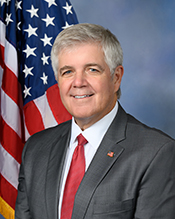
Joyce Introduces Bipartisan Legislation to Support Multigenerational Families
Resources / Press Share on Joyce Introduces Bipartisan Legislation to Support Multigenerational Families Oct 01, 2026 Press WASHINGTON, D.C. – Today, Congressman Dave Joyce (OH-14) and Congresswoman Marilyn Strickland (WA-10) introduced the Multigenerational Housing Opportunities for Modifying Existing Structures (HOMES) Act. This legislation would provide a tax credit for homeowners who renovate their homes to accommodate an elderly family member, a family member with a disability, or a qualified family member who lives with the homeowner to provide care. The tax credit would help offset the cost of home modifications, such as installing handrails and stairlifts, widening doorways, and adding separate entrances, making in-home caregiving a more affordable option for families caring for aging relatives. The legislation would also expand the effective use of the existing housing stock and provide families with another option for caring for loved ones at home rather than requiring separate housing arrangements. “As a member of the Congressional Assisting Caregivers Today Caucus, I know how important it is to give families the flexibility to provide care without leaving the homes and communities they know,” said Congressman Joyce . “The Multigenerational HOMES Act would help families adapt their existing homes to meet their changing needs, making it easier for loved ones to live together while making better use of our existing housing stock. By giving families more options to share a home and care for one another, we can reduce the costs and pressures of finding additional housing while empowering families to make the decisions that work best for them.” “This bill helps keep families under one roof at all stages of life if they choose to care for their aging family members,” said Congresswoman Strickland. “The tax credit provides families with additional in-home care options.” “AARP, which advocates on behalf of nearly 125 million Americans age 50 and older, strongly supports the Multigenerational Housing Opportunities to Modify Existing Structures (Multigenerational HOMES) Act,” said Bill Sweeney, Senior Vice President of Government Affairs, AARP . “By helping offset the cost of these upgrades, the Multigenerational HOMES Act would reduce financial strain on family caregivers, support safer and more accessible living environments, lessen reliance on costly institutional care, and enable more Americans to age with dignity, independence, and the support of loved ones.” “The Multigenerational HOMES Act would provide a tax credit for homeowners to make renovations that accommodate family members with accessibility needs or disabilities. Caregivers face many challenges, and supporting their ability to keep loved ones together under one roof is both important and beneficial,” said Bill Owens, Chairman, National Association of Home Builders. “Families live and care across generations, even when our homes and public systems are not designed that way. The Multigenerational HOMES Act would help families create safer, more accessible homes where older adults, people with disabilities, caregivers, and loved ones of every age can remain connected and supported. This is prevention through connection – and a practical investment in family stability, independence, and dignity,” said Kristen Kiefer, Executive Director, Generations United. Background: As the U.S. population ages, more families are seeking ways to safely accommodate older relatives and family members with disabilities while allowing them to remain in their homes and communities. The majority of older adults prefer to age in place, but much of the nation’s housing stock is not equipped to meet changing mobility and accessibility needs. According to AARP’s 2024 Home and Community Preferences Survey, 75 percent of adults age 50 and older want to remain in their current homes as they age, while 43 percent expect they will need to make modifications to their homes to do so. Among those anticipating modifications, the most commonly identified needs include bathroom improvements and improved access into and throughout the home. The need for these improvements is particularly significant for older adults and individuals with disabilities. Analysis from the Department of Housing and Urban Development of the American Housing Survey found that 19 percent of U.S. households included an individual with an accessibility need, while 13 percent included someone who uses a mobility-assistive device. Yet accessible features remain uncommon across the existing housing stock. Only about 10 percent of homes are considered fully prepared for senior living, meaning they have features such as a step-free entrance, a bedroom and bathroom on the first floor, and basic bathroom safety features. The Multigenerational HOMES Act would help families by reducing the cost of renovations needed to accommodate an older family member, an individual with a disability, or a family member providing
339231ce-9297-49b1-8b28-71044863beb8Issued within 24 hours
Other senators' releases published in the day before or after this one.