Cassidy Delivers Floor Speech Urging Congress to Make Flood Insurance Affordable Again
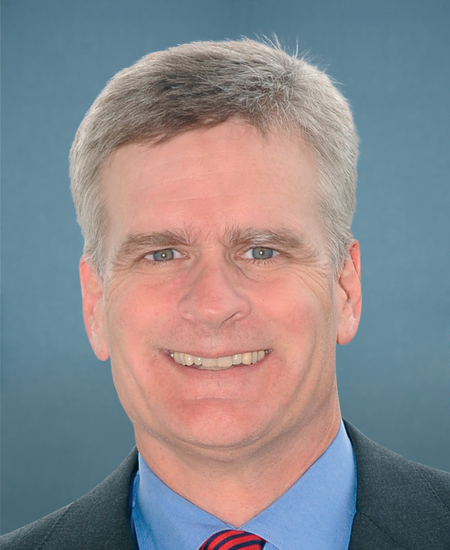
WASHINGTON – U.S. Senator Bill Cassidy, M.D. (R-LA) delivered a speech on the U.S. Senate floor highlighting the growing flood insurance affordability crisis ahead of hurricane season and calling for long-term reform of the National Flood Insurance Program (NFIP). He urged colleagues to address rising costs driven by the Biden-era Risk Rating 2.0 policy and act before the next storm threatens Louisiana families. “Every year, more and more people have to drop their National Flood Insurance Program coverage because it is too expensive and too unreliable, so this is about making flood insurance affordable again,” said Dr. Cassidy. “I tell folks, I wake up every morning and think about how to make life better for the people of my state and my country, and I can tell you that reliable, accountable, affordable flood insurance is part of that,” continued Dr. Cassidy. Cassidy’s remarks as prepared for delivery are below: Madam President, Hurricane Season is less than three weeks away. Three. Weeks. We’ve got to act now to make flood insurance affordable again before it’s too late. Last year, thankfully, no hurricanes hit Louisiana. Now, no hurricanes hitting my state—that’s good news for everybody in Louisiana! But especially for homeowners who do not have flood insurance. Every year, more and more have to drop National Flood Insurance Program coverage because it’s too expensive and unreliable. Between 2022 and 2024, 70 THOUSAND people in Louisiana dropped coverage. Last year, another 52 THOUSAND did the same. Why? They need it. They try to be responsible. They can’t afford it! They’re being priced out of flood protection by the rising costs of a post-Biden era flood insurance program. Under Joe Biden, FEMA implemented Risk Rating 2.0 as a new risk assessment program, despite Congress never signing off. Since 2023, rates have increased, making people’s flood insurance premiums so high they just cannot afford it. They cannot pay their mortgage if they pay their flood insurance premium. Mr. President, these are hardworking families just trying to do the right thing, having to choose between paying their mortgage, buying food, taking care of their kids, and having flood insurance. They would like to have flood insurance. They would like to go to sleep at night knowing that they are protected if some terrible flooding event occurs. For example, in 2016, a 46-foot river crest swept the land completely out from underneath a Cypress Point home, even though they elevated it above the base Flood Elevation. This is a family doing everything right, but a natural disaster still wiped out their home. It would be great if they had flood insurance. But it’s possible they can’t afford it. So, if Congress has the power to guarantee reliable flood insurance that people can afford, why don’t we? Instead, nearly one-fifth of folks in Louisiana on the National Flood Insurance Program—nearly a hundred thousand—can no longer afford their insurance. By the way, this is a problem nationwide. Millions of Americans across the nation rely on the National Flood Insurance Program. They’re all getting pounded by Risk Rating 2.0. I’m leading a group of Republicans who, last year, tried to end the policy. I recently followed up with FEMA, asking that they be urgent in addressing the harm Risk Rating 2.0 is doing to the flood insurance program for people in Louisiana and across the nation. I understand, as does President Trump, that the American people need to be able to afford every day goods. And right now, they cannot afford flood insurance. In 2019, President Trump and I worked together to delay Risk Rating 2.0 for a year. Let’s do that again, but let’s make it permanent. The American people need flood insurance which is affordable and also reliable. Right now, the NFIP relies on Congress to both fund and authorize the program. Fund, meaning that if funding is ever withheld by Congress—like the Democrats have done multiple times this Congress—the National Flood Insurance Program cannot operate effectively, leaving millions of Americans hanging in uncertainty. Now, Congress must vote every year to reinstate the program. I introduced legislation to automatically extend the program to operate during a lapse in authorization—so it can still issue policies, renew contracts, pay claims, and access funding. Coverage should be there, whether politicians decide to get their act together or not. Congress needs to act, and soon. In the meantime, federal support is critical. In President Trump’s first administration, he created a program called BRIC—short for Building Resilient Infrastructure and Communities. The BRIC program provided cost- and life-saving grants that Louisiana benefited from. President Trump’s second administration assured me they would release more BRIC funds, and I’m pleased to say, FEMA just announced that a new round of BRIC funding has been released—1 BILLION dollars to help states impacted by natural disasters. Louisiana will certainly benefit. I have been fighting consistently to get this done, and I’m pleased that it has. But as much as we need recovery assistance, we in Louisiana know that the best way to lower the cost of flood insurance is by making sure you don’t flood in the first place. That’s why, through my work negotiating the Infrastructure Investment and Jobs Act, our state has gotten hundreds of millions for flood mitigation and coastal restoration. This is a bargain for the federal taxpayer, because it’s easier and cheaper to prevent a flood than it is to pick up the pieces afterward. One example is if you go from Kenner to Baton Rouge, and you pass LaPlace, you’ll see construction on a huge flood control structure, which I toured last August. That has received over a BILLION dollars, which I’ve obtained to prevent those people from flooding and to prevent the National Flood Insurance Program from having to pay out a benefit. I’m a doctor. I know that an ounce of prevention is worth a pound of cure. In this case, 1.2 BILLION dollars for prevention is worth maybe 70 billion in recovery. Go to Terrebonne or Lafourche Parish, and you’ll go by the Morganza to the Gulf levee project. This is a project with tremendous local support, for which I’ve been able to get 615 MILLION dollars through the infrastructure bill and other mechanisms, including a funding package recently signed into law by President Trump. And you know the positive impact of this? Even before completion, when Hurricane Ida came, they said there were 10 THOUSAND homes that did not flood. That’s ten THOUSAND claims that did not have to be paid. 10 THOUSAND homes that did not need to be cleaned out. That saved the taxpayer money, aside from the fact that those families were able to continue working, going to school, living as usual, keeping our society and our economy running. I find that moms rest easier knowing their families will stay safe and dry when the next storm comes. The funding I am delivering gives her that peace of mind. And there is more to come. I wake up every morning, and I think about how to make life better for the people in my state and in my country. I can tell you: reliable, accountable, affordable flood insurance makes life better. That’s what I’m working towards as I continue sending tax dollars back to my state for flood prevention. ###
3771fc66-b9d0-4e4a-8895-10a749d5bbfeIssued within 24 hours
Other senators' releases published in the day before or after this one.