WATCH: In SASC Hearing, Kelly Says Rushed Iran War with No Strategic Plan Left Navy Unprepared
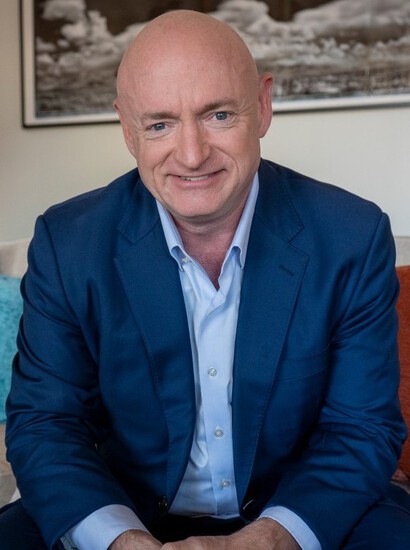
During a Senate Armed Services Committee (SASC) confirmation hearing , Arizona Senator and Navy combat veteran Mark Kelly (D-AZ) pressed William Toti, nominee for Under Secretary of the Navy, on why the Navy was not prepared for Iranian missile and drone attacks on its primary logistics hub in Bahrain. Kelly said President Donald Trump and Secretary of Defense Pete Hegseth took the country into war with Iran without a clear strategy, and that the Navy must learn from it. Kelly opened by asking why the Navy wasn’t ready after Iranian strikes damaged its base in Bahrain: “This vulnerability was not a surprise. We’ve long known adversaries could target the port’s fuel supplies and repair facilities that the Navy depends on. So, why wasn’t the Navy better prepared to sustain operations after losing access to a critical logistics hub? What contingency plans were in place and why weren’t they sufficient?” Kelly pointed to the White House’s timeline and the lack of a strategic goal as the reason the Navy was caught unprepared: “It seems that the President wanted this to happen on a timeline that was not conducive to the preparation we would need. […] I did not agree with getting into a war with Iran. I think the President got into this without a strategic goal. He had a plan that was probably developed by the Secretary of Defense, who, in my opinion, that plan was not consistent with anything that made sense to me, having experience doing this.” Kelly said the Administration’s lack of planning has left it with no path forward, and that the Navy must learn from it: “For that reason, the Administration right now is stuck, does not know what to do. We need to be better at planning scenarios, and we need to be thinking ahead. And that did not happen in this case.” Sen. Kelly questions William Toti during a SASC hearing. Click here to download a video of Kelly’s remarks. See the transcript below: Senator Kelly: Thank you, Mr. Chairman. Mr. Toti, one of the clearest lessons from the war with Iran is how vulnerable our forward deployed logistics infrastructure is to missile and drone attacks. Iran strikes on the Navy base in Bahrain severely damaged the primary logistics hub in the region, forcing the Navy to shift sustainment operations to more distant locations, including Diego Garcia. That is significantly complicated our ability to resupply ships operating in the region. I talked about this with Hung Cao a little bit yesterday, the impacts of that. But this vulnerability was not a surprise. We’ve long known adversaries could target the port’s fuel supplies and repair facilities that the Navy depends on. So, why wasn’t the Navy better prepared to sustain operations after losing access to a critical logistics hub? What contingency plans were in place and why weren’t they sufficient? Mr. William J. Toti: Senator, first, thank you for your leadership in logistics in general and the merchant fleet in particular. As a World War Two guy, historian guy, I understand the lessons learned, the lessons well. We are learning a lot of lessons from the war with Iran. The vulnerability that you speak of shore-based infrastructures is equally true in the Pacific, as you well know, Senator. And so, it’s something we need to understand and learn from. We certainly have thought these things through, as it pertains to the Pacific. And so, we will continue to learn these lessons and continue to develop— Kelly: What is the lesson? Toti: Lesson is we need multiple ways of achieving the same outcomes, Senator. Kelly: So, in the case of— why don’t you talk for a second, what’s the status of the naval support activity in Bahrain? Toti: I think it’s already been reported that it is it has been damaged. I do not— Kelly: Do we have personnel there? Toti: We had personnel there. Kelly: Do we have any operations there at all? Toti: Senator, I stood down as the Under Secretary on September 14th. I’m not currently apprised of the status. And so, I don’t know the truth on that issue, but I will find out and I’ll bring you the answer. Kelly: So, it certainly was in range of Iranian weapon systems. I think it’s fair to say we were not prepared for attacks from the Iranian missiles and drones that hit the base there. Why wasn’t the Navy more prepared? Was it that the white House didn’t give the Navy enough time? Did this? Did this operation start too quickly? It seems that the President wanted this to happen on a timeline that was not conducive to the preparation we would need. Would you agree with that? Toti: Senator, I’ve been nominated for the position of Under Secretary of the Navy. As you know, the operational planning is not part of the portfolio of the Under Secretary of the Navy. So, truthfully, I was not involved in the process and couldn’t answer with any real integrity. Kelly: But would you agree that we were not prepared at the Navy base in Bahrain? Toti: I will certainly agree that we can learn from these lessons and do better the next time. Kelly: So, as we think of the Western Pacific, what do you think we should take from what happened in CENTCOM with the base in Bahrain and our logistic challenges, and how do we apply to that them to a conflict if we were to get in a conflict with the Chinese? Toti: Senator, we have place already plans to improve our logistic support with ships like landing ship medium. We do need more auxiliary ships, as you well know, sir, you’ve been leading on that issue. And by having mobile logistic forces as opposed to fixed logistic forces, we very much complicate the calculus of any adversary that we might face. Kelly: Well, getting logistics across a 5500-mile ocean is going to be a challenge. I’ve talked about that a lot with our sealift capacity. We’re down to U.S.-flagged oceangoing merchant ships with U.S. crews; we’re down to 80. The Chinese have over 5,000. It is a national security imperative to rebuild that fleet. We have the Military Sealift Command, but I think, as folks understand what we have in the inventory on day one of a war is not the same if you’re three or six months in. So, I appreciate you working with us to try to improve the situation here but I also think we need to do a better job of preparing our bases, our forces, when we know there is an imminent conflict, and I did not agree with getting into a war with Iran. I think the President got into this without a strategic goal. He had a plan that was probably developed by the Secretary of Defense, who, in my opinion, that plan was not consistent with anything that made sense to me, having experience doing this. And for that reason, the Administration right now is stuck, does not know what to do. We need to be better at planning scenarios, and we need to be thinking ahead. And that did not happen in this case. Thank you, Mr. Chairman.
38bcf17e-22de-424c-bf1f-fe05f7bc8956Issued within 24 hours
Other senators' releases published in the day before or after this one.