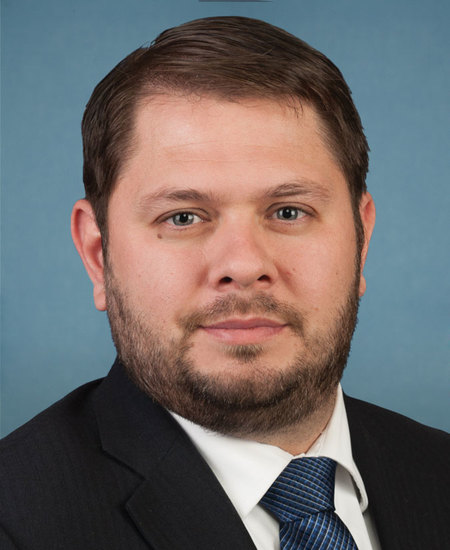
Kelly, Cornyn Introduce Bill to Improve Groundwater Research Along the U.S.-Mexico Border
Today, Senators Mark Kelly (D-AZ) and John Cornyn (R-TX) introduced the Transboundary Aquifer Assessment Program Act (TAAP) , a bipartisan, bicameral bill to reauthorize and expand the federal program supporting binational research on groundwater security, quantity, and quality in U.S.-Mexico border communities. Many border communities rely on transboundary aquifers for drinking water, agriculture, and industry, but critical information on water availability and quality remains incomplete. The Transboundary Aquifer Assessment Program (TAAP)—originally authorized in 2006—allows for collaboration between U.S. and Mexican agencies and universities, including the University of Arizona, New Mexico State University, and Texas A&M, to improve groundwater data and management. “Communities along the U.S.-Mexico border depend on shared groundwater resources for drinking water, agriculture, and economic growth. But too often, we don’t have the information we need to fully understand and manage these aquifers,” said Kelly . “Reauthorizing this program will strengthen the research and data that help communities make informed decisions and improve water security on both sides of the border.” “Transboundary aquifers are essential to the success of our nation’s agriculture industry and vital to the wellbeing of Texans living along certain portions of the U.S.-Mexico border, but we don’t have all of the information we need to responsibly utilize this critical water source,” said Cornyn . “By reauthorizing the United States-Mexico Transboundary Aquifer Assessment Program, we will be able to ensure access to these aquifers so they can support communities for years to come.” The house version was introduced in the House by Rep. Juan Ciscomani (R-AZ-06) and has already passed the House Natural Resources Committee. Click here to read the bill text.
3c4aaaed-9ef3-486c-bd54-0a7392b43914Edit history (1 prior version)
This release was edited after publication. Earlier captures are preserved below.
- Captured Jun 23, 2026, 5:35 PM EDT
Show prior body text
Today, Senators Mark Kelly (D-AZ) and John Cornyn (R-TX) introduced the Transboundary Aquifer Assessment Program Act (TAAP) , a bipartisan, bicameral bill to reauthorize and expand the federal program supporting binational research on groundwater security, quantity, and quality in U.S.-Mexico border communities. Many border communities rely on transboundary aquifers for drinking water, agriculture, and industry, but critical information on water availability and quality remains incomplete. The Transboundary Aquifer Assessment Program (TAAP)—originally authorized in 2006—allows for collaboration between U.S. and Mexican agencies and universities, including the University of Arizona, New Mexico State University, and Texas A&M, to improve groundwater data and management. “Communities along the U.S.-Mexico border depend on shared groundwater resources for drinking water, agriculture, and economic growth. But too often, we don’t have the information we need to fully understand and manage these aquifers,” said Kelly . “Reauthorizing this program will strengthen the research and data that help communities make informed decisions and improve water security on both sides of the border.” “Transboundary aquifers are essential to the success of our nation’s agriculture industry and vital to the wellbeing of Texans living along certain portions of the U.S.-Mexico border, but we don’t have all of the information we need to responsibly utilize this critical water source,” said Cornyn . “By reauthorizing the United States-Mexico Transboundary Aquifer Assessment Program, we will be able to ensure access to these aquifers so they can support communities for years to come.” The house version was introduced in the House by Rep. Juan Ciscomani (R-AZ-08) and has already passed the House Natural Resources Committee. Click here to read the bill text.
Issued within 24 hours
Other senators' releases published in the day before or after this one.