Gallego Backs Legislation to Protect Firefighters from Harmful Chemicals
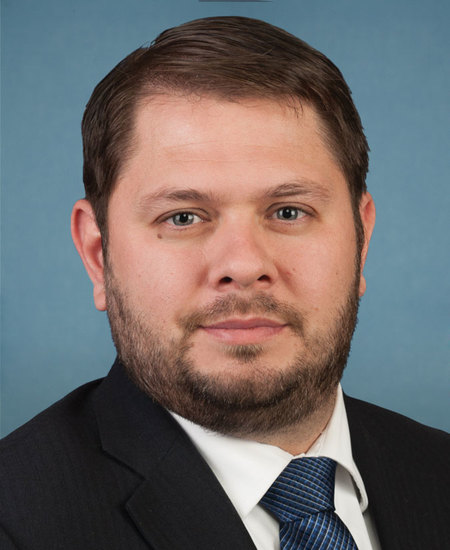
WASHINGTON – Senator Ruben Gallego (D-AZ) is backing the Protecting Firefighters and Advancing State-of-the-Art (PFAS) Alternatives Act , legislation to support the development of next-generation, PFAS-free protective gear to better protect firefighters from the dangers of their work. “Firefighters run towards danger to keep Arizonans safe – the gear they wear and the equipment they use should never put them at risk,” said Senator Gallego . “I’m proud to back this bill to ensure we’re doing everything we can to protect our brave first responders from harmful forever chemicals.” Firefighters are exposed to carcinogens when they respond to virtually every type of fire or incident. This includes PFAS, also known as forever chemicals, which can be found in firefighters’ turnout gear, firefighting foams, and in the smoke and air firefighters breathe. Exposure to PFAS is linked to an array of health problems, including various cancers, kidney disease, reduced immune function, and reproductive challenges. Tragically, cancer is the leading cause of line-of-duty death in the fire service. Because of their occupational exposure to carcinogens, including PFAS chemicals and other toxins in their own protective gear, firefighters are nearly 10% more likely to develop cancer and almost 15% more likely to die from cancer than the general population. And despite advances in research and materials science, there is no protective gear currently available to firefighters that is proven to be completely hazard-free. The PFAS Alternatives Act helps address this by creating a new grant program dedicated to the research, development, and testing of turnout gear that maintains effectiveness while improving firefighter safety. Specifically, the PFAS Alternatives Act will: Establish a grant program within the National Institute for Occupational Safety and Health (NIOSH) to fund the research, development, and testing of next-generation, toxin-free turnout gear; Ensure that such research is done by, and in collaboration with, firefighters and entities that understand the unique demands that firefighters face; Authorize up to $25 million in Fiscal Year 2027 (FY27) through FY31 for that research, development, and testing; and Authorize an additional $2 million for FY28-FY32 for the development and dissemination of best practices and trainings to ensure that firefighters are equipped with the knowledge to ensure that the next-generation turnout gear is as effective as possible at reducing their risk of potentially harmful exposures. The PFAS Alternatives Act is led by Senators Martin Heinrich (D-NM), Deb Fischer (R-NE), Peter Welch (D-VT), and John Curtis (R-UT). The PFAS Alternatives Act is endorsed by the International Association of Fire Fighters (IAFF). “The science is clear. Toxic PFAS chemicals are contributing to alarming rates of cancer in the fire service, and we must do everything we can to reduce fire fighters’ exposure to these carcinogens – including in the gear we wear that is supposed to keep us safe. The PFAS Alternatives Act will accelerate the development of next-generation, toxin-free gear, and make sure fire fighters – not corporate interests – are at the center of research into the products we rely on for our safety. The 366,000 members of the IAFF are proud to support this bipartisan legislation, and we thank Sens. Curtis, Welch, Fischer, and Heinrich for their leadership on this critical issue,” said Edward Kelly, General President, International Association of Fire Fighters . A one-page summary of the bill is HERE . The full text of the bill is HERE . Last year, Senator Gallego introduced the bipartisan Federal Firefighters Families First Act to boost pay and benefits and improve working conditions for federal firefighters as well as the Expanding Health Care Options for First Responders Act to lower the Medicare enrollment age for first responders to 50. He is also a cosponsor of the Honoring Our Fallen Heroes Act , bipartisan legislation that will expand health care coverage and benefits for first responders who become permanently disabled from service-related cancers and the families of those who pass away from these cancers.
4348254a-9e03-435d-b1af-c2190472ba8aIssued within 24 hours
Other senators' releases published in the day before or after this one.