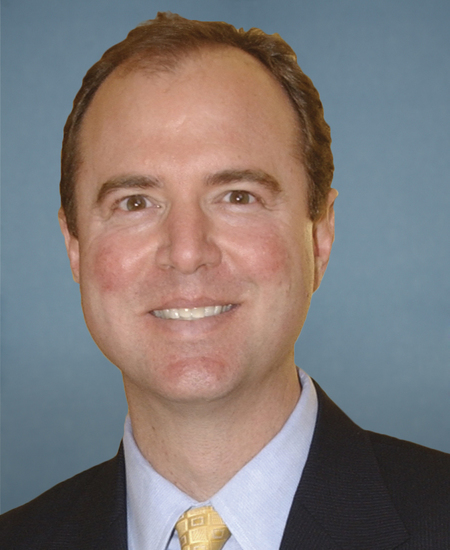
NEWS: Ahead of Vote on Senate Farm Bill, Sen. Schiff Releases New Reporting Highlighting Impact of Republican SNAP Cuts Making Food Insecurity Worse for Families
As a result of Trump Administration policies, including the One Big Beautiful Bill Act, more than 330,000 Californians lost food benefits, including more than 156,000 children. Washington, D.C. – Washington, D.C. – Ahead of another markup on the Senate Agriculture Committee’s Farm Bill, U.S. Senator Adam Schiff (D-Calif.) released a new report underscoring the harmful impact that Trump administration policies, including its signature legislative package, are having on food insecurity for California families and the need for a Farm Bill that helps address this and rising food costs. The current version of the Farm Bill set to be voted on today does not adequately address the deep cuts made by the One Big Beautiful Bill Act to the Supplemental Nutritional Assistance Program (SNAP), known as CalFresh in California. “As the cost of food in the United States soars, the Trump Administration’s continued attacks on proven federal food assistance programs are putting the health and prosperity of American families across the country in jeopardy. By purging millions of people from SNAP and other nutrition programs, the legacy of the Trump Administration and this Republican Congress will be one of increased hunger and more families struggling to make ends meet to keep food on their tables,” Schiff’s report says. To understand the impact of food prices in California, Senator Schiff and his staff visited and interviewed dozens of employees and volunteers at foods banks and their partners across the state. Their message was clear and concerning: more people need food assistance, and higher food prices coupled with regressive federal policies are squeezing families already struggling to put food on the table. Data in Schiff’s report show that SNAP participation fell by more than 4.5 million people since January 2025. In that same time period, more than 330,000 Californians have fallen off SNAP, including more than 156,000 children. From a California Constituent: “I am a parent in Tulare County, in a little town called Strathmore. It’s very small…losing funding is very scary for me, myself, and my family. I have two daughters, so everything’s very expensive alone, you know. And then getting SNAP cut is going to be very bad. . . .There’s months where I can only pay a certain amount of my bills because it’s so expensive, and we’re all struggling. My community is struggling.” Furthermore, the report highlights how President Trump’s Iran War and ongoing trade wars have driven food prices higher. Food price indexes measured a 3.0 percent increase from June 2025 to June 2026, and the overall price index increased 3.5 percent in that same period before seasonal adjustment. The report findings include: Under the Trump Administration, federal actions led to increased food insecurity for more than five million people in communities across California. Food banks and partners observed increased need by employed, middle-class families. Many people are frightened to seek food assistance because of the Trump Administration’s broad efforts to detain and remove immigrants. Higher food prices affected the purchasing power of both families and the food banks that serve them. Food prices are driving people and food banks toward less healthy options. The impacts of food insecurity are not partisan. The report makes several recommendations to ensure that all Americans have access to healthy and affordable food, including that: Congress should restore the nearly $187 billion made in cuts to SNAP through 2034 in the One Big Beautiful Bill Act . Congress should provide relief to states and families by imposing, at a minimum, a two-year delay in the benefit cost-shift to states. USDA must restore its local food programs. Congress should make these programs permanent and provide them with mandatory funding. Congress should increase investments to make healthy foods, such as fruits and vegetables, more widely available to schools, food banks and other institutions. This can be done through improving federal procurement and increasing funding for nutrition incentive programs. Senator Schiff’s full report can be found here. ###
4e2dd936-0fc2-45d2-a285-0bb1548a8e99Issued within 24 hours
Other senators' releases published in the day before or after this one.