Curtis, Colleagues Introduce Legislation to Protect Federal Wildland Firefighters
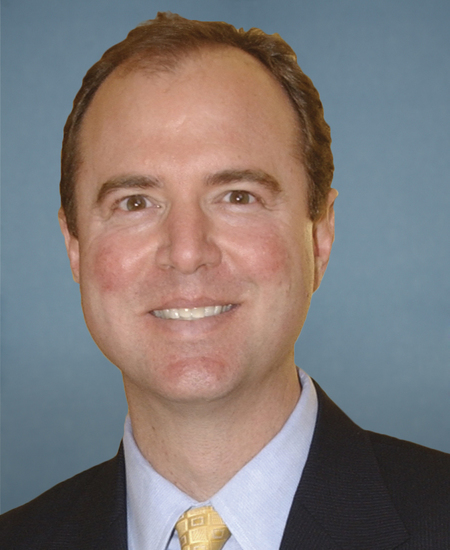
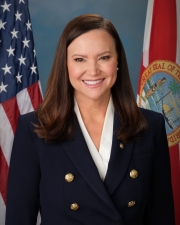
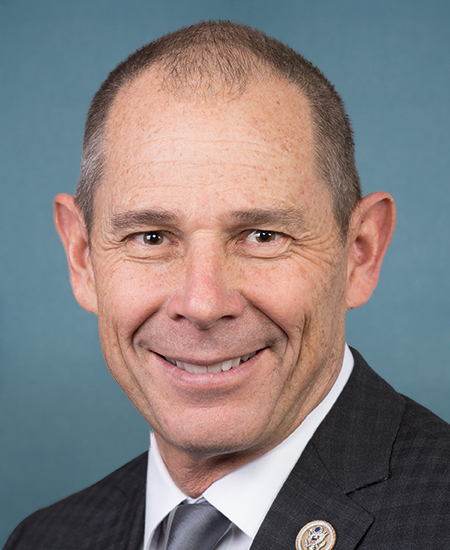
Bipartisan, bicameral bill addresses long-overdue gaps in health and safety protections that wildland firefighters receive WASHINGTON —U.S. Senators John Curtis (R-UT), Alex Padilla (D-CA), Tim Sheehy (R-MT), and Jeff Merkley (D-OR) announced the Wildland Firefighter Health and Safety Act , bipartisan legislation designed to reduce the long-term health risks wildland firefighters face from toxic exposures—such as smoke, particulates, and PFAS chemicals—while making it easier to receive medical benefits when injuries or illnesses occur. Companion legislation has also been introduced in the House of Representatives, led by Representative Maxine Dexter (D-OR). During a press conference, Senator Curtis joined the bill’s cosponsors, sharing a recent experience he had meeting with a Utah firefighter who recently received a cancer diagnosis likely attributed to exposure to harmful chemicals while on duty. He also pointed to Utah’s brutal wildfire season—including more than 1,000 fires and over half a million acres burned—and emphasized the need to better protect the men and women who put themselves in harm’s way to keep communities safe. Senator Curtis’ remarks at the press conference can be viewed here , and a transcript is provided below: I would like to point out to our constituents back home, who say Republicans don’t get along with Democrats, the House doesn’t get along with the Senate, that this is a great moment for all of us—and exactly what the people back home expect us to be doing. Now, let me just share some very quick stats. In Utah this year, Utah has had a brutal fire season. We’ve had over half a million acres burned. We’ve had over 1,000 fires. In fact, it’s 1,189 fires. Perhaps the most devastating statistic is that we’ve lost the lives of five firefighters in these fires that we’ve had. And, on a personal note, yesterday I had a good friend, who worked for me when I was the mayor of Provo in the fire department and now works for another department, share with me that he had cancer, which was likely attributed to the chemicals that he had to work with. This bill is a commonsense bill. It makes sense. We need to protect these people who do so much to protect us, who face danger. If you’ve ever been to the fire lines of these fires, they don’t have Marriott hotels, and they don’t even have Super 8s. These are rough conditions that these people operate in, and obviously dangerous conditions. I’m proud and honored to add my name to this bill, and grateful for the many men and women that sacrifice to keep Utah and the rest of our country safe. The full press conference is available here . The bill’s sponsors and cosponsors provided the following statements: “Utah’s wildland firefighters put their health and safety on the line every day to protect our communities. We owe it to them to look beyond the immediate danger and address the lasting impacts of smoke and other harmful exposures,” said Senator Curtis . “This bipartisan bill is a commonsense step toward giving our firefighters the protection and support they deserve.” “Every day, wildland firefighters face tremendous health risks at work, where they protect our communities, defend the environment, and save lives,” said Senator Padilla . “As California faces an increasing threat from devastating wildfires, we have a responsibility to make sure the heroes fighting these fires have the resources, safety equipment, and support needed to do their jobs safely. The Wildland Firefighter Health and Safety Act takes an important step toward closing longstanding gaps in health and safety protections, giving our wildland firefighters the equipment, resources, and support they need to stay healthy while they brave dangerous conditions to save lives.” “Wildland firefighters put their lives on the line every day to protect our communities,” said Senator Sheehy . “For too long, these brave men and women have been under-resourced and exposed to long-term health risks from smoke inhalation. Our bill tackles these problems head-on, leveraging expertise from federal agencies, medical experts, and wildland firefighters on the ground to test new respiratory technologies, reduce toxic exposures, and implement strong safety standards.” “As climate chaos fuels an even more ferocious fire season, our wildland firefighters are on the front lines, battling deadly blazes to protect our communities,” said Senator Merkley . “These heroes deserve adequate resources and strong protections from the dangers posed by smoke exposure and other contaminants. Our bipartisan Wildland Firefighter Health and Safety Act is critical to ensuring these firefighters get the support they need because they put their lives on the line to keep us safe, and it’s our job to step up to keep them safe.” “As a pulmonologist and critical care physician, I’ve cared for firefighters with acute smoke and burn injuries, as well as chronic lung disease and cancer caused by repeated smoke exposure,” said Representative Dexter. “It is devastating, and it is preventable. Our wildland firefighters deserve more than our gratitude—they deserve a government that protects them as fiercely as they protect all of us. The Wildland Firefighter Health and Safety Act is legislation that will finally close critical gaps in protecting wildland firefighter health. It is built upon a simple principle: protecting firefighters’ health must be an operational priority, not an afterthought.” Background: Utah fire seasons typically begin in July and end in October. To date, Utah has experienced over 1,210 total wildfires with more than 560,679 acres burned and many still out of control. For nearly 30 years, federal agencies have had clear data showing the serious health risks wildland firefighters face on the job while working in dangerous conditions. Meanwhile, structural firefighters began using respiratory protection in the 1970s. The Wildland Firefighter Health and Safety Act is comprehensive legislation to be developed in partnership with firefighters, unions, and health experts to finally address the long-overdue gaps and ensure federal wildland firefighters have the support they need given the dangerous conditions of their work. Specifically, the Wildland Firefighter Health and Safety Act would: Establish a Wildland Firefighter Health Task Force and an Advisory Panel of outside stakeholders to coordinate exposure reduction, pilot respiratory technologies, and develop an updated Wildland Firefighter Health Strategy every three years; Require OSHA to issue an interim final standard for wildland firefighter health protection with a final standard within five years of the pilot report, and require paid duty time during operations to shower, decontaminate gear, and clean vehicles after smoke or PFAS exposure; Require cleaning for contaminated PPE, designated decontamination areas, and shower access at fire facilities; and Create a dedicated Office of Workers’ Compensation Programs claims unit with specialized training on firefighting exposures to reduce processing delays and increase coordination. The full text of the bill is available here , and a one-pager is available here . The Wildland Firefighter Health and Safety Act is supported by organizations such as National Federation of Federal Employees (NFEE);Grassroots Wildland Firefighters; the International Association of Firefighters; National Fire Protection Association; Alliance for Wildfire Resilience; Megafire Action; Firefighters United for Safety, Ethics, and Ecology (FUSEE); and FireGen Collaborative. “NFFE-IAM strongly supports the Wildland Firefighter Health and Safety Act and its commitment to safeguarding the health and well-being of federal wildland firefighters who put themselves in harm’s way to protect our communities and public lands,” said Randy Erwin, National President, NFFE . “Wildland firefighters face extraordinary occupational hazards, including toxic smoke, extreme heat, injuries, fatigue, and mental health challenges. They deserve the best available prevention, treatment, and protective technologies. Investing in their long-term health will save lives, retain experienced firefighters, strengthen workforce readiness, and help ensure these dedicated public servants can enjoy long, healthy lives after their service.” “Wildland firefighters and fire support personnel are exposed to a variety of hazards, including wildfire smoke, on the job. Understanding the significant impacts of these hazards, the Commission called for investments in the physical and mental health of fire personnel as well as improved mitigation techniques for wildfire smoke exposure,” said Annie Schmidt, Co-Founder and Managing Director, Alliance for Wildfire Resilience. “The Wildland Firefighter Health and Safety Act’s creation of a Federal Wildland Firefighter Health and Wellbeing Program makes an important and necessary investment in the health and safety of those who serve us all by responding to wildfires. We applaud Reps. Dexter and Gallagher as well as Senators Padilla, Merkley, Sheehy, and Curtis on their efforts to protect wildland fire personnel.” “Our firefighters put everything on the line to protect us, and they deserve the same commitment in return. This bill takes an important step toward ensuring firefighters get the healthcare, benefits, and long-term support they’ve earned,” said Matt Weiner, founder and CEO, Megafire Action. “Congresswoman Dexter is a leader on this issue and Megafire Action looks forward to advancing this long-overdue commitment to those who protect our communities.” “There is a huge gap between the safety risks and health hazards that wildland firefighters face, including risk of severe musculoskeletal damage and rare cancers, and the inadequate level of medical care they are provided. The Wildland Firefighter Health and Safety Act will go a long way towards narrowing this gap in their health care, providing support for crews whose work-related injuries and illnesses sometimes appear long after they’ve disengaged from the firelines,” said Timothy Ingalsbee, Executive Director, FUSEE .
62117cbe-8347-4b74-aaca-7079b8772cdeIssued within 24 hours
Other senators' releases published in the day before or after this one.