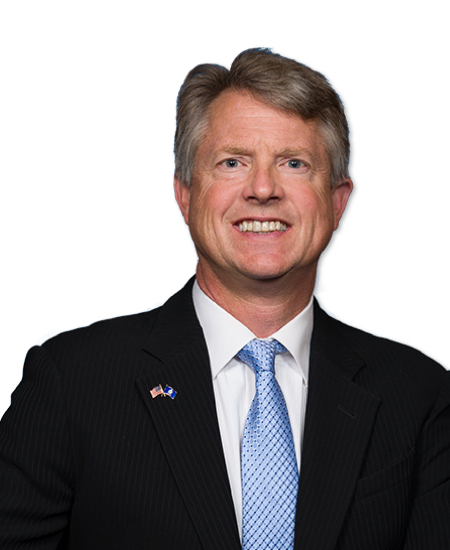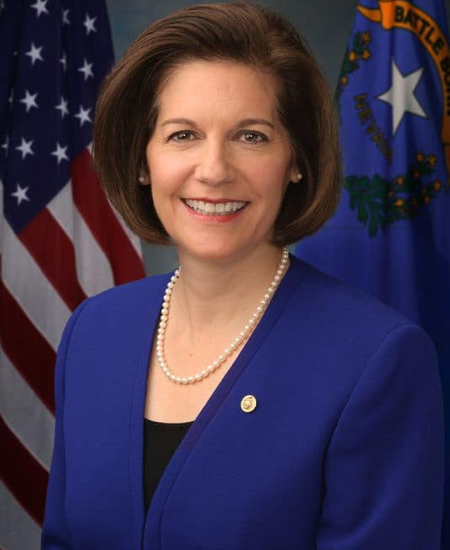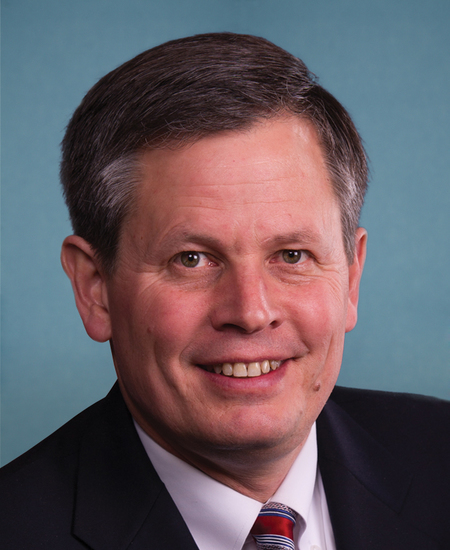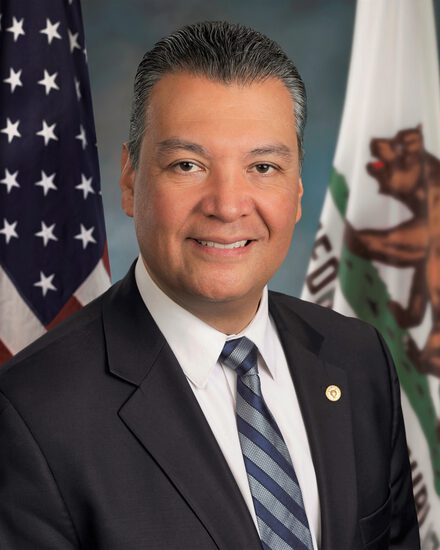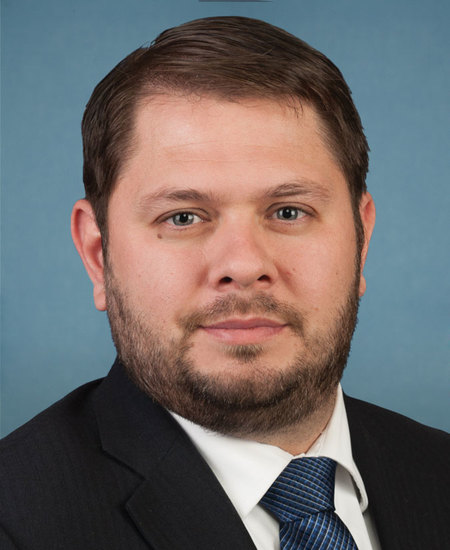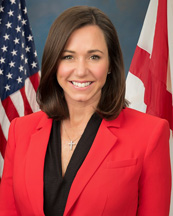
U.S. Senators Katie Britt, Chris Coons, James Lankford, Brian Schatz Introduce Bipartisan AI Safety and Transparency Legislation
WASHINGTON, D.C. — U.S. Senators Katie Britt (R-Ala.), Chris Coons (D-Del.), James Lankford (R-Okla.), and Brian Schatz (D-Hawaii) introduced the AI Systems Transparency Act (ASTA) , which would require AI companies to be more transparent with the public about what data their models are collecting from users, the safeguards they’ve put in place for children and adults, and the guardrails they’ve created to stop systems from going rogue or being used dangerously by bad actors. “Americans are understandably concerned with the rapid development of AI, and they deserve straight answers. We know that this technology is not slowing down, which is why it’s critical that AI companies provide transparency to both researchers and parents on how their systems work and address potential risks – especially risks related to America’s youth. I’m proud to join my colleagues in this effort to provide the American people visibility into how these systems are built, tested, and secured,” said Senator Britt . Under ASTA , the Federal Trade Commission (FTC) would have the power to enforce these transparency requirements, while ensuring that companies can continue to grow and innovate. “AI is rapidly evolving in ways that are radically reshaping our society and transforming our world and how we interact with each other, and Americans are rightfully concerned about what AI companies and their government are doing to protect against worst case scenarios,” said Senator Coons . “Companies must not be allowed to hand wave away these doubts without meaningful disclosures, safeguards, and oversight in place. Americans deserve to know what they are actually doing to place safety guardrails on large AI models, and that’s what this bipartisan bill will ensure.” “Trust has to be earned, and right now families are being asked to trust AI companies with very little information,” said Senator Lankford . “The AI Systems Transparency Act gives parents and consumers the straightforward answers on how these AI models are built and how they interact with America’s children. Transparency on innovation earns the public’s trust.” ASTA would apply to closed and open-source models. Additionally, It would establish criteria for the size and scope of companies over which the FTC would gain jurisdiction, require disclosure of information about structure and policies typically included on “model cards,” and require disclosure of preventative safeguards used for child safety, mental health, privacy, cybersecurity, disaster risk, and autonomous loss-of-control. “Recent reports of security incidents with AI models make transparency and oversight all the more urgent. Our bill requires disclosures that help both consumers and evaluators understand both the capabilities of and risks posed by these models and what companies are doing to keep people safe,” said Senator Schatz . The Senators’ legislation would also require disclosure of information relating to common violations of policies, companies to update all disclosures with each new model or substantial updates to an existing model, and both a consumer-facing disclosure and a disclosure that can be of use to independent researchers and evaluators. ASTA has been endorsed by Americans for Responsible Innovation and Encode AI. “Americans are increasingly relying on AI in their everyday lives, but the public has no visibility into how those systems are built and tested. We cannot rely on the word of AI companies alone that their products are safe – there must be evidence to back that up,” said Brad Carson, President of Americans for Responsible Innovation . “This bill will shed light on the proactive safety measures and potential risks of AI models so users can decide for themselves whether these systems are trustworthy.” “People deserve to know what AI companies are doing to keep them safe,” said Sunny Gandhi, Co-Executive Director of Encode AI . “The AI Systems Transparency Act would require meaningful public disclosures about AI capabilities and safeguards, including whether developers have evaluated serious risks such as loss of control.” The introduction of this bill builds upon several letters that Senators Britt, Coons, Lankford and Schatz sent in December 2025 to OpenAI, Microsoft, Google, Anthropic, Meta, Luka, Character.AI, and xAI, calling on these companies to improve transparency around the capabilities of their models and the risks they pose to users. Senator Britt has been a leading voice on setting AI and social media guardrails, specifically to protect adolescents online. She has introduced the GUARD Act , bipartisan legislation to protect minors from AI chatbots, and has sponsored a number of other bipartisan bills including the Stop the Scroll Act and the Kids Off Social Media Act . You can read the full text of the bill here and a one-pager on the bill here . ###
623279ff-cbfc-483c-b4bd-664c705c674aIssued within 24 hours
Other senators' releases published in the day before or after this one.