Warren, Booker, Moore, Dingell, Adams, Underwood, Pressley, Colleagues Renew Push to Combat Maternal Health Crisis
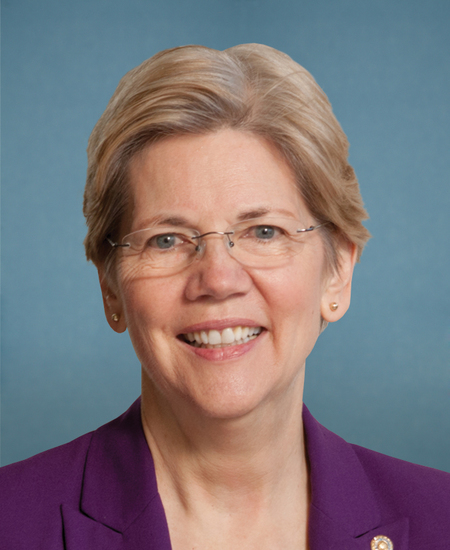
Mamas First Act would expand Medicaid coverage to include prenatal, delivery, and postpartum care provided by doulas, midwives, tribal midwives, and lactation support providers America has highest maternal mortality rate among wealthy nations, with Black, Brown, and indigenous women disproportionately impacted Bill Text (PDF) | One Pager (PDF) Washington, D.C. — U.S. Senators Elizabeth Warren (D-Mass.) and Cory Booker (D-N.J.), alongside Representatives Gwen Moore (D-Wis.), Debbie Dingell (D-Mich.), Alma Adams (D-N.C.), Lauren Underwood (D-Ill.), and Ayanna Pressley (D-Mass.), led colleagues in reintroducing the Mamas First Act , legislation that would address the maternal mortality crisis by expanding Medicaid coverage to include prenatal, delivery, and postpartum care provided by doulas, midwives, tribal midwives, and lactation support providers. These services have been proven to reduce C-sections, decrease maternal anxiety, and improve communication between pregnant women and their health care providers. “Instead of slashing health care for millions of Americans like Republicans in Congress are hellbent on doing, we should be expanding access to care to protect every momma and baby,” said Senator Warren. “It’s unthinkable that the richest country in the world would also have one of the highest maternal mortality rates. The Mamas First Act will help fix this crisis by improving access to high-quality care and rooting out the deep disparities and systemic racism in our health care system.” “The Mamas First Act meets a crisis that is costing mothers their lives—especially Black and Indigenous women who walk into delivery rooms carrying risks no family should bear,” said Senator Booker. “By ensuring Medicaid reimburses doulas, midwives, tribal midwives, and lactation support professionals, this bill delivers the trusted care that keeps mothers safe and babies alive. Congress must act now.” “Across this nation, 40 percent of moms depend on Medicaid when they give birth. Instead of gutting Medicaid, we need to strengthen it so we can save lives. The Mamas First Act would provide mothers with access to evidence-based supportive care that can lead to healthier outcomes for them and their babies,” said Representative Moore. “At a time when stark disparities in maternal mortality continue to hit our communities hard, I am thrilled to have such incredible colleagues and advocates supporting the Mamas First Act and the ongoing fight to save lives.” “The quality of care a pregnant woman receives should not depend on the color of her skin, where she lives, or her income. Each childbirth is different, and women and their doctors should be empowered to decide what care is best. By providing access to adequate and proper maternal services, including doulas and midwives, we will help end the maternal mortality crisis in our country and ensure our children start their lives out healthy and strong,” said Representative Dingell . “Support from care workers like doulas and midwives can make the difference between a positive and healthy pregnancy outcome, and a devastating one. Every mom should be able to access this critically important care,” said Representative Underwood . “As Co-Founder and Co-Chair of the Black Maternal Health Caucus, I’m proud to join my colleagues and introduce the Mamas First Act, a bold step to address our country’s maternal mortality crisis by expanding Medicaid coverage to include doula, midwife, and lactation care. Together, we can, and must, take decisive action to save lives and end disparities.” “Every mother deserves the care and support needed for a healthy pregnancy and safe delivery,” said Representative Adams, Co-Founder and Co-Chair of the Black Maternal Health Caucus . “That is why I am proud to support the reintroduction of the Mamas First Act. Research shows that doula and midwife care can improve maternal health outcomes and reduce pregnancy-related complications. Yet the United States continues to face an unacceptable maternal mortality crisis, and Black women are nearly three times more likely to die from pregnancy-related causes than women of other racial and ethnic groups. Moms can’t wait, and neither should Congress. We must expand access to high-quality maternal care and ensure every mother has the opportunity to thrive before, during, and after pregnancy.” “It is incumbent upon us all to treat mothers with the dignity, respect, and care that they deserve—and that means tackling the maternal morbidity crisis head on, especially for Black communities who feel the disproportionate impact of this crisis,” said Representative Pressley . “Our Mamas First Act would save lives and improve the quality of care by expanding coverage for doula and midwifery care. I’m proud to co-lead this legislation with my colleagues to put an end to the maternal morbidity crisis and protect mothers now.” The Mamas First Act would: Amend the Social Security Act to allow doulas, midwives, tribal midwives, and lactation support providers to be reimbursed by Medicaid. Improve access to care before, during, and after delivery for underserved and under-resourced communities. Increase the focus on culturally competent and patient-centered care to facilitate better health outcomes. The bill is cosponsored by Senators Alex Padilla (D-Calif.), Bernie Sanders (I-Vt.), Martin Heinrich (D-N.M.), Richard Blumenthal (D-Conn.), and Tammy Duckworth (D-Ill.). The bill is cosponsored by Representatives Eleanor Holmes Norton (D-D.C.), Ted Lieu (D-Calif.), Al Green (D-Texas), Adelita Grijalva (D-Ariz.), and Jan Schakowsky (D-Ill.). It is endorsed by Ujima, The National Center on Violence Against Women in the Black Community, the Academy of Lactation Policy and Practice, the National Health Law Program, HealthConnect One, BMMA Inc. (Black Mamas Matter Alliance, Incorporated), Futures Without Violence, Every Mother Counts, the American Association of Birth Centers, In Our Own Voice: National Black Women’s Reproductive Justice Agenda, the National Partnership for Women and Families, Birth Center Equity, Families USA, and the What to Expect Project. “The Mamas First Act will help address our country’s devastating maternal health crisis, which is causing vast, disproportionate harm to Black and Indigenous mothers and newborns, by ensuring that Medicaid reimburses doulas, midwives, and other birthing care workers for the vitally important care they provide,” said Esta Soler, president and founder of Futures Without Violence. “We thank Senator Warren and Representative Moore for championing this legislation, which will ensure these critical providers can continue providing quality care to the millions of people who rely on Medicaid for coverage. We urge leaders in both the House and Senate to prioritize its passage.” “The Mamas First Act recognizes a simple but important truth: better support leads to better outcomes for mothers and babies,” said Anthony Wright, Executive Director of Families USA. “By expanding access to trusted community-based providers, including doulas, midwives, tribal midwives, and lactation support professionals, this legislation will help ensure that more families receive the high-quality, culturally congruent care they deserve during a time of immense change, vulnerability and excitement. Families USA is proud to endorse it.” Senator Warren has continuously advocated for women’s health and fought to protect women’s reproductive rights: In June 2026, U.S. Senator Elizabeth Warren (D-Mass.), along with Senator Mazie Hirono (D-Hawaii) and Senate Minority Leader Chuck Schumer (D-N.Y.), pressed President Donald Trump and Secretary Robert F. Kennedy Jr. on the Trump Administration’s new website, Moms.gov, which directs pregnant women and their loved ones to unregulated and often nonmedical anti-abortion facilities known as crisis pregnancy centers (CPCs). In June 2026, at a spotlight forum hosted by U.S. Senators Elizabeth Warren (D-Mass.), Patty Murray (D-WA), senior member and former chair of the Senate Committee on Health, Education, Labor, and Pensions (HELP), Tammy Baldwin (D-Wis.), and Tina Smith (D-Minn.), highlighted the consequences of the Dobbs decision four years later and slammed Republicans’ attacks on reproductive freedom, including the Trump administration’s new website, Moms.gov, which promotes anti-abortion crisis pregnancy centers, which have been known to provide misinformation and jeopardize women’s health and data privacy. In May 2026, Senator Elizabeth Warren (D-Mass.) and Representative Lauren Underwood (D-Ill.) led over 70 lawmakers in reintroducing the Maternal Health Pandemic Response Act to address maternal health risks during public health crises like COVID-19 and the ongoing hantavirus and Ebola outbreaks. In such emergencies, pregnant, postpartum, and breastfeeding women are uniquely vulnerable and face an increased risk for adverse maternal health outcomes. In May 2026, U.S. Senators Elizabeth Warren (D-Mass.), Tammy Baldwin (D-Wisc.), Minority Leader Chuck Schumer (D-N.Y.), Ron Wyden (D-Ore.), Patty Murray (D-Wash.), and Tina Smith (D-Minn.) led the entire Senate Democratic caucus in reintroducing a resolution affirming that the abortion medication mifepristone is safe and effective and underscoring that law and policy related to the medication must be equitable, transparent, and based on the best available peer-reviewed evidence-based science. In May 2026, Senators Elizabeth Warren (D-Mass.), Tammy Duckworth (D-Ill.), and Minority Leader Chuck Schumer (D-N.Y.) led 12 senators in pressing the Chair of the Equal Employment Opportunity Commission (EEOC) on the Commission’s efforts to weaken a rule affirming employment protections for workers undergoing fertility treatments. In March 2026, U.S. Senators Elizabeth Warren (D-Mass.); Ron Wyden, Ranking Member of the Senate Finance Committee (D-Ore.); and Senate Minority Leader Chuck Schumer (D-N.Y.) led 23 colleagues in publishing a new report revealing the harm Donald Trump and Republicans in Congress have caused to Americans in the six months since their dangerous provision to “defund” Planned Parenthood, buried in their Big, Beautiful Bill, went into effect. In November 2025, ahead of the Senate Finance Committee’s confirmation vote for Thomas M. Bell, Donald Trump’s nominee for Health and Human Services (HHS) Inspector General (IG), U.S. Senator Elizabeth Warren (D-Mass.) exposed Bell’s flip-flopping and slammed his extreme anti-abortion views. In July 2025, U.S. Senator Elizabeth Warren (D-Mass.) pressed Michael Stuart, nominee for General Counsel of the Department of Health and Human Services (HHS) , on his dangerous anti-vaccine views, staunch anti-abortion advocacy, and more. Ahead of his confirmation hearing in front of the Senate Finance Committee later today — at which Senator Warren will question Stuart — Senator Warren sent Stuart a letter outlining her key concerns with his nomination. In February 2025, Senators Warren and Duckworth pressed Dr. Mehmet Oz , President Trump’s then-nominee for the Administrator of the Centers for Medicare and Medicaid Services (CMS), on his hostile anti-abortion record. In December 2024, Senators Elizabeth Warren, Bernie Sanders (I-Vt.), Ron Wyden (D-Ore.), and Sheldon Whitehouse (D-R.I.) reintroduced the Health and Location Data Protection Act , legislation banning data brokers from selling Americans’ sensitive personal information. In September 2024, at a hearing of the Senate Finance Committee, Senator Elizabeth Warren highlighted the dangerous consequences women faced after the Supreme Court overturned Roe v. Wade. In January 2024, on the 51st anniversary of Roe v. Wade, United States Senator Elizabeth Warren (D-Mass.) spoke on the floor of the United States Senate about the fight ahead to restore abortion rights and protect reproductive freedom. In December 2023, U.S. Senators Elizabeth Warren (D-Mass.) and Tammy Baldwin (D-Wisc.) led 40 other lawmakers in introducing a resolution in support of equitable, science-based policies governing access to medication abortion. In May 2023, U.S. Senators Elizabeth Warren (D-Mass.), Tammy Duckworth (D-Ill.), Mazie Hirono (D-Hawaii), and Tina Smith (D-Minn.) expanded their investigation into the effects of state abortion bans on women, as the country neared the first anniversary of the Supreme Court’s decision to overturn Roe v. Wade. In May 2023, Senator Warren and Representatives Pressley and Lee reintroduced the Anti-Racism in Public Health Act. In December 2022, Senator Warren, Representative Underwood, and lawmakers reintroduced the Maternal Health Pandemic Response Act to combat maternal mortality and prepare for the next pandemic. In July 2022, Senators Warren and Markey and Representative Seth Moulton fought to save the North Shore Birth Center. In February 2021, Senator Warren cosponsored Senator Booker and Representative Underwood’s Black Maternal Health Momnibus Act of 2021, a series of 12 bills to save moms’ lives and end racial and ethnic disparities in maternal health outcomes. In April 2020, Senator Warren and Patty Murray (D-Wash.) released a GAO report underscoring the need to address the maternal mortality crisis. In August 2020, Senator Warren and Representative Underwood introduced the Maternal Health Pandemic Response Act to improve research and data collection, safeguard the health of pregnant and postpartum individuals, and dedicate resources to combat the maternal mortality and morbidity crisis during the COVID-19 pandemic. In February 2021, Senator Warren and Representative Underwood led their colleagues in sending a letter to Senate and House leadership urging the inclusion of provisions of the Maternal Health Pandemic Response Act in an upcoming COVID-19 relief package. Senator Warren is also a co-sponsor of Senator Booker’s Black Maternal Health Week Resolution , Senators Jeff Merkley (D-Ore.) and Bill Cassidy’s (R-La.) Maternal and Child Health Stillbirth Prevention Act , Senator Booker’s MOMMIES Act , and Senator Richard Durbin’s (D-Ill.) Mothers and Offspring Mortality and Morbidity Awareness (MOMMA) Act . ###
748d7536-5fff-46f5-bffd-c890eab1a0c5Issued within 24 hours
Other senators' releases published in the day before or after this one.