Hoeven: Permitting Reform to Create Good Jobs, Reduce Costs for Consumers & Fight Inflation
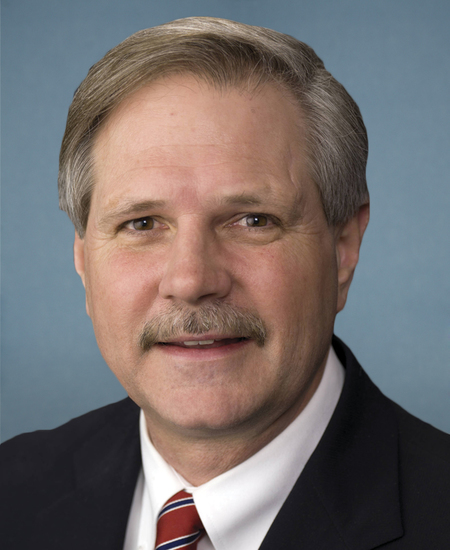
BISMARCK, N.D. – Senator John Hoeven today held a press conference with North Dakota energy producers and home builders to outline the need for permitting reform. Hoeven reviewed the Bipartisan American Affordability and Jobs Act (BAAJA) of 2026, which the Senate passed last week, discussing how the bill will: Provide regulatory relief to alleviate the logjam of projects currently moving through the federal environmental review and permitting process. The senator stressed that there are more than $1.1 trillion worth of projects nationwide that are currently held up by federal regulations. By streamlining federal permits, this legislation will help create jobs, while building the infrastructure and producing the energy the nation needs. Help fight inflation by bringing down costs for a wide range of industries, including energy production and home construction, which will directly benefit the pocketbook of everyday Americans. The senator highlighted that: For energy: The bill includes Hoeven-sponsored measures to eliminate duplicative permitting for oil, gas and geothermal development on non-federal lands. Hoeven’s legislation would still require state permitting, which has taken on average 40 days vs 283 days for the Bureau of Land Management (BLM). BAAJA’s reforms will reduce electricity costs by an estimated 3.5% to 7% annually and save 96 months on the construction of new transmission lines. The legislation also protects local residents and ratepayers by requiring data centers to pay infrastructure, transmission and other costs. For housing: More than 25% of single-family and 40% of multifamily housing development costs are due to government regulations. Streamlining Clean Water Act (CWA) reviews will save as much as $425,000 per housing development project , making homes more affordable for families. BAAJA will also require fewer National Environmental Policy Act (NEPA) reviews for multifamily housing projects while creating enforceable deadlines for federal agencies. “Our state has shown that you can provide regulatory certainty and an efficient, cost-effective permitting system while maintaining good environmental stewardship. That’s what this bipartisan permitting reform will achieve, getting rid of duplicative layers of federal bureaucracy and permitting reviews and helping reduce the time and cost associated with energy and construction projects. That translates to lower costs for consumers, lower inflation, good jobs and a stronger economy,” said Hoeven. “In particular, I secured two of my bills to advance the development of oil, gas and geothermal resources on non-federal lands. It’s just common sense – if the federal government doesn’t own the surface acres and is only a minority holder of the subsurface estate or minerals, then there shouldn’t be a burdensome requirement for a federal permit.” Advancing Oil, Gas & Geothermal Development Specifically, Hoeven secured the following two pieces of legislation in BAAJA to streamline and improve the permitting process for energy development, remove duplicative regulations and better respect the rights of private mineral holders and landowners: The Bureau of Land Management (BLM) Mineral Spacing Act , which removes the BLM permitting requirement in instances when: Less than half of the subsurface minerals within a drilling spacing unit are owned by the federal government; and The federal government does not own or lease any surface rights within the impacted area. The Harnessing Energy at Thermal Sources (HEATS) Act, which would remove the federal permitting requirement for geothermal operations in instances when: Less than half of the subsurface geothermal estate is owned by the federal government. Geothermal exploration and production activities are conducted on non-federal surface acres. The operator has received a state permit. Addressing Data Center Energy Costs The legislation helps protect ratepayers against cost increases resulting from data centers being connected to the grid by: Directing the Federal Energy Regulatory Commission (FERC) to revise its 1994 transmission pricing policy to require public utilities to charge data centers seeking interconnection both: The embedded cost. The incremental cost of wholesale transmission service. Once finalized, the rule would require utilities to establish or revise rates for data center customers and to identify upgrades and cost-reduction options for data centers. The bill also clarifies that: States may set separate rates for data center customers. States may conduct a market-based approach to data center interconnection and use any excess revenue from that competitive approach to lower rates for other customers. -###-
7d10b556-3a24-4d1c-ae51-8680fee7ef39Issued within 24 hours
Other senators' releases published in the day before or after this one.