Committee Advances Walberg's Legislation to Protect Great Lakes Fisheries
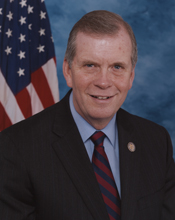
Image September 15, 2026 Press Release Today, the House Natural Resources Committee unanimously advanced the Responsible Cormorant Management and Control Act . Introduced by Congressman Tim Walberg (MI-05), the bill would ensure effective, science-based management of double-crested cormorant populations across the United States. The bill directs the Secretary of the Interior to develop regional management frameworks to guide the responsible take of double‑crested cormorants, working in coordination with the nation’s four Regional Flyway Councils. Double‑crested cormorants have long posed challenges for fisheries and wildlife populations when their numbers become overabundant. In the Great Lakes, cormorant populations have wreaked havoc on fish stocks, inflicting millions of dollars in damage to the Great Lakes fisheries and threatening $5.1 billion in economic impact for recreational fishing. The Responsible Cormorant Management and Control Act would establish a comprehensive, collaborative framework to ensure that population management is effective and sustainable, better protecting fisheries and other wildlife habitats. "The Great Lakes fisheries are vital to Michigan’s economy and environment, offering recreational opportunities for families and supporting local jobs and tourism," said Rep. Walberg. "However, overabundant cormorant populations have damaged Great Lakes fish stocks. To protect our fisheries, we need a flexible, science‑driven framework to manage cormorants responsibly. The Responsible Cormorant Management and Control Act will give our fisheries the tools they need to thrive and support Michigan’s economy for years to come." Congressman Walberg serves as a member of the House Natural Resources Committee. To learn more about his work in Congress, please visit Walberg.house.gov . Issues : Great Lakes
7d81eef9-2efe-4c43-9055-36b3d1611484Issued within 24 hours
Other senators' releases published in the day before or after this one.