Pingree, 200+ House Democrats Fight to Stop USDA’s Plan to Kick 6.3 Million More Americans off SNAP
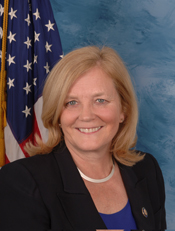
Congresswoman Chellie Pingree (D-Maine), a member of the House Agriculture Committee, sent a letter to U.S. Department of Agriculture Secretary Brooke Rollins opposing a new proposed rule that would kick an estimated 6.3 million Americans – primarily older or disabled beneficiaries and families with children – off the Supplemental Nutrition Assistance Program (SNAP). "As the cost of groceries and other basic needs continue to rise, the Trump administration has made life less affordable for everyday Americans. Since passage of the 'One Big Beautiful Bill,' SNAP participation nationwide has plummeted by more than 5.5 million people, including approximately 2 million children,” the Members wrote. "Implementing this rule and cutting millions more people off from vital food assistance in the middle of an affordability crisis is both illegal and cruel.” The letter was signed by 214 House Democrats. Read the letter here . "SNAP is a critical tool in preventing hunger and helping families make ends meet. Taking food assistance away will only deepen food insecurity and place greater pressure on Maine’s food security network that is already under mounting pressure to meet a sustained high demand for assistance,” said Heather Paquette, President of Good Shepherd Food Bank. "We applaud Congresswoman Pingree and her colleagues for standing up for access to food and opposing policies that will make it harder for people to put food on the table." "This is another attempt by the federal administration to make it harder for struggling Mainers to get and keep food assistance. Not only will eliminating Broad-based Categorical Eligibility increase bureaucratic paperwork and administrative costs - it will also hurt household budgets, school budgets and our state budgets,” said Anna Korsen, Co-Executive Director of Full Plates Full Potential. "Ultimately, more Maine kids will go hungry because of this decision, and I don't believe anyone in Maine wants that.” "Just before winter and the holidays, when over 24,000 Mainers have already lost SNAP, the Trump Administration proposes to cut food assistance for thousands more in Maine, including for our kids,” said Alex Carter, Senior Policy Advocate at Maine Equal Justice. "Why is this administration intent on taking food off the plates of low-income Mainers, who are already on the front lines of the affordability crisis?" According to the Trump administration’s regulatory impact analysis of the proposed rule: 6.3 million individuals in 3.2 million households will lose their SNAP benefits entirely. The 3.2 million families impacted make up 17 percent of SNAP households. SNAP benefits will be cut by $50.82 billion. Federal spending on benefits will be cut by $44.65 billion over 5 years (FY2027-FY2031), and state spending on benefits will be cut by $6.17 billion. SNAP administrative expenses will increase by $1.24 billion. Federal spending on administrative expenses will increase by $309.5 million over five years. State spending on administrative costs will increase by $928.5 million. Increased burden on participants is estimated to be approximately $71.7 million over five years. Because SNAP participation is often used to streamline eligibility for basic needs programs, the proposed rule's effects reach beyond the program. 1.78 million children would no longer be categorically eligible for school meals. Of those children: 97 percent would likely remain eligible but need to go through an onerous paperwork process to maintain eligibility. 93,000 children would be shifted from free to reduced-price school meals. 28,000 children would lose free school meals entirely and have to pay full price. 42,000 children will no longer receive Summer EBT (“Sun Bucks”) beginning in the summer of 2029. An estimated 13,000 of these children would lose benefits they qualify for due to administrative burden (i.e., not applying for SEBT, even though they remain eligible). 5,500 women, infants and children would be kicked off the Special Supplemental Nutrition Program for Women, Infants and Children (WIC). The number of states opting in to broad-based categorical eligibility has increased steadily each year because of its positive impacts on participants and program administration. Currently, 46 states, Republican and Democratic alike, opt to use BBCE. Under President Trump and Secretary Rollins, food insecurity in America has increased, according to independent analysis . Food inflation accelerated in October. Thanksgiving staples are up 11 percent year-over-year, outpacing inflation. ###
7df38467-b46a-4688-a708-13a21be3ff45Issued within 24 hours
Other senators' releases published in the day before or after this one.