Malliotakis, Brooklyn Elected Officials Highlight State Policies Driving Up Utility Bills, Legislative Efforts to Lower Energy Costs
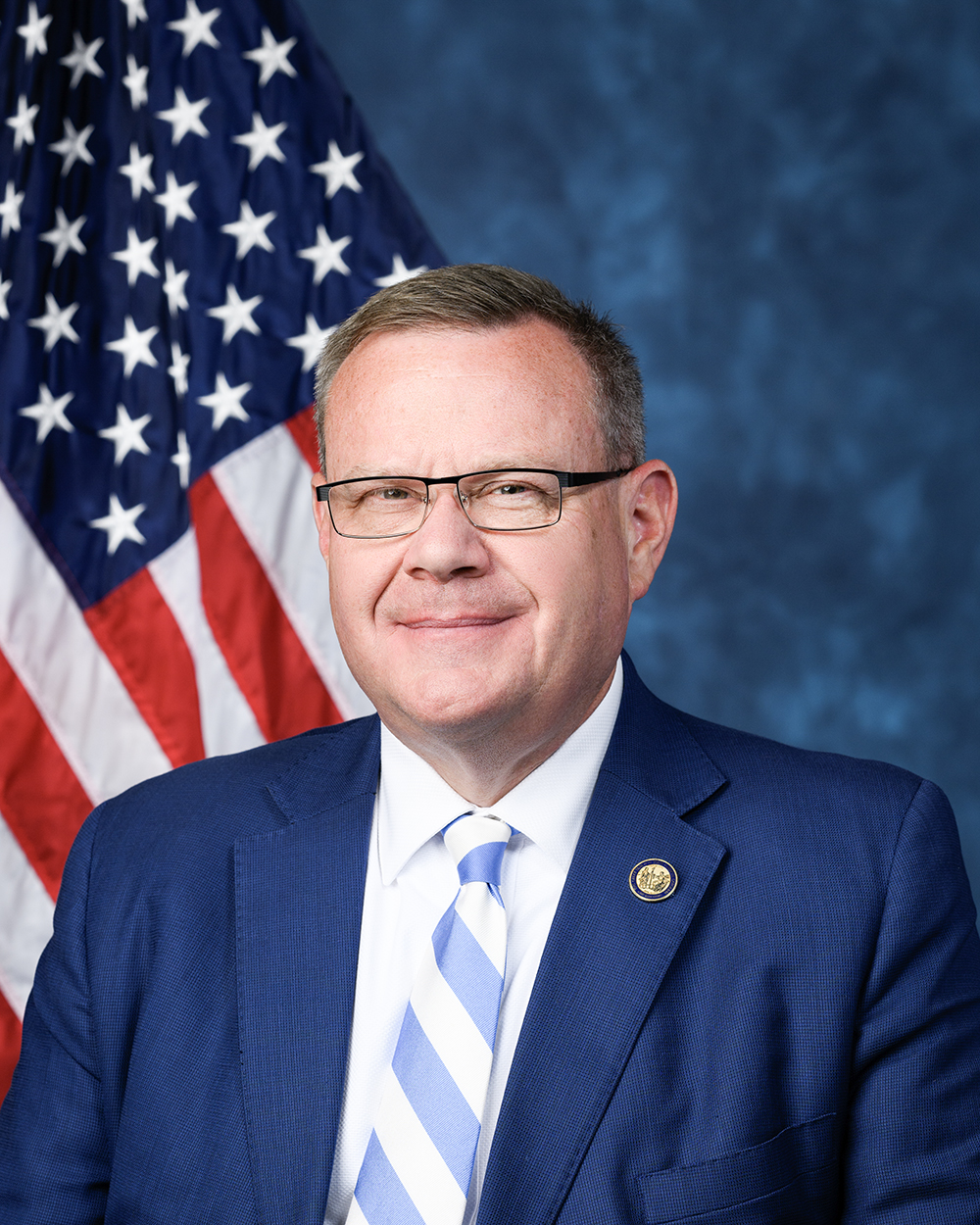
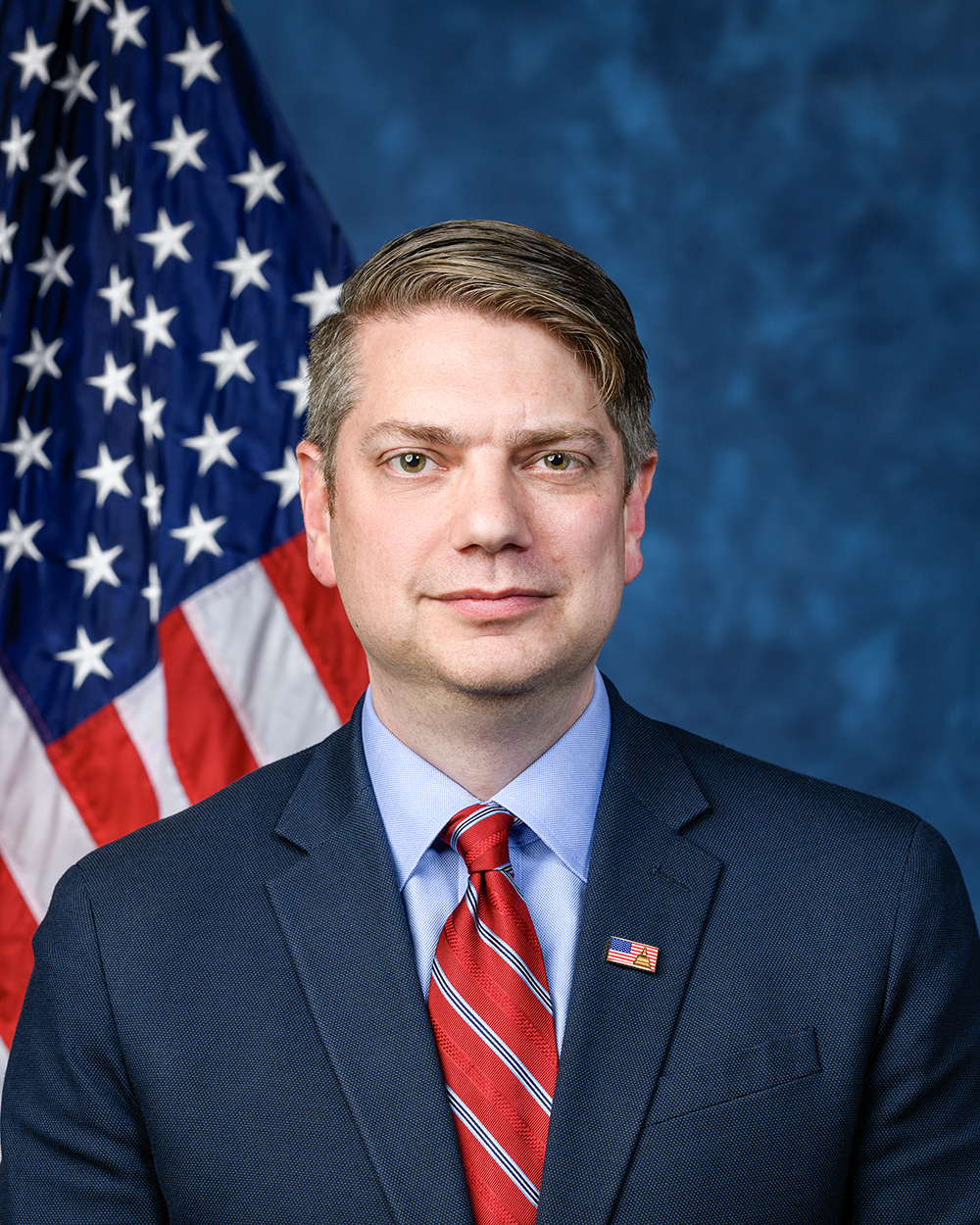
Image October 28, 2026 Press Release (BROOKLYN, NY) — Congresswoman Nicole Malliotakis (NY-11) joined State Senator Steve Chan and Assemblymembers Lester Chang, Michael Tannousis, and Alec Brook-Krasny to highlight how costly New York State energy policies and mandates are driving up utility bills for families and businesses, while outlining federal efforts to increase domestic energy production, strengthen grid reliability and lower electricity costs. New Yorkers pay approximately 60% more for electricity than the national average, placing a significant financial burden on hardworking families and small businesses. The lawmakers highlighted how state energy mandates, taxes and regulatory decisions are contributing to rising costs, including rate increases approved by the New York State Public Service Commission (PSC), whose members are appointed by the Governor, and the state's closure of the Indian Point Nuclear Power Plant that provided 26% of New York City's electricity supply. Over the past five years, the PSC has approved two major multi-year rate plans for Con Edison, further increasing costs for ratepayers. The lawmakers also noted that state and local taxes, fees and surcharges make up roughly one-third of a customer's utility bill. "Brooklyn families and small businesses are being forced to pay more than 60% above the national average because of costly energy mandates, excessive taxes and misguided policies coming out of Albany. While Washington is working to expand American energy production, strengthen our electric grid and deliver more affordable, reliable power, New York State continues to pursue policies that drive costs higher. We need to reverse course, provide relief to ratepayers and ensure families can afford to keep their lights on and heat their homes," said Congresswoman Nicole Malliotakis. "New York pays among the highest rates in the country for utilities, but there are so many solutions that our Governor and the other side of the aisle will not agree to. They keep blaming the federal government, Con Edison, and National Grid, when it is the Democrat policy that is the problem. How come the other 49 states don't have this problem that we do then?" said Senator Steve Chan. “Our neighbors and local businesses need to survive and thrive in this economy. Our Republican team will fight for affordability by repealing congestion pricing, cutting taxes, and lowering service fees on electric bills. We will always fight for you,” said Assemblymember Lester Chang. "The rising utility costs that are driving residents out of New York are the direct result of mandates and taxes imposed by the Governor and Democratic-controlled legislature. Albany’s mandates have consistently increased the cost of living in New York and we need new leadership to put our state on a corrective course. The evidence is clear when the state is sitting on a massive $2.4 billion “Energy Tax” surplus that is waiting to be utilized on whatever pet project the Governor deems fit instead of returning it to the ratepayers," said Assemblyman Michael Tannousis. “ Every New Yorker is suffering because of the outrageous cost of our utility bills. It is the socialist leadership in Albany that has created this affordability crisis by rubber-stamping dozens of utility rate hikes and allowing out-of-control delivery costs that burden our residents. The Governor and Democrat majorities in both Houses have refused to authorize safe nuclear energy facilities and instead had no plan after the closing of Indian Point. They refuse to allow hydro-fracking, which would provide an immediate energy source and create job growth, which has worked well in neighboring states. It is time for new leadership in Albany that will work quickly to find alternative energy sources and control our nightmarish and constantly rising utility costs,” said Assemblyman Alec Brook-Krasny. Federal Legislation Signed Into Law The Fire Grants and Safety Act Included provisions of the ADVANCE Act to promote nuclear energy by streamlining regulations, accelerating approval of new nuclear reactors, reducing certain licensing costs, and supporting advanced nuclear technologies. Energy and Water Development FY 26 Appropriations $3.1 billion for advanced nuclear power; $375 million for transformers and grid equipment; $1.785 billion for broader nuclear energy programs. Working Families Tax Cuts: Energy Dominance Financing – Expands Department of Energy financing for projects that increase energy capacity and provide dependable electricity supply by providing $1 billion through 2028. Expanded Access to Coal, Oil, and Gas leasing and reduced Coal Royalties to lower production costs and maintain domestic fuel supplies Build More Hydro Act: Accelerates delayed hydropower projects by extending Federal Energy Regulatory Commission construction deadlines, helping unlock an estimated 2,600 megawatts of reliable electricity generation and $6.5 billion in private investment. Hydropower Licensing Transparency Act Requires FERC to report annually to Congress on the status of outstanding hydropower relicensing applications to help identify administrative bottlenecks. House-Passed Bills H.R. 9340 - Ratepayer Protection Act Protects consumers from electrical rate increases resulting from data center construction, and ensures data centers would pay full incremental cost. Establishes standards for large-level data centers, meaning industrial growth is still encouraged while protecting American families from a price increase in the process. H.R. 3632 - Power Plant Reliability Act of 2025 Addresses operational reliability guidelines and emergency dispatch protections for thermal and baseload power plants. H.R. 9339 - Affordable Innovation for the Grid Act Directs the Department of Energy to assess and report on the use of artificial intelligence and high-performance computing technologies to enhance the capacity, reliable operation, and operational efficiency of the bulk-power system. H.R. 9332 - Load Forecasting Enhancement Act Requires the Federal Energy Regulatory Commission (FERC) to establish regional boards to study and recommend best practices for electric load forecasting, which is the process of predicting the demand for electricity at a particular time. It also requires states to consider adopting the recommendations. H.R. 3628 - State Planning for Reliability and Affordability Act Requires certain state authorities that regulate electric utilities to consider the establishment of measures regarding the reliable availability of electricity over specified time periods. These requirements would apply to electric utilities that use integrated resource plans—plans that project future electricity use to ensure resource adequacy, as opposed to utilities that rely on capacity markets, which use price trends for resource planning. H.R. 3616 - Reliable Power Act Directs the electric reliability organization (i.e., the North American Electric Reliability Corporation) to conduct annual long-term assessments of the reliability of electric power in the bulk-power system. It also establishes a process for the Federal Energy Regulatory Commission (FERC) to review federal regulations before they are finalized if the electric reliability organization finds that the system is at risk of not having sufficient electric generation to maintain reliability. View remarks HERE .
837e6b7c-fedb-4906-9af7-6079a7c0982aIssued within 24 hours
Other senators' releases published in the day before or after this one.