Crow Presses Pentagon Over Civilian Casualties during Trump’s Iran War
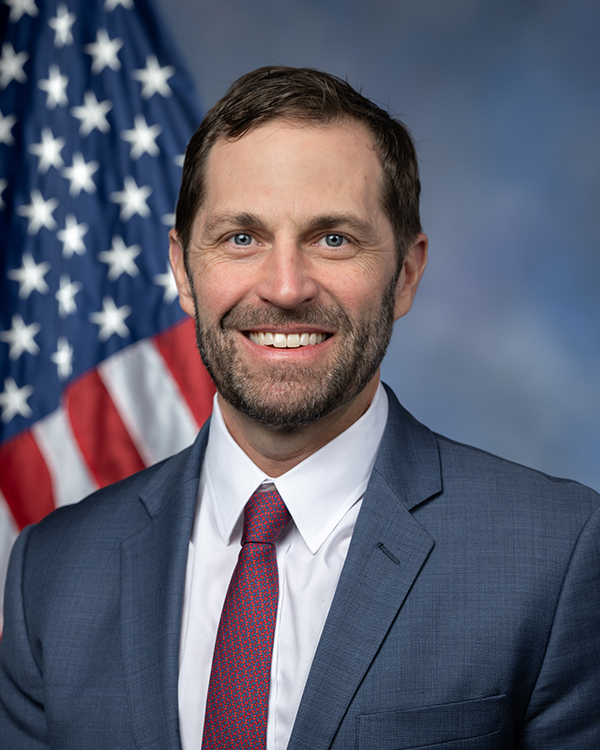
October 13, 2026 Press Release AURORA — Congressman Jason Crow (D-CO), a former paratrooper and Army Ranger who serves on the House Armed Services Committee and House Permanent Select Committee on Intelligence, is demanding answers on a strike that resulted in civilian casualties at a wedding in Iran, reported to have been carried out by the U.S. military during Trump’s war of choice. According to The New York Times , at least five people were killed, including two children, and nearly 70 more were injured while attending a wedding due to a military strike in the town of Kuhestak, Iran. Additional reporting indicates a high likelihood that the bomb used was launched by American forces as they carried out intense attacks in southern Iran. Joining Crow in his letter to Secretary of Defense Pete Hegseth are Congresswomen Yassamin Ansari (D-AZ) and Sara Jacobs (D-CA). The group previously led their Democratic colleagues pressing the Administration for answers on a U.S. strike on an Iranian girls’ elementary school where at least 175 civilians, many of them children, were killed. The Pentagon has yet to provide a sufficient update on the incident. “We demand urgent answers regarding the United States’ role in this strike, why the strike proceeded given the clear risk of significant civilian harm, and what steps the Department is taking to prevent further civilian casualties in Iran,” Crow and his colleagues wrote . “The consequences of this American strike have been devastating: 5 civilians were killed as a result of the strike in Kuhestak, including a 4-year-old boy and a 16-year-old boy, and dozens of civilians were injured.” They continued, “We are deeply alarmed by the continued pattern of civilian casualties resulting from U.S. operations in the war in Iran, and the apparent lack of action and accountability from the Department. Acknowledging such incidents, accepting responsibility, and learning from them makes our forces stronger, more effective, and an example to the world. When we fail to do so, it has the exact opposite effect.” Crow, Co-Chair of the Protection of Civilians in Conflict Caucus, has demanded answers on Secretary Hegseth’s attempts to dismantle civilian protections at the Pentagon. Crow’s service as a combat veteran in Iraq and Afghanistan informs much of his work in Congress aimed at increasing civilian protection in combat. He helped pass legislation codifying the creation of the Civilian Protection Center of Excellence, and has passed major portions of his Protection of Civilians in Military Operations Act and Department of Defense Civilian Harm Transparency Act . A PDF of the letter can be found here , with full text appearing below: Dear Secretary Hegseth, We are once again writing with grave concern regarding the conduct of the administration’s war in Iran. Specifically, there are devastating reports of civilian casualties at a wedding in the town of Kuhestak, Iran, on September 1, 2026. This is the latest in an alarming pattern of civilian casualty incidents in strikes carried out by the United States in Iran since the war began on February 28, 2026. While the Department has not publicly acknowledged responsibility for this incident, the Washington Post recently reported that there is a “high likelihood” that the U.S. was responsible for the incident, citing an official familiar with the operations. Furthermore, analysis from U.S. weapons experts has suggested that the explosion was caused by a U.S. glide bomb. The Post reported that six U.S. Navy aircraft-launched weapons targeted a communications complex near the home where the wedding was taking place and that one weapon missed its intended target. Accordingly, we demand urgent answers regarding the United States’ role in this strike, why the strike proceeded given the clear risk of significant civilian harm, and what steps the Department is taking to prevent further civilian casualties in Iran. The consequences of this American strike have been devastating: 5 civilians were killed as a result of the strike in Kuhestak, including a 4-year-old boy and a 16-year-old boy, and dozens of civilians were injured. This incident is regrettably among the latest in a string of civilian casualty incidents arising from the U.S.-led war in Iran. This includes a strike at the Shajareh Tayyebeh Elementary School in Minab, Iran, on the first day of the war that killed a reported 175 civilians, including 120 children. While it has been reported that a preliminary investigation by the Department found that the U.S. military was responsible for the strike, over six months later the Department has still not publicly acknowledged responsibility for the strike nor released the findings of its investigation. Similarly, reporting and independent analysis indicate that U.S. forces were responsible for a strike at a youth sports hall in Lamerd, Iran, that killed 21 civilians, including 7 children, on February 28. While the Department has denied responsibility, analysis by weapons experts found that the damage pattern is consistent with that of an American Precision Strike Missile (PrSM). We are deeply alarmed by the continued pattern of civilian casualties resulting from U.S. operations in the war in Iran, and the apparent lack of action and accountability from the Department. Acknowledging such incidents, accepting responsibility, and learning from them makes our forces stronger, more effective, and an example to the world. When we fail to do so, it has the exact opposite effect. This is why it is all the more alarming that amid these devastating incidents, the Department has also severely degraded the civilian harm mitigation and response (CHMR) programs and personnel designed to prevent, respond to, and learn from civilian harm. Understanding the civilian environment – including the location of civilian objects and critical infrastructure such as schools and gymnasiums, and patterns of life including large gatherings such as weddings – was intended to be a key aspect of this program. Yet CHMR staff at CENTCOM have reportedly dwindled from over 10 to just one full-time staff. The Civilian Protection Center of Excellence, which was mandated by Congress and designed to support combatant commands in this life saving work, has been cut from over thirty down to just seven. On March 12, 2026, 121 Members of the U.S. House of Representatives wrote to you demanding answers regarding civilian casualties caused by Operation Epic Fury and the Department's civilian protection efforts. The Department refused to provide any answers, simply stating “The United States Central Command (USCENTCOM) has initiated an investigation of this incident and appointed an investigating officer from outside the USCENTCOM chain of command. USCENTCOM will share the results of this investigation with Congress once it is completed.” Nearly seven months into the war, Congress and the American public still lack basic information about the findings of that investigation and the measures the Department has taken to prevent similar incidents from occurring again. The strike in Kuhestak makes that failure all the more troubling. In response to the reports regarding U.S. responsibility for the strike in Kuhestak, a spokesperson for the U.S. Central Command stated “The U.S. military never targets civilians, unlike the IRGC.” Similarly, Vice President Vance said at a press briefing recently that he was “skeptical” of reports that the U.S. was responsible for the bombing, while acknowledging that the incident was under investigation.We are concerned this lack of transparency from this Administration is becoming a pattern, given the Department also initially denied responsibility for the Minab strike and has yet to release the investigation related to that incident. The American people deserve answers on not just this strike, but the Department’s pattern of civilian harm resulting from U.S. military operations in Iran. To that end, we insist on answers to the following questions no later than October 26, 2026. Did U.S. forces carry out the September 1, 2026 strike in Kuhestak, Iran, that killed 5 civilians and injured dozens? If so, what was the target and why was the decision taken to execute the strikes? What was the assessed civilian harm risk of the strikes, and what steps were considered or taken to prevent civilian harm? Has the Department formally initiated an investigation into the September 1 strike in Kuhestak? If so, please provide the date on which the investigation began, the office responsible for conducting it, whether the investigating officer is independent of the operational chain of command, and the expected timeline for completion. What is the status of the USCENTCOM investigation into the February 28 strike at the Shajareh Tayyebeh Elementary School in Minab? On what date will the Department provide Congress with the full findings of that investigation, including its conclusions regarding U.S. responsibility and the circumstances that led to the reported civilian casualties? On what date will the unclassified version of these findings be made available to the public? Did the Department conduct an initial review of whether it is possible the U.S. was involved in the Lamerd strike on February 28, 2026? What were the results of that initial review? Was additional information provided after the fact, and did this alter the initial review results at all? Did the Department conduct a civilian harm assessment of whether it is more likely than not that civilian harm occurred as a result of this strike? What were the results of this assessment? Was additional information provided after the fact, and did this alter the initial review results at all? Has the Department conducted an administrative investigation, such as an AR 15-6, into the strike? If so, when was the investigation initiated, when are the findings due to the commander, and when will its findings be provided to Congress and released publicly? What steps, if any, has the Department taken to prevent civilian harm in targeting practices since the apparent U.S strikes in Minab on February 28, 2026? Please detail any specific policies that have been implemented. How many U.S. investigations, initial reviews, and civilian harm assessments into civilian casualties arising from operations in Iran have been initiated since February 28, 2026 and how many have been completed? Please provide details of all ongoing and completed investigations. ### Issues : National Security
8b85aa15-fdc0-4d27-9862-b9314400481dIssued within 24 hours
Other senators' releases published in the day before or after this one.