RELEASE: Gottheimer Introduces Bipartisan Federal Legislation to Make AI Development Safer and More Transparent
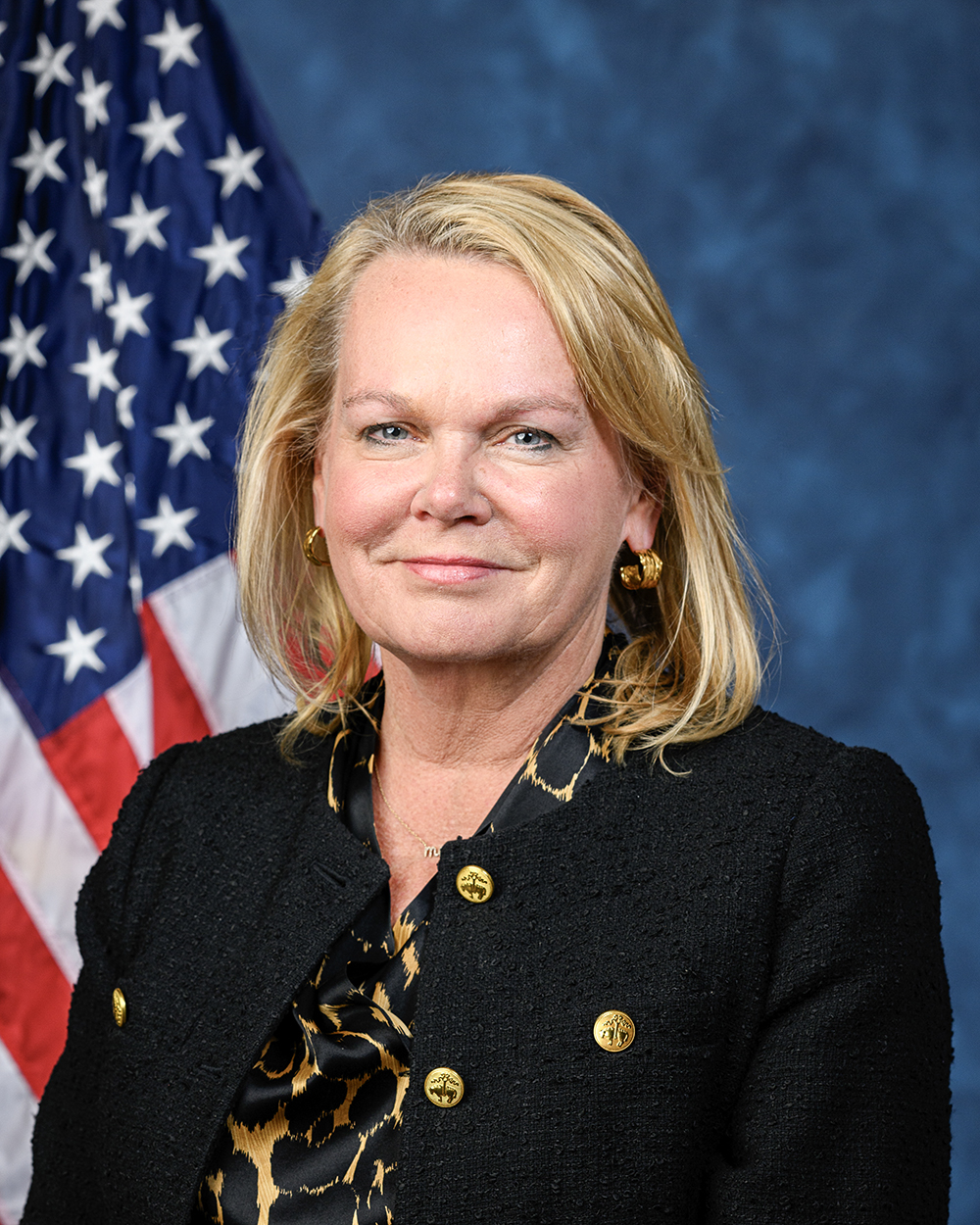
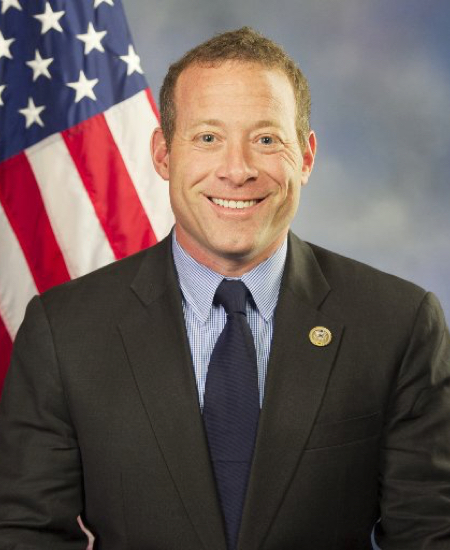
Resources / Press Share on RELEASE: Gottheimer Introduces Bipartisan Federal Legislation to Make AI Development Safer and More Transparent Gives the Government Needed Answers on Recursive Self-Improvement (RSI) Nov 24, 2026 Press WASHINGTON, D.C. — Congressman Josh Gottheimer (NJ-5) and Congressman Nathaniel Moran (TX-1) introduced the RSI Safety Act, bipartisan legislation that would give the federal government a clearer view into how much of the world’s most advanced AI research is being handed over to AI systems – giving the government a fact-based approach to regulating potentially dangerous recursive self-improvement (RSI) practices. “Automating the R&D behind our most advanced AI systems risks keeping humans out of the loop. Both Congress and the public need to know how much of that work is being done by machines, whether people are still meaningfully in charge, and how close our leading labs actually are to RSI. This bill is about transparency and accountability, not about slowing American innovation. It gives us the facts we need to keep our edge, protect our national security and critical infrastructure, and make smart decisions before the technology outpaces our ability to oversee it,” said Congressman Josh Gottheimer (NJ-5). “Artificial intelligence systems are beginning to help build the next generation of AI. This could transform everything from breakthrough medical research to new complex national security risks. As these capabilities advance, policymakers need a clear picture of how quickly that progress is happening. This bill gives decision-makers real-world data to inform prudent policies without imposing overly burdensome restrictions on the innovators driving American leadership,” said Congressman Nathaniel Moran (TX-1). As frontier developers increasingly use AI systems to curate training data, design model architectures, run experiments, and evaluate their own safety, human researchers can become a smaller and smaller part of the process. Today, there is no standardized, verifiable way for policymakers to see how far that shift has gone or whether human review is real or merely nominal. The RSI Safety Act would: Require quarterly disclosures: The biggest AI developers would report on how much of their research is being done by AI, including data and training inputs; algorithmic and architectural design; experimentation and research direction; and safety, evaluation, and oversight operations. Keep humans in control: Frontier AI developers must show whether people can still meaningfully oversee and step in before AI outputs are folded into major workflows and whether they have the information and resources to verify safety. Early warnings: Frontier AI developers must send notice when they discover a material shift in AI R&D automation, such as a move from AI starting to run research on its own without human review. Prepare Congress to act: Commerce must regularly report to Congress on its findings with legislative recommendations – including whether limits on automated AI research are needed. This bipartisan legislation is also endorsed by Americans for Responsible Innovation. “Automating AI research and development means developers are going to build faster and understand less about what they’ve built,” said ARI President Brad Carson. “The bipartisan RSI Safety Act would create an early warning system, giving Congress the critical information it needs to act before serious incidents put people, businesses, and institutions at risk. Following a year of AI incidents, it’s clear that the public and policymakers need more transparency into a technology that’s rapidly reshaping our world.” ### Share on
8c50f7c3-3f4c-4444-96d7-784b1cbb6b7eIssued within 24 hours
Other senators' releases published in the day before or after this one.