Lee, Scott Introduce Legislation to Help Remotely Piloted Aircraft Crew Access Mental Health Services
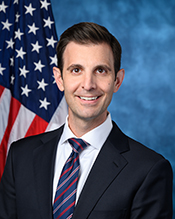
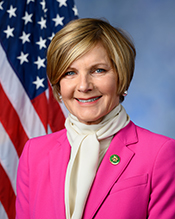
May 20, 2026 Press Release Today, Congresswoman Susie Lee (NV-03) and Congressman Austin Scott (GA-08) introduced the Combat Action Recognition and Evaluation for Remotely Piloted Aircraft Crews (CARE for RPA Crews) Act . This bipartisan, bicameral legislation would create a formal status identifier for remotely piloted aircraft (RPA) crew members who conduct combat operations. By providing this identifier, the bill ensures that RPA crew members receive appropriate recognition for their combat service and, critically, the mental health and transition support provided to other combat-exposed servicemembers. Companion legislation was previously introduced in the Senate by Senators Jacky Rosen (D-NV) and Kevin Cramer (R-ND). “Remotely piloted aircraft crew at Creech Air Force Base are on the front lines of keeping our nation safe. Despite being stationed in the United States, these servicemembers find themselves operating in combat zones every day, taking a considerable toll on their mental health. We must provide them with the proper support and services offered to other combat-exposed servicemembers,” said Congresswoman Susie Lee. “I’m proud to introduce the bipartisan CARE for RPA Crews Act to ensure these brave men and women have access to the appropriate mental health services they deserve.” "I am proud to co-lead the CARE for RPA Crews Act so that we can ensure Remotely Piloted Aircraft crew members receive the appropriate combat designation. These service members conduct combat operations daily, and this legislation ensures that they receive the benefits that come with that service," said Congressman Austin Scott. RPA are unmanned aircraft systems operated by trained crews from ground control stations, including at Creech Air Force Base in Nevada. The crews typically consist of a pilot, sensor operator, and supporting intelligence and communications personnel. Unlike fully autonomous systems, RPAs rely on continuous human control and oversight. Although these crew members regularly support combat missions, they currently lack any official combat-status marker in their records because they operate from within the United States rather than being deployed to combat zones. The absence of a combat identifier has meaningful consequences: without it, RPA crew members frequently face barriers to accessing the appropriate mental health support designed for servicemembers who served in a combat environment. Last year’s National Defense Authorization Act (NDAA), which Congresswoman Lee helped pass, included her amendment to increase access to mental health services for RPA crew members. The NDAA also included Lee’s amendment designating Creech Air Force Base as a remote or isolated installation, unlocking funding to give servicemembers and their families increased access to support services, including child care and fitness centers. Airmen based at Creech travel about 100 miles to and from base each day at significant personal expense, especially junior Airmen, who are estimated to spend 30% of their income on commuting expenses. Once on-base, Creech Airmen face a uniquely stressful mission: as the only state-side wing conducting 24/7/365 RPA operations, Airmen work long hours and irregular shifts on a critical and challenging mission. As southern Nevada’s sole member on the House Appropriations Defense Subcommittee, Congresswoman Lee will continue working to ensure that Nevada’s servicemembers, veterans, and military families receive the benefits, recognition, and support they have earned through their service. A one-pager on the CARE for RPA Crews Act is available here . ### Issues : Veterans & Military Families
8fd29f76-5910-4cdd-b285-00ac9a0b3a8cIssued within 24 hours
Other senators' releases published in the day before or after this one.