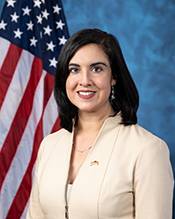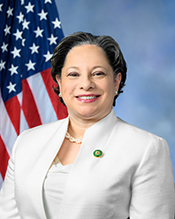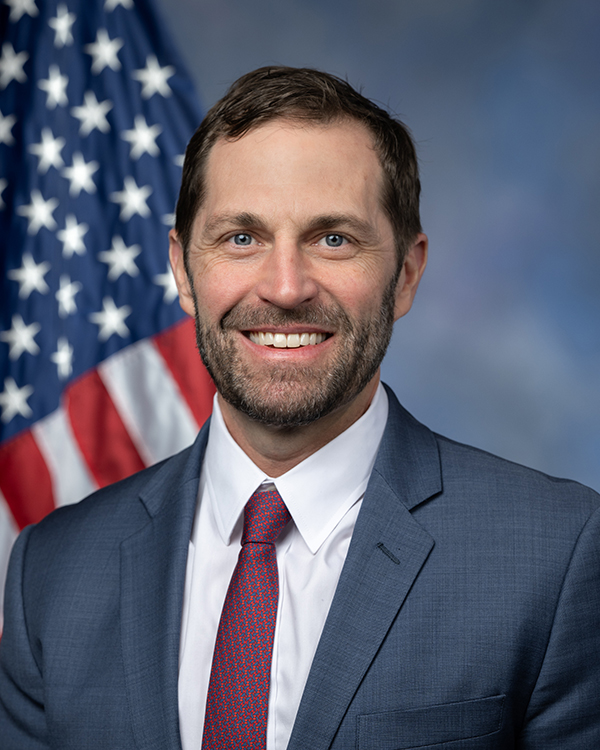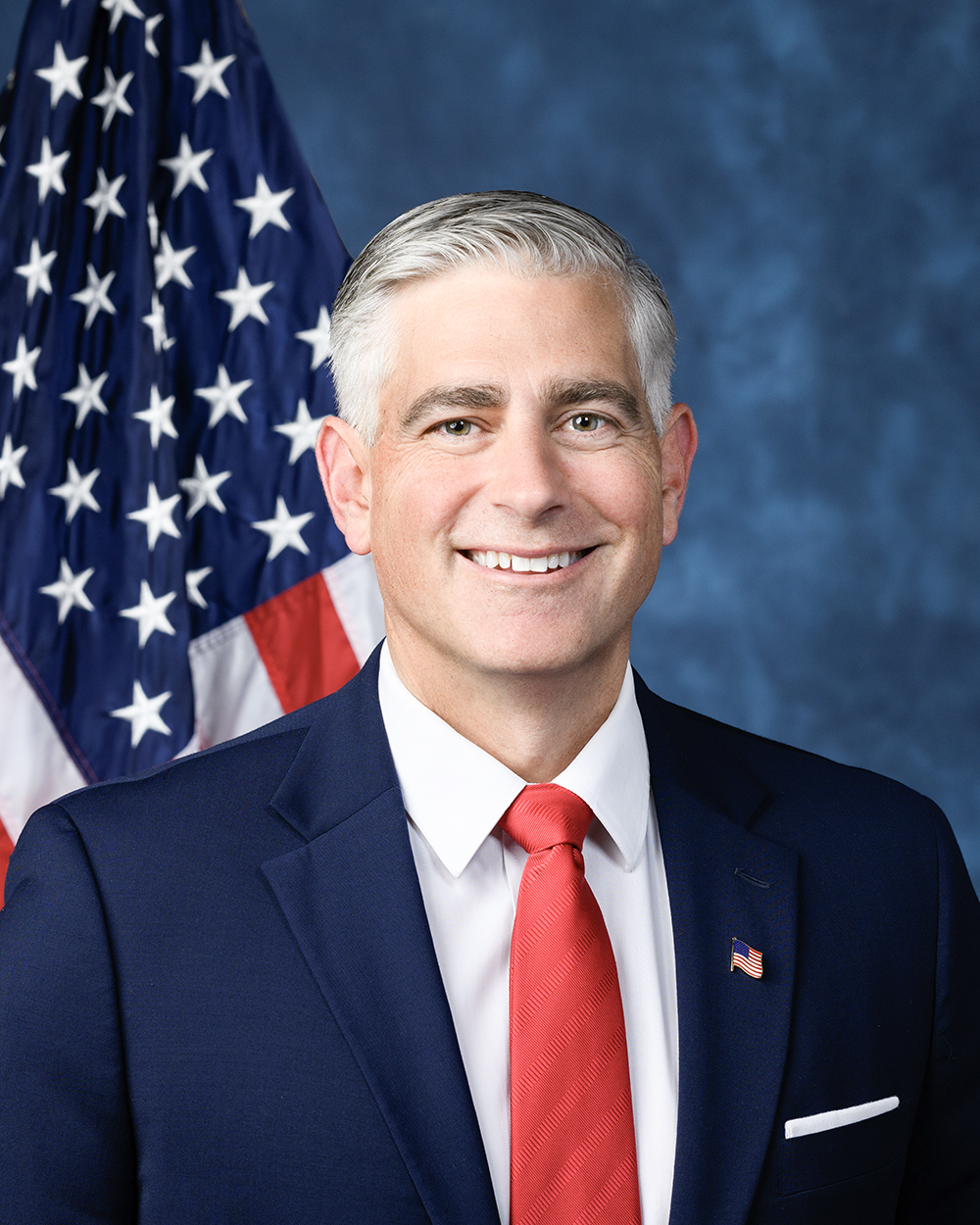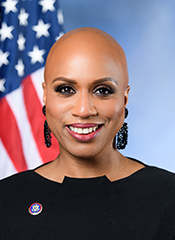
On Disabled Women’s Equal Pay Day, Pressley, Simon, Randall Call for Disabled Women to be Paid Fairly, Introduce Resolution Recognizing the Need to Close the Wage Gap and Reduce Economic Barriers
October 20, 2026 On Disabled Women’s Equal Pay Day, Pressley, Simon, Randall Call for Disabled Women to be Paid Fairly, Introduce Resolution Recognizing the Need to Close the Wage Gap and Reduce Economic Barriers BOSTON – On Disabled Women’s Equal Pay Day, Congresswomen Ayanna Pressley (MA-07), Lateefah Simon (CA-12), and Emily Randall (WA-06) announced they will introduce the Disabled Women’s Equal Pay Day Resolution . This resolution recognizes the persistent pay disparity between disabled women and both disabled and nondisabled men, and it reaffirms the need to reduce systemic, economic barriers and advance economic equity for disabled women. According to recent analysis from the National Partnership for Women & Families, disabled women continue to face high-wage gap disparities compared to their nondisabled male counterparts, earning 56 cents for every dollar paid to nondisabled men. The pay gap is even greater for disabled women of color, who are paid 46-55 cents for every dollar paid to white, non-Hispanic nondisabled men. Additionally, working disabled mothers are paid 44 cents for every dollar paid to nondisabled fathers. “Disability rights are human rights. It is shameful that in 2026, women with disabilities are paid 44 cents for every dollar paid to non-disabled fathers—and that wage gap only widens for working disabled women of color,” said Congresswoman Pressley. “Our Disabled Women’s Equal Pay Day Resolution makes it clear: We must put an end to this economic injustice and make sure everyone gets equal pay for equal work.” “Disabled women of color experience some of the largest pay gaps in our nation- impacting their ability to care for themselves and their loved ones,” said Congresswoman Simon . “This is an unacceptable reality, which is why I joined disability champions in Congress, Reps. Pressley and Randall, to introduce this resolution and demand action to undo systemic barriers to equal pay, break down the discrimination that disabled women face, and move towards a future where every individual is valued for their labor without discrimination based on gender, race, or disability.” “We all deserve to live full lives, to be treated with dignity and respect. All people with disabilities still face huge system barriers, and for disabled women they’re compounded,” said Rep. Randall. “Women with disabilities make less than non-disabled women, and less than disabled men. Government has to do better. As Chair of the Better Pay and Benefits Task Force, I’ll keep fighting for working people everywhere to get the pay and benefits they’ve earned so folks of all abilities can live and thrive in their communities.” This resolution is endorsed by the Democratic Women’s Caucus, American Association of People with Disabilities (AAPD), Autistic Self Advocacy Network (ASAN), National Partnership for Women & Families (NPWF), Disability Culture Lab (DCL), National Disability Rights Network (NDRN), Center for Law and Social Policy (CLASP), National Disabled Legal Professionals Association (NDLPA), Equal Rights Advocates (ERA), New Disabled South. Rep. Pressley has been a longtime advocate the disability community and has championed policies that promote disability justice. In June 2026, Rep. Pressley, Co-Chair of the Task Force on Aging and Families, alongside leadership of the Task Force on Aging and Families, Chair Matsui, Chair Schakowsky, and Co-Chair Dingell, unveiled the Facilitating Access to Service and Timely (FAST) Repairs for Wheelchairs Act , essential legislation to streamline wheelchair repairs by removing extra unnecessary, burdensome requirements for Medicare Advantage beneficiaries. In May 2025, Rep. Pressley reintroduced a resolution demanding equitable access to reproductive and sexual healthcare for people with disabilities, and designating a day in May as “Disability Reproductive Equity Day.” On May 6, 2025, Rep. Pressley joined the Disability Justice Initiative at the Center for American Progress in kicking off their Disability Reproductive Equity Summit to develop an agenda for disability reproductive justice. On August 14, 2024, Rep. Pressley issued a statement applauding Biden-Harris Administration for finalizing its proposed rule to improve access to medical diagnostic equipment (MDE) for people with disabilities. The DOJ’s final rule followed an April letter by Rep. Pressley and 11 of her colleagues urging it to strengthen and finalize its proposed rule, and underscoring the need for health care facilities to have functional and accessible MDE for people with disabilities. On May 23, 2024, Rep. Pressley held a press conference alongside colleagues and reproductive justice and disability justice advocates to unveil the Disability Reproductive Equity Day Resolution. On May 2, 2024, Rep. Pressley issued a statement applauding the U.S. Department of Health and Human Services’ (HHS) finalized rule that prohibits discrimination on the basis of disability. On April 4, Rep. Pressley led her colleagues in urging the Department of Justice (DOJ) to strengthen and quickly finalize its proposed rule to improve access to medical diagnostic equipment (MDE) for people with disabilities. On December 12, 2023, Rep. Pressley wrote to the Biden-Harris Administration seeking data on the housing needs for aging adults, people with disabilities, and Medicaid beneficiaries. On September 29, 2022, Rep. Pressley and Rep. Cori Bush introduced the Reproductive Health Care Accessibility Act , legislation that would eliminate barriers and strengthen access to reproductive health care for people with disabilities. On June 25, 2022, Rep. Pressley applauded the passage of H.R. 2543, which included several key amendments championed by Rep. Pressley to advance disability and economic justice . On May 24, 2022, in a House Financial Services subcommittee hearing, Rep. Pressley discussed the crisis of Long COVID as a disability justice issue and outlined how the status quo has relegated disabled Americans—including those with Long COVID—to a second-class standard of living. On April 14, 2020, Rep. Pressley urged Massachusetts Governor Charlie Baker to rescind the Crisis of Care standards that have disproportionately harmed communities of color and the disability community in Massachusetts. On March 29, 2022, in a historic committee hearing on Medicare for All, Rep. Pressley highlighted Medicare For All as a disability justice issue and questioned Ady Barkan, founder of Be A Hero and leading advocate for Medicare for All, about how tying health coverage to employment perpetuates deep inequities for people with disabilities. On February 25, 2021, Rep. Pressley, Rep. Katie Porter, and their colleagues introduced the Mental Health Justice Act to reduce violence against individuals with mental illness and disabilities. On March 30, 2021, she led her colleagues on a letter with 107 of their colleagues to President Joe Biden and Vice President Kamala Harris calling for an historic investment of $450 billion in home- and community-based services (HCBS) in the Build Back Better infrastructure package. On September 18, 2022, Rep. Pressley, Dr. Subini Ancy Annamma, and Villissa Thompson published an op-ed in Teen Vogue in which they called for an end to the policies and systemic injustice that result in the overcriminalization of Black girls with disabilities in schools. On July 29, 2020, Rep. Pressley, Rep. Ilhan Omar, and Senators Chris Murphy and Elizabeth Warren unveiled the Counseling Not Criminalization in Schools Act to end the over-policing of K-12 schools and stop the criminalization of students, including those with disabilities. In early 2020, she worked with advocates to challenge Massachusetts Governor Charlie Baker’s crisis standards of care and release updated guidelines with input from the disability community. On October 11, 2019, Rep. Pressley and her colleagues introduced the Improving Access to Higher Education Act to help improve college access and completion for students with disabilities. ### Back to News Next Article Share Facebook Twitter LinkedIn Email
92190ca0-3635-41e2-9194-6c5c82546c9aIssued within 24 hours
Other senators' releases published in the day before or after this one.