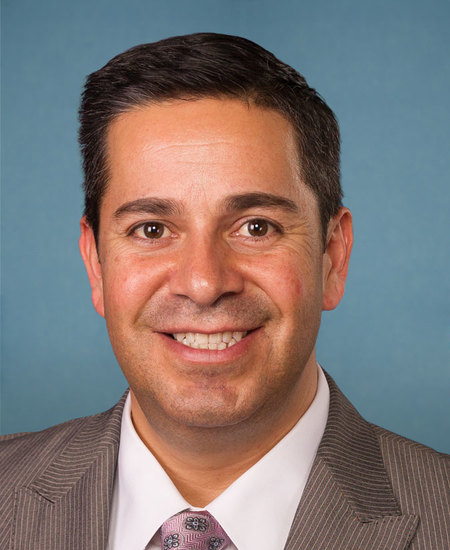
Schmitt Leads Bill to Prioritize Research on Tick-Borne Livestock Disease
Bill Designates Tick-Borne Livestock Disease as High-Priority Research Area to Protect Missouri Livestock Producers, Specifically for Disease Associated with the Asian Longhorned Tick U.S. SENATE — Today, U.S. Senator Eric Schmitt (R-MO), joined by U.S. Senator Roger Marshall (R-KS) and U.S. Senator Jim Justice (R-WV), introduced the Emerging Tick-Borne Livestock Disease Research Prioritization Act , which statutorily designates tick-borne livestock disease as a high-priority research area at the U.S. Department of Agriculture (USDA). The bill authorizes USDA to make competitive grants within pre-existing research programs aimed at developing vaccines, therapeutics, and treatments for tick-borne livestock disease. Specifically, the bill targets diseases associated with the Asian Longhorned Tick, several of which lack an approved vaccine or treatment. “Missouri is one of the nation’s leaders in livestock production, and our farmers and ranchers work too hard to have their livelihoods threatened by emerging tick-borne diseases. Invasive species like the Asian Longhorned Tick pose a growing risk to our livestock industry and the families who depend on it. By elevating the need for critical research into tick-borne livestock disease, we’re helping ensure producers have the tools they need to protect their herds, strengthen our food supply, and keep America’s agriculture industry competitive. I’ll keep working with Missouri’s farm families to protect for the Show-Me State’s number one economic driver,” said Senator Schmitt. “Cattle producers are not short on issues impacting their industry right now. The national cattle herd size is the lowest it’s been in 75 years, and with emerging threats like Asian Longhorned Ticks and New World Screwworm, the industry is under even more pressure. USDA needs to do everything they can to help find ways to combat vector-borne diseases and other threats to livestock, and this bill makes it a priority for them,” said Senator Jim Justice. “Kansas ranchers already have enough challenges without worrying about another invasive pest threatening their herds. As the Asian Longhorn Tick continues to spread, we need to stay ahead of it—not play catch-up,” said Senator Marshall. “This bill makes sure USDA treats this growing threat like the priority it is by directing more research toward protecting our cattle, our producers, and our food supply.” Background: Thanks to Senator Schmitt’s advocacy, this legislation is included in the current draft of the Senate Farm Bill. Missouri consistently ranks among the nation’s top three beef producers, supporting nearly 40,000 jobs. Asian Longhorn Ticks have spread aggressively across Missouri over the last several years. These ticks spread debilitating diseases including Theileriosis, which cause anemia, persistent infection, or death in livestock. There are no effective treatments for the condition, costing producers thousands of dollars per head when an animal dies. Missouri’s livestock industry contributes more than $9 billion in value added annually Statements of Support: “The Asian Longhorned tick is a rapidly growing threat to cattle and humans, with more research needed to combat this pest and the infectious diseases it carries. This legislation would fund critical research and education efforts that will improve cattle health, animal welfare, and the long-term financial stability of farmers and ranchers. Cattle producers understand it will take a collective effort to protect the future of U.S. cattle industry, and this bill is an important step in these efforts. NCBA thanks Senator Schmitt for introducing this legislation and working with U.S. cattle producers to lead the way on cutting edge research efforts,” said Sigrid Johannes, Director of Government Affairs, National Cattlemen’s Beef Association. “We met with Senator Schmitt and his team multiple times about the emergency in the U.S. cattle herd created by the Asian longhorned tick. He listened and went to work. Missouri producers are facing serious losses and lack tools to deploy to address the issue. We need research now that will lead to solutions as quickly as possible,” said Mike Deering, Executive Vice President, Missouri Cattlemen’s Association. “As the University of Missouri’s land-grant college of agriculture, we hear directly from the farmers, ranchers, and rural communities we serve about the challenges they face. Emerging tick-borne livestock diseases are a growing concern, and our role is to turn research into real-world solutions through innovation, Extension, and partnerships with producers. Senator Schmitt’s legislation recognizes the importance of investing in research and Extension so we can continue equipping Missouri’s livestock producers with the tools they need to protect herd health, strengthen rural communities, and keep America’s food supply strong and secure,” said Christopher Daubert, Dean of the University of Missouri’s College of Agriculture, Food and Natural Resources. “Livestock producers know firsthand how tick-borne illnesses can disrupt herd health and daily operations. When farmers invest their time, money and care into their animals, they need clear answers about the diseases that threaten them. Prioritizing research on tick-borne illnesses will help producers respond when disease strikes. Better data, improved diagnostics and stronger management tools all begin with focused scientific research. Understanding these diseases isn’t optional; it’s essential. We appreciate Sen. Eric Schmitt and his colleagues for recognizing this growing challenge and highlighting the need for stronger, targeted research,” said Garrett Hawkins, a 5 th generation farmer from St. Clair County and President of Missouri Farm Bureau. ###
93bbf51c-c234-4c07-a1c5-40a1f31b7cf9Issued within 24 hours
Other senators' releases published in the day before or after this one.