Congressman Mackenzie to Introduce New Congressional Stock Reform Legislation
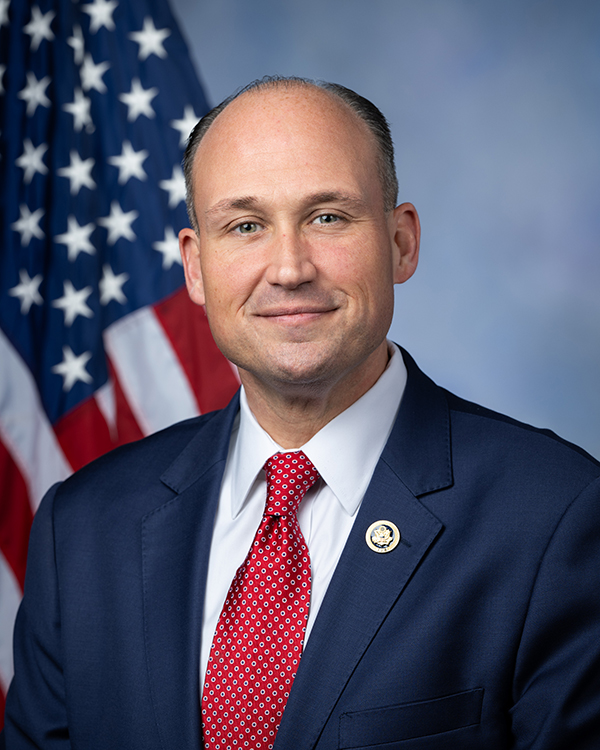
Image July 29, 2026 Press Release Washington, D.C. — Congressman Ryan Mackenzie (PA-07), representing the Lehigh Valley and the Poconos, will introduce legislation this week aimed at cracking down further on congressional stock trading. The Candidate Investment Transparency and Ethics (CITE) Act of 2026 will require candidates for all federal elected offices — including the U.S. House, Senate, and Presidency — to divest from individual stocks and other securities or place them in a blind trust. “The best way to stop members of Congress from trading stocks is to prevent them from ever starting,” said Congressman Mackenzie . “It’s not enough for candidates to make promises on this issue; they need to put their money where their mouth is. That’s why the CITE Act requires candidates for federal office to divest from individual stocks — or put them in a blind trust — before they even get to Election Day. Now more than ever, lawmakers need to earn the trust of the American people by rooting out profiteering and personal self-interest from the halls of Congress.” Congressman Mackenzie has been a leader in the fight against congressional stock trading. Since taking office in January of 2025, the Congressman has co-sponsored three bipartisan bills aimed at cracking down on the practice of members abusing their access in order to profit off of securities. Last week, a bipartisan majority in the U.S. House passed the Stop Insider Trading Act , of which Congressman Mackenzie is an original co-sponsor. That legislation includes a range of measures, including a ban on stock purchases by members of Congress, strict reporting requirements for sales of stock, and tough new penalties for violations. Stock trading by members of Congress has come under growing scrutiny in recent years. In 2025 alone, 14,451 trades were made by members totaling over $700 million in volume. The Cite Act of 2026 requires divestment from individual stocks and calls for investments to be moved to other generally accepted investments or for assets to be moved to a blind trust managed by an independent trustee. Commonsense exceptions are permitted for “widely diversified mutual funds” and other funds that track a “broad market index,” like the Dow Jones or the S&P 500. Under the Cite Act , candidates for federal office would be required to take these actions within 90 days of filing for office. The prohibition on acquisition of covered securities extends until an individual is no longer a candidate or member. Read the legislation HERE . ###
93ccb2a4-d138-4ce2-bbf1-a0d6bed28625Issued within 24 hours
Other senators' releases published in the day before or after this one.