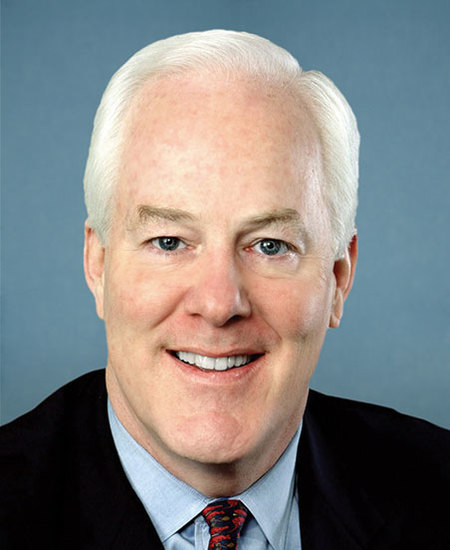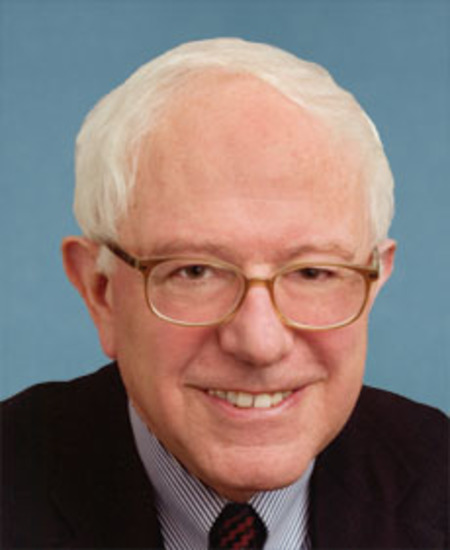
NEWS: Sanders, Grassley Reintroduce Bipartisan Bill to Audit the Pentagon and End Wasteful Spending
The Pentagon failed its eighth consecutive audit last year, unable to fully account for $4.65 trillion in assets WASHINGTON, July 30 – Sens. Bernie Sanders (I-Vt.) and Chuck Grassley (R-Iowa) today reintroduced the Audit the Pentagon Act. This legislation would impose financial consequences if the Pentagon fails to pass a full, independent audit. Any Pentagon component that fails to achieve a clean audit opinion would have 2% of its budget withheld and returned to the Treasury for deficit reduction. Joining Sanders and Grassley as cosponsors of the Audit the Pentagon Act are Sens. Ron Wyden (D-Ore.), Chris Van Hollen (D-Md.), Elizabeth Warren (D-Mass.), Cory Booker (D-N.J.), Tina Smith (D-Minn.), Ed Markey (D-Mass.), Mike Lee (R-Utah), Jeff Merkley (D-Ore.), Rand Paul (R-Ky.) and Chris Murphy (D-Conn.). Despite accounting for more than half of the federal government’s discretionary spending and roughly two-thirds of all federal contracting activity, the Pentagon remains the only one of the federal government’s 24 major agencies to have never passed a clean financial audit — a requirement under federal law since the early 1990s and mandatory on an annual basis since 2018. In its eighth consecutive failed audit, which was released in December 2025 and covered $4.65 trillion in reported assets and $4.7 trillion in liabilities across all 50 states and more than 40 countries, the Pentagon Office of Inspector General identified 26 instances of the most severe auditing errors and two additional significant accounting issues in the department’s internal controls over financial reporting. “The Pentagon has been plagued by a massive amount of waste, fraud and financial mismanagement for decades,” Sanders said. “Year after year, the Pentagon fails an audit, and year after year, Congress hands it another blank check. At a moment when the administration has dragged us into an unconstitutional war with Iran and is demanding the largest military budget in our history to pay for it, the Pentagon still cannot tell us where trillions of dollars have gone. We have got to end the absurdity of the Pentagon being the only major federal agency that has never passed an independent audit.” “America has the strongest military in the world and a mission to deliver peace through strength. National security is the number one responsibility of the federal government, and every dollar we spend to keep our country safe should be clearly accounted for. Yet, the Department of Defense has never received a clean audit opinion. Our bipartisan legislation holds the Defense Department accountable by ensuring it meets the same audit standards as other agencies, or it faces a financial penalty. Any dollar lost by the Department of Defense wastes taxpayers’ money and weakens our national security,” Grassley said. Examples of waste and fraud at the Pentagon include: Almost $141 billion spent on a Northrop Grumman ballistic missile project that was supposed to cost $77 billion, and which is seven years behind schedule. More than $126 billion spent on a General Dynamics submarine program which has run $17 billion over cost. The per-sub cost has nearly doubled since 2019. More than $12 billion spent on one missile battery from Leidos and Dynetics that the Pentagon can’t even confirm works. More than $6 billion spent over 16 years on a Raytheon project to build a GPS system. The Pentagon cancelled the project in April due to “insurmountable” problems with its product. Despite this record, Congress continues to expand the Pentagon’s budget every year. The Trump administration’s Fiscal Year 2027 budget request seeks approximately $1.15 trillion — the latest in a decades-long trend of rising Pentagon budgets that have never been matched by basic financial accountability. The Audit the Pentagon Act would finally hold the Pentagon accountable. Read the fact sheet here . Read the bill text here .
97d06958-7935-40a9-aed1-67bf5e1b6057Issued within 24 hours
Other senators' releases published in the day before or after this one.