Fetterman Joins Colleagues in Reintroducing Federal Marijuana Legalization Bill
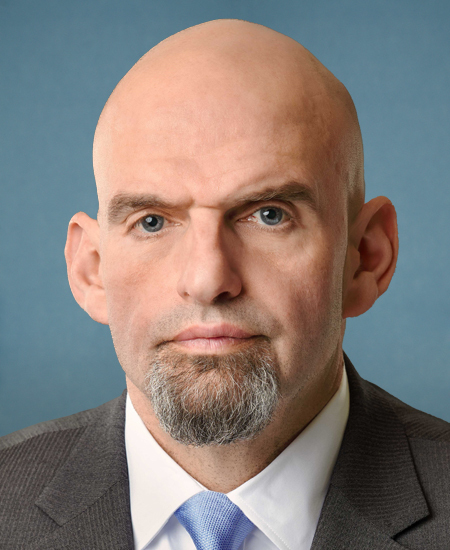
July 21, 2026 Fetterman Joins Colleagues in Reintroducing Federal Marijuana Legalization Bill WASHINGTON, D.C. — U.S. Senator John Fetterman (D-PA) joined his Senate Democratic colleagues in reintroducing the Cannabis Administration and Opportunity Act , comprehensive legislation that would end the harmful federal prohibition of cannabis by removing cannabis from the list of federally controlled substances and empowering states to create their own laws. “I’ve always been very pro-weed. In a very libertarian slant: I’m not going to judge anyone for using it to knock the edge off of life. I think your path to wellness should be without judgement or punishment—legal, safe, and regulated. I supported President Biden and President Trump when they took steps on the issue,” said Senator Fetterman . “But it is time for Congress to stop dicking around and make weed legal. This bill is a good step forward.” The Cannabis Administration and Opportunity Act would: Protect public health by: Establishing a Center for Cannabis Products to regulate production, labeling, distribution, sales, and other manufacturing and retail elements of the cannabis industry. Instructing the FDA to establish standards for labeling for cannabis products, including potency, doses, servings, place of manufacture, and directions for use. Establishing programs and funding to prevent youth cannabis use. Increasing funding for comprehensive opioid, stimulant, and substance use disorder treatment. Protect public safety by: Removing cannabis from the Controlled Substances Act and eliminating federal prohibitions in states that have chosen to legalize medical cannabis or adult-use cannabis. Retaining federal prohibitions on trafficking cannabis in violation of state law; establishing a grant program to help departments combat black market cannabis. Requiring the Department of Transportation (DOT) to create standards for cannabis-impaired driving. Directing the National Highway Traffic Safety Administration (NHTSA) to collect data on cannabis-impaired driving, create educational materials on best practices, and carry out media campaigns. Incentivizing states to adopt cannabis open-container prohibitions. Regulate and tax cannabis by: Transferring federal jurisdiction over cannabis to the Alcohol and Tobacco Tax and Trade Bureau (TTB). Eliminating the tax code’s restriction on cannabis businesses claiming deductions for business expenses and implementing an excise tax on cannabis products. Establishing market competition rules meant to protect independent producers, wholesalers, and retailers and prevent anti-competitive behavior. Encourage cannabis research by: Requiring the Government Accountability Office (GAO) to study and report on metrics that may be impacted by cannabis legalization. Requiring the Department of Health and Human Services (HHS) and the National Institutes of Health (NIH) to conduct or support research on the impacts of cannabis. Requiring the VA to carry out a series of clinical trials studying the effects of medical cannabis on the health outcomes of veterans diagnosed with chronic pain and post-traumatic stress disorder. Requiring the Bureau of Labor Statistics to regularly compile and publicize data on the demographics of business owners and employees in the cannabis industry. Establishing grants to build up cannabis research capacity at institutions of higher education, with a particular focus on minority-serving institutions and Historically Black Colleges and Universities. Prioritize justice by: Using federal tax revenue to fund an Opportunity Trust Fund to reinvest in communities and individuals most harmed by the failed War on Drugs. Establishing a Cannabis Justice Office at the Department of Justice’s Office of Justice Programs. Establishing a grant program to provide funding to help minimize barriers to cannabis licensing and employment for individuals adversely impacted by the War on Drugs. Establishing expedited FDA review of drugs containing cannabis manufactured by small businesses owned by socially and economically disadvantaged individuals. Directing the Secretary of Housing and Urban Development to establish a grant program to provide communities whose residents have been disproportionately affected by the War on Drugs with additional funding to address the housing, economic, and community development needs of such residents. Initiating automatic expungement of federal nonviolent cannabis offenses and allowing an individual currently serving time in federal prison for a nonviolent cannabis offense to petition a court for resentencing. Disallowing the denial of any benefits or protections under immigration law to any noncitizen based on their use or possession of cannabis. Preventing discrimination in the provision of federal benefits against people who use cannabis. Strengthen workers’ rights by: Removing unnecessary federal employee pre-employment and random drug testing for cannabis. Ensuring worker protections
9a8dd4f2-2efb-4acc-8e68-c2cad3170f87Issued within 24 hours
Other senators' releases published in the day before or after this one.