Curtis Questions Kari Lake, Highlights Growing CCP Influence in Caribbean
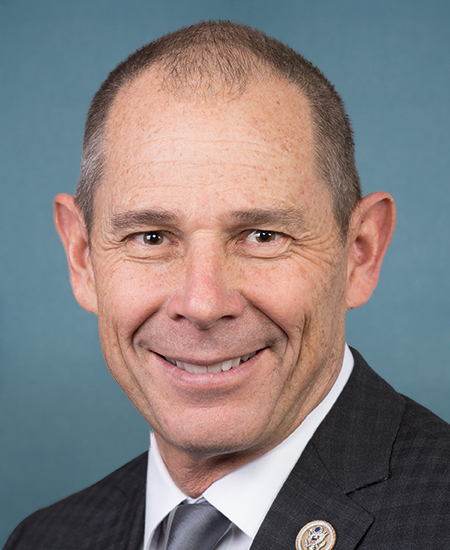
WASHINGTON —U.S. Senator John Curtis (R-UT) today raised concerns about China’s expanding influence in Jamaica during a Senate Foreign Relations Committee (SFRC) hearing to consider Kari Lake to be Ambassador to Jamaica, focusing on the national security implications of Chinese investments in critical infrastructure, telecommunications, and port operations throughout the Caribbean.
During his questioning, Curtis, chair of the SFRC Western Hemisphere Subcommittee, cited recent statements from Chinese officials describing Jamaica as a “strategic partner” of China and pressed for greater scrutiny of Beijing’s objectives in the region. Curtis also highlighted concerns surrounding Chinese involvement in Jamaica’s port infrastructure and the expansion of Huawei telecommunications technology, noting the potential risks related to data security, supply chain visibility, and regional stability.
The full transcript of the exchange is below, and video can be found here .
Senator Curtis: Ms. Lake, as you know, I’ve enjoyed getting to know you better. If I’m honest, I knew you from your persona, and you and I had really never met. I’ve spent a lot of time trying to get to know the real Kari Lake, and I’m grateful for the visit you made to my office and for the chance that we’ve had to talk about a number of issues.
So, I’m somewhat satisfied on all those questions and would like to turn my attention today to Jamaica, and particularly China. We’ve heard today about drugs and gangs, but also equally concerning to me is China and its relationship with Jamaica. The Chinese ambassador to Jamaica said in May that President Xi Jinping emphasized that Jamaica is a strategic partner of China. What’s your assessment of China’s strategic objectives in Jamaica, and really, what are their true motives there?
Kari Lake: Thank you, Senator Curtis. And yes, thank you for the time that you afforded me in your office. I enjoyed getting to know you as well. I had never met you before, and I sometimes have to go and prove to people I don’t have horns growing out of my head because the media has done a number on me. So, thank you for giving me the chance.
Curtis: I mentioned, as a Utahn, sometimes we have that same problem.
Lake: The media’s tough there, too?
Curtis: Well, people thinking we have horns.
Lake: Well, we appreciate you, and you’re our neighbor, Utah. We love Utah. We have a lot of good friends who live there as well. So, thank you so much.
I think I’m learning a lot more about it. I don’t know as much as you do, and I appreciate your service as Chairman of the Western Hemisphere Subcommittee. We talked a little bit about it, but there are massive concerns—not just from their strategy of taking a huge section of the ports, but also when you look at 5G and telecom, with Huawei expanding. It’s very concerning what could happen.
You know, there’s always strings attached with China. The question is: Do you want all of the information going through Huawei, where all of a sudden that information would be trickled back to the CCP and China? There are massive concerns. And this need right now to rebuild has created a lot of opportunity for companies to come in. I’d rather see—and I know you would, and everybody here would—American companies coming in to assist, not the continued increase of Chinese companies.
Curtis: Speaking of that, as you know, a Chinese firm won a major contract for the Kingston Port expansion in 2025. What questions should the U.S. be asking about data access, port resilience, logistics, and dual-use risks when it comes to ports?
Lake: Well, in this case, specifically the port. From what I’ve been briefed on, some of the concerns are that when they’re controlling and seeing everything that’s coming in, it puts American security at great risk. When they have access to and control over everything coming into the country, there are huge risks. I think the Department of War is probably looking closely at that. I’m looking forward to getting more briefings on this. As you know, everything I’ve been briefed on is what’s publicly available. As I learn more, I’d be happy to meet with you, or if you want to share concerns, I’d be happy to listen.
Curtis: You have a unique background in communications. How can you use that background to work with Jamaica and help them see exactly what comes with the Chinese relationship versus the U.S. relationship?
Lake: You know, if you’re not putting out your story, somebody else is. The Americans have done such great work with our partners in Jamaica. They’re neighbors. We have a great relationship. Culturally, we’re more similar than China is with Jamaica, and we need to tell the people what we’re doing. We were on the ground in massive numbers after the hurricane. The U.S. military carried out 133 flights in the hours after the hurricane struck, and we brought in almost 500—480-some—humanitarian relief workers.
We brought in search-and-rescue crews and heavy equipment to move debris off roads. Entire communities were cut off, and sadly there were 45 deaths, and many others were hurt. A quarter of a million people were displaced and needed housing. America was there. We need to tell that story. We will continue to be there, but we cannot continue to watch as China makes huge moves right here in our front yard.
Curtis: If you’re confirmed, I would love to see you use all of that expertise and talent to get that story out and help the United States get the credit it deserves, and make sure the blinders are off when it comes to China.
9d3c71ee-21d2-4236-a3be-6b7dd1f54935Issued within 24 hours
Other senators' releases published in the day before or after this one.