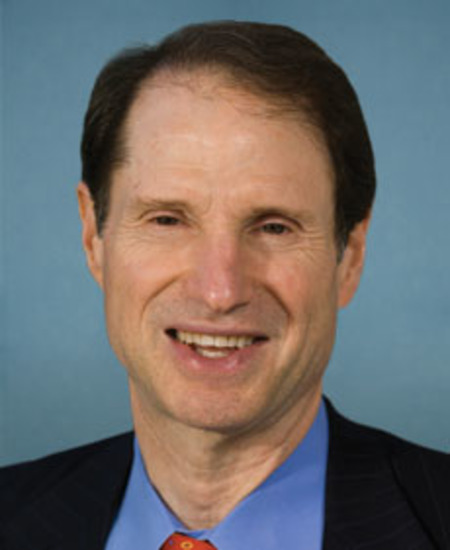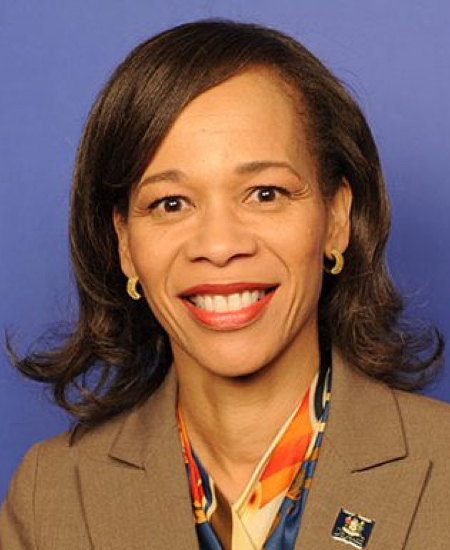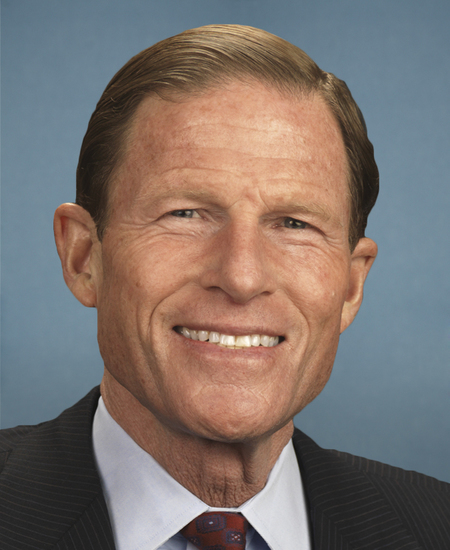
Blumenthal & Schakowsky Lead Call for Trump Administration to Halt Program Expanding Surveillance of Americans' ED Visits, Raise Privacy Concerns About Use of AI to Analyze Patient Data
[WASHINGTON, D.C.] – U.S. Senator Richard Blumenthal (D-CT) and U.S. Representative Jan Schakowsky (D-IL) today led a letter to U.S. Consumer Product Safety Commission (CPSC) Acting Chair Peter Feldman demanding answers about the Trump Administration’s proposed changes to a program used to inform product safety recalls that would expand surveillance of Americans’ emergency department records and risk patients’ privacy. In their letter to Feldman, Blumenthal, Schakowsky, U.S. Senator Adam Schiff (D-CA), and U.S. Representative Kevin Mullin (D-CA) raised concerns that the CPSC’s proposed changes to the National Electronic Injury Surveillance System (NEISS) unnecessarily expand the scope of the program’s surveillance efforts and expose patient data to security risks due to the implementation of artificial intelligence (AI) in the program. “The NEISS is an important tool that allows the CPSC to monitor product safety trends and issue product recalls or warnings to protect consumers. However, a review of the proposed NEISS-Remodel (NEISS-R) raises serious concerns about potential violations of agency process, changes to data collection that could impact agency rulemaking, and the use of AI,” the lawmakers wrote. The lawmakers continued, “As you know, the NEISS allows hospitals across the country to voluntarily submit information on emergency department visits involving consumer products. With this information, the CPSC is able to produce estimates of product-related injuries, monitor safety trends, and determine if a product recall or warning is necessary. On July 22, 2026, the CPSC announced an update to the system that will dramatically increase the scope of its surveillance and the use of AI.” The lawmakers continued, “Based on the novel nature of AI and the plethora of concerns that have been raised by experts, including AI industry leaders, it is essential that the CPSC seek appropriate input from relevant stakeholders – as required by law – before exposing patient data to undue risk. Therefore, we continue to strongly urge the CPSC to hold off on further action until the proper procedures are followed.” The lawmakers also raised concerns about the CPSC’s intention to expand data collection under the NEISS-R program, “Historically, hospitals have been instructed to exclude reports on emergency department visits outside of the CPSC’s jurisdiction. Based on public reporting, the NEISS-R appears to be effectively eliminating that guidance and dramatically expanding data collection efforts to include more than 10,000 injury codes. This includes incidents with no relation to consumer products governed by the CPSC, including both suicide attempts and vaccines.” The lawmakers continued, “ Given President Donald Trump’s recent claims that widely used vaccines could be ‘quite lethal’, these actions raise concerns that yet another formerly nonpartisan arm of government has been conscripted into Health and Human Services Secretary Robert F. Kennedy’s relentless search for data to bolster his unsupported theories about the dangers of approved vaccines.” The lawmakers called on CPSC to halt the implementation of NIESS-R in light of privacy concerns and a lack of transparency involving its implementation process “The use of AI has the potential to expose patient data to unnecessary security risks, including unintended data breaches and the improper use of individuals’ data to train current or future AI systems. Some of these concerns have already been echoed by former CPSC officials who explained the liability associated with collecting and storing massive amounts of data…Americans deserve the certainty that their personal health information is safe and that the CPSC is adequately managing the roll out of NEISS-R.” The full text of today’s letter is available here and below. Dear Acting Chair Feldman, We are deeply troubled by the Consumer Product Safety Commission’s (CPSC) decision to continue with the expansion of the National Electronic Injury Surveillance System (NEISS) without providing detailed information about its rollout to the public or to Congress. The NEISS is an important tool that allows the CPSC to monitor product safety trends and issue product recalls or warnings to protect consumers. However, a review of the proposed NEISS-Remodel (NEISS-R) raises serious concerns about potential violations of agency process, changes to data collection that could impact agency rulemaking, and the use of artificial intelligence (AI). [1] As you know, the NEISS allows hospitals across the country to voluntarily submit information on emergency department visits involving consumer products. [2] With this information, the CPSC is able to produce estimates of product-related injuries, monitor safety trends, and determine if a product recall or warning is necessary. [3] On July 22, 2026, the CPSC announced an update to the system that will dramatically increase the scope of its surveillance and the use of AI. [4] Under the Paperwork Reduction Act, the CPSC is obligated to submit a Federal Register notice and set up a public comment period along with publishing a System of Records notice before making this change. [5] Despite this legal requirement, the Commission has yet to initiate this process. [6] Based on the novel nature of AI and the plethora of concerns that have been raised by experts, including AI industry leaders, [7] it is essential that the CPSC seek appropriate input from relevant stakeholders – as required by law – before exposing patient data to undue risk. Therefore, we continue to strongly urge the CPSC to hold off on further action until the proper procedures are followed. Not only is the CPSC disregarding federal law and risking patient privacy, it is also departing from established operating policies. Historically, hospitals have been instructed to exclude reports on emergency department visits outside of the CPSC’s jurisdiction. [8] Based on public reporting the NEISS-R appears to be effectively eliminating that guidance and dramatically expanding data collection efforts to include more than 10,000 injury codes. This includes incidents with no relation to consumer products governed by the CPSC, including both suicide attempts and vaccines. [9 ] Recently, you told Nextgov/FCW that collecting medical records on vaccines was necessary because the CPSC regulates drug packaging under the Poison Prevention Packaging Act. This absurd justification is wrong on its face: PPPA was enacted to require the use of child-resistant packaging, primarily for household products. [10] While the law includes certain medications, such as common over the counter drugs, that could pose a hazard to children if they are not appropriately packaged, patients are not shopping for vaccines and taking them home, where they could be accidentally tampered with by a child. You also did not provide any evidence to back up your claim that there have been reported poisoning incidents involving vaccines that were not in child-resistant packaging. [11] Given President Donald Trump’s recent claims that widely used vaccines could be “quite lethal”, these actions raise concerns that yet another formerly nonpartisan arm of government has been conscripted into Health and Human Services Secretary Robert F. Kennedy’s relentless search for data to bolster his unsupported theories about the dangers of approved vaccines. [12 ] Further, we are deeply concerned that these changes under NEISS-R could impact agency rulemaking procedures and outcomes. Major changes to the NEISS could fundamentally reshape how safety rules are prioritized, justified and litigated. NEISS is designed to represent a statistical sample of injury data from across U.S. that the CPSC has used to estimate national injuries and deaths, as well as support rulemakings. It is unclear how this new system will provide comparable nationally representative data and whether differences in methodology and data collection could hamper future rulemakings that require demonstrable risk over time. Consumer safety from hazardous products hinges on strong agency rules that hold industries accountable. It is critical that the agency provide honest and transparent information to the public regarding this matter. The need for transparency is increasingly important given the use of AI in analyzing patients’ personal information and medical data. Konza Health, the CPSC’s contractor for this project, has claimed it will use “advanced analytic parsing and filtering capabilities” to automatically filter and transmit the massive amount of data collected from hospitals to the CPSC.” [13] Additionally, a spokesperson from the CPSC shared that after receiving the information from Konza Health, the CPSC would use AI to conduct data analysis and identify trends. Given the role that AI will play in the NEISS-R and the fact that Konza Health could be responsible for storing and securing large swaths of user medical data, it is imperative that the public receive a full account of what technologies and software they will use to comply with this initiative. [14] This is especially important because neither Konza Health nor the CPSC have confirmed if patients will be asked to consent to having their information shared. The use of AI has the potential to expose patient data to unnecessary security risks, including unintended data breaches and the improper use of individuals’ data to train current or future AI systems. Some of these concerns have already been echoed by former CPSC officials who explained the liability associated with collecting and storing massive amounts of data. [15] Americans deserve the certainty that their personal health information is safe and that the CPSC is adequately managing the roll out of NEISS-R, including strong oversight of Konza Health. The CPSC has claimed that the final architecture of the NEISS-R has not yet been determined since the CPSC does not expect to finalize the NEISS-R until 2027. If that is indeed true, this means that hospitals have been solicited for participation and asked to consent to data sharing requirements before the CPSC can even answer basic questions about the new system. If the CPSC is committed to honesty and transparency, implementation of the NIESS-R must be publicly halted until the CPSC, Congress, and the public have an understanding of the full scope and impact of these updates. To achieve this, we request answers to the following questions by November 19 th , 2026: Will the CPSC require consent from patients prior to the use of their medical data for the NEISS-R system? How will the CPSC use AI to analyze and sort the data collected from hospitals? Konza Health has claimed that they are not using AI. Please describe how Konza Health will perform its obligations under its contract and whether it includes the use of AI. Will any Personally Identifiable Information (PII) obtained through NEISS-R be used to train AI software? If using a third-party AI product not hosted by the CPSC, will PII be used as an input or otherwise exposed to the model? What restrictions, if any, does the CPSC plan to implement on transferal of PII to any third party? Please provide a detailed description of any current or future plans to share NEISS-R data with the Department of Health and Human Services (HHS). Please specify what type of data analyses Konza Health will conduct that require the use of PII. Please explain why the analyses cannot be done with data that has been anonymized and/or aggregated before Konza has access. How will changes to data collection methodologies impact the CPSC’s ability to extrapolate trends or use the data for rulemaking? How will the CPSC ensure the statistical validity of the system if hospitals select not to respond to the request for information? As stated above, you recently defended the CPSC’s decision to collect vaccine information because of the CPSC’s oversight of the Poison Prevention Packaging Act. Please explain how the PPPA applies to vaccines administered in a health care setting. Please provide a detailed list of incidents related to the “poisonings associated with… pharmaceutical packaging that doesn't meet specific child-resistant special packaging requirements” that you alluded to in your statement. Please provide a detailed explanation of any staffing changes planned to accommodate NEISS-R and the expanded use of AI. What support is the CPSC providing to hospitals to meet its request for information? Does the CPSC plan to issue a System of Records Notice or to publish the proposal for public comment as required by the Paperwork Reduction Act? If so, when and if not, please explain why? -30-
a2df94d8-44ed-4cb3-9efc-57e6a1c11f5eIssued within 24 hours
Other senators' releases published in the day before or after this one.