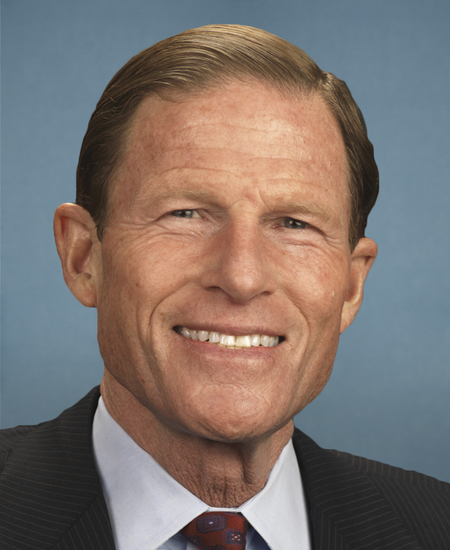
Ahead of Trump’s SOTU Address, Cantwell Defends America’s Voting System on Senate Floor: “State Systems … Are Working, and They Are Not Finding Significant Voter Fraud.”
02.24.26 Ahead of Trump’s SOTU Address, Cantwell Defends America’s Voting System on Senate Floor: “State Systems … Are Working, and They Are Not Finding Significant Voter Fraud.” ALSO: Cantwell & WA Sec of State Steve Hobbs, her SOTU guest, appear at press conference to highlight threats to WA’s secure & accessible vote-by-mail system; Cantwell snapshot report shows how House-passed SAVE America Act could disenfranchise millions of Washingtonians - particularly residents in rural areas & women who took their spouses’ names WASHINGTON, D.C. – Just now, a few hours before President Donald Trump’s State of the Union address, U.S. Senator Maria Cantwell (D-WA) gave a speech on the Senate floor highlighting the need to defend voter access and safe, established vote-by-mail systems from overreach by the Trump Administration. “Article One, Section Four of the Constitution says that the states administer elections. That Congress can regulate, but there is no role for the President,” said Sen. Cantwell. "Have states been failing in election administration? Is there a public outcry from Republicans or Democrats who observe the elections every year, or the League of Women Voters that the federal government should overturn our Constitution and give this power to the President?” Sen. Cantwell cited research showing that claims of the bill’s supporters of widespread election fraud, including voting by noncitizens, are not supported by the facts. She noted that the conservative Heritage Foundation found just 1,620 cases of election fraud nationwide over more than forty years – an average of only three dozen cases per year across the entire country. The same research found only 15 cases of election fraud in Washington state during the same period, or an average of only about one case every three years. Sen. Cantwell also pointed to research by the Brennan Center for Justice, which is also cited by the nonpartisan League of Women Voters in its opposition to the legislation, showing that the rate of suspected non-citizens voting is just .0001%, or one ten-thousandth of 1%. By comparison, Sen. Cantwell said, about 154 million Americans voted in the 2024 election. “But somehow people are saying we should disenfranchise millions of Americans -- some have estimated as high as 9% of the voting public -- to somehow improve that one ten-thousandth of one percent,” said Sen. Cantwell. Video of her full speech is HERE ; a transcript is HERE . After her speech, Sen. Cantwell and Washington Secretary of State Steve Hobbs, her guest for tonight’s address and an expert in Washington state’s safe and secure vote-by-mail system, appeared at a press conference to discuss the threats to Washington’s voters. “[President Trump] is basically threatening to nationalize the elections. This is unconstitutional,” said Sen. Cantwell. “ We know that in our state, people vote by mail, and it has been a secure system, and we have very, very little voter fraud.” "If this administration was serious about elections, you know what they would do? They would restore the funding and support which they cut last year to programs to defend our elections from constant cyberattack and disinformation campaigns from overseas actors ,” said Sec. Hobbs. “Hire back the cybersecurity experts and professionals that supported our elections.” Video of the full press conference is HERE ; video of Sen. Cantwell’s remarks is HERE , video of Sec. Hobbs remarks are HERE . Photos of the press conference are available HERE . A transcript of the remarks by Sen. Cantwell and Sec. Hobbs is HERE . The administration and Republicans in Congress are advancing the SAVE America Act , changing the rules for postmarking ballots , and trying to force states to turn over voter data. The SAVE America Act, which passed the House of Representatives earlier this month 218-213 and is awaiting a vote by the Senate, is a “show your papers” mandate that would require Americans to present, in person, either a passport or birth certificate to election officials in order to register or change their registration to vote. Last week, Sen. Cantwell released a snapshot report showing who in Washington would face undue hurdles to voting if the SAVE America Act were signed into law. The report shows that certain populations – including people who live in rural areas, women who changed their name after marriage, and people who recently moved – would face additional, cumbersome burdens to prove their citizenship. Also last week, Sen. Cantwell convened press conferences with local leaders in Seattle and Vancouver urging Washingtonians to fight back against these proposed new burdens to voting. The SAVE America Act could disenfranchise millions of Washingtonians: According to the Center for American Progress , approximately 2.8 million citizens in Washington do not have a passport. Approximately 1.6 million women in Washington state who have taken their spouse’s name do not have a birth certificate matching their legal name. Under the SAVE America Act, Washingtonians who want to register to vote, or need to change their name, the address where they are registered, or other details would need to travel in-person to their county elections office and show proof of citizenship. The burden would fall hardest on Washingtonians living in rural areas. This would affect voters in all 39 of Washington’s counties, but for example: In King County, a Skykomish resident would need to make an approximately 3 hour and 40 minute round trip drive to the county election office in Renton and back. In Clark County, a resident of Amboy would face a 1 hour and 40 minute round trip to the county elections office in Vancouver. In Spokane County, an Elk resident would face a 1 hour and 50 minute round trip to the county elections office in Spokane. The House passed the bill after President Donald Trump called on Republicans to “nationalize the voting,” saying, “The Republicans should say, we want to take over, we should take over the voting, the voting in at least many, 15 places.” Although the U.S. Constitution expressly gives states authority to determine how to administer their elections while reserving authority for Congress to address elections by passing legislation – without giving the president authority to unilaterally interfere in elections – Trump has also said he intends to act on his own to changes the rules for elections, “whether approved by Congress or not!” Moreover, Trump has threatened voting by mail , saying, “There would be no mail-in ballots.” Washington state started vote-by-mail in 1983, adopted optional vote-by-mail in 2005, and enacted universal vote-by-mail in 2011. Last year, after President Trump issued an executive order that attempts to assert broad presidential authority over elections – despite the clear language of the Constitution – Washington filed suit challenging the order, along with neighboring Oregon, also a pioneer of vote-by-mail. Last month, a federal judge in Washington state sided with the state , blocking the Trump Administration from enforcing most of the order while the litigation continues – mirroring similar rulings in other challenges to the Trump order brought by 19 other states and by voting rights groups. Sen. Cantwell has been a staunch defender of Washingtonians’ voting rights and the vote-by-mail system – both of which have come under attack in recent weeks. On Feb. 5, she appeared on MSNOW’s Morning Joe to push back against the Trump administration’s heightened efforts to interfere in state-run elections and collect private data on American voters. Video of Sen. Cantwell’s appearance is HERE ; a transcript is HERE . On Jan. 29, Sen. Cantwell joined Senate colleagues in a letter to AG Pam Bondi, pushing the Department of Justice (DOJ) to stop its unlawful pressure campaign to coerce dozens of states into providing the Trump Administration their voter rolls, which include voters’ personally identifiable information. DOJ has sued 24 states and the District of Columbia demanding the personal information of their voters. On Jan. 15, she joined Senate colleagues in a letter to United States Postal Service (USPS) Postmaster General David Steiner raising concerns with recent developments affecting postmark practices. On Jan. 9, she joined 13 Senate colleagues in filing an amicus brief before the Supreme Court in Watson v. Republican National Committee , a significant case the Court will hear this year that affects voting by mail. The case, brought by the Republican National Committee, threatens the election administration practices of states like Washington that permit the counting of mail ballots that are postmarked by Election Day to be counted when they are received within a certain number of days after Election Day. ### Print Email Tweet Next Article Previous Article
a3c0ac75-8a04-4299-bb4a-997d65e9acb1Edit history (1 prior version)
This release was edited after publication. Earlier captures are preserved below.
- Captured May 2, 2026, 10:09 AM EDT
Show prior body text
WASHINGTON, D.C.– Just now, a few hours before President Donald Trump’s State of the Union address, U.S. Senator Maria Cantwell (D-WA) gave a speech on the Senate floor highlighting the need to defend voter access and safe, established vote-by-mail systems from overreach by the Trump Administration. “Article One, Section Four of the Constitution says that the states administer elections. That Congress can regulate, but there is no role for the President,”said Sen. Cantwell."Have states been failing in election administration? Is there a public outcry from Republicans or Democrats who observe the elections every year, or the League of Women Voters that the federal government should overturn our Constitution and give this power to the President?” Sen. Cantwell cited research showing that claims of the bill’s supporters of widespread election fraud, including voting by noncitizens, are not supported by the facts. She noted that the conservative Heritage Foundation found just 1,620 cases of election fraud nationwide over more than forty years – an average of only three dozen cases per year across the entire country. The same research found only 15 cases of election fraud in Washington state during the same period, or an average of only about one case every three years. Sen. Cantwell also pointed toresearchby the Brennan Center for Justice, which is also cited by the nonpartisan League of Women Voters in its opposition to the legislation, showing that the rate of suspected non-citizens voting is just .0001%, or one ten-thousandth of 1%. By comparison, Sen. Cantwell said, about 154 million Americans voted in the 2024 election. “But somehow people are saying we should disenfranchise millions of Americans -- some have estimated as high as 9% of the voting public -- to somehow improve that one ten-thousandth of one percent,”said Sen. Cantwell. Video of her full speech isHERE; a transcript isHERE. After her speech, Sen. Cantwell and Washington Secretary of State Steve Hobbs, her guest for tonight’s address and an expert in Washington state’s safe and secure vote-by-mail system, appeared at a press conference to discuss the threats to Washington’s voters. “[President Trump] is basically threatening to nationalize the elections. This is unconstitutional,”said Sen. Cantwell. “We know that in our state, people vote by mail, and it has been a secure system, and we have very, very little voter fraud.” "If this administration was serious about elections, you know what they would do? They would restore the funding and support which they cut last year to programs to defend our elections from constant cyberattack and disinformation campaigns from overseas actors,” said Sec. Hobbs.“Hire back the cybersecurity experts and professionals that supported our elections.” Video of the full press conference isHERE; video of Sen. Cantwell’s remarks isHERE, video of Sec. Hobbs remarks areHERE. Photos of the press conference are availableHERE. A transcript of the remarks by Sen. Cantwell and Sec. Hobbs isHERE. The administration and Republicans in Congress areadvancing the SAVE America Act, changing therules for postmarking ballots, and trying to force states toturn over voter data. The SAVE America Act, which passed the House of Representatives earlier this month 218-213 and is awaiting a vote by the Senate, is a “show your papers” mandate that would require Americans to present, in person, either a passport or birth certificate to election officials in order to register or change their registration to vote. Last week, Sen. Cantwell released asnapshot reportshowing who in Washington would face undue hurdles to voting if the SAVE America Act were signed into law. The report shows that certain populations – including people who live in rural areas, women who changed their name after marriage, and people who recently moved – would face additional, cumbersome burdens to prove their citizenship. Also last week, Sen. Cantwell convened press conferences with local leaders inSeattleandVancouverurging Washingtonians to fight back against these proposed new burdens to voting. The SAVE America Act could disenfranchise millions of Washingtonians: The burden would fall hardest on Washingtonians living in rural areas. This would affect voters in all 39 of Washington’s counties, but for example: The House passed the bill afterPresident Donald Trump called on Republicans to “nationalize the voting,”saying, “The Republicans should say, we want to take over, we should take over the voting, the voting in at least many, 15 places.” Although the U.S. Constitution expressly gives states authority to determine how to administer their elections while reserving authority for Congress to address elections by passing legislation – without giving the president authority to unilaterally interfere in elections –Trump has also said he intends to act on his ownto changes the rules for elections, “whether approved by Congress or not!” Moreover,Trump has threatened voting by mail, saying, “There would be no mail-in ballots.” Washington state started vote-by-mail in 1983, adopted optional vote-by-mail in 2005, and enacted universal vote-by-mail in 2011. Last year, after President Trump issued an executive order that attempts to assert broad presidential authority over elections – despite the clear language of the Constitution – Washington filed suit challenging the order, along with neighboring Oregon, also a pioneer of vote-by-mail. Last month, afederal judge in Washington state sided with the state, blocking the Trump Administration from enforcing most of the order while the litigation continues – mirroring similar rulings in other challenges to the Trump order brought by 19 other states and by voting rights groups. Sen. Cantwell has been a staunch defender of Washingtonians’ voting rights and the vote-by-mail system – both of which have come under attack in recent weeks. ###
Issued within 24 hours
Other senators' releases published in the day before or after this one.