Warner, Colleagues Press DOJ on Fair and Legal Deployment of Election Monitors During Midterms
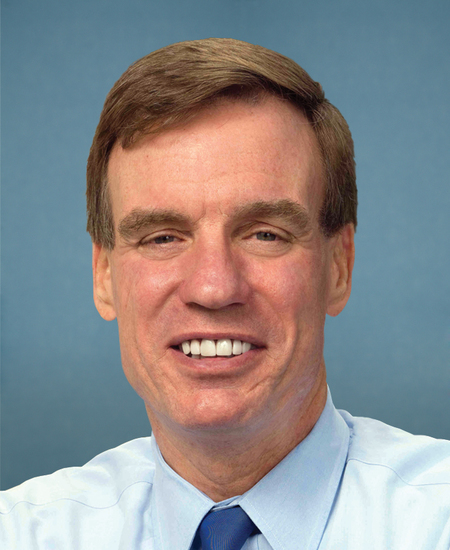
WASHINGTON – With less than 100 days until the midterms and amid ongoing threats from President Trump to nationalize, militarize, and otherwise interfere with the administration of elections, U.S. Sen. Mark R. Warner (D-VA), Vice Chair of the Senate Select Committee on Intelligence, led a group of his colleagues in pressing the Department of Justice (DOJ) on their compliance with federal voting laws, as well as cautioning against the misuse of any federal election monitors to target jurisdictions in a partisan manner or interfere with voting or state and local election officials’ administration of the voting process. In a letter to Acting Attorney General Todd Blanche and Assistant Attorney General for the Civil Rights Division Harmeet Dhillon, the senators wrote, “Federal election monitors have been present at election sites on Election Day for decades and play a critical role in assessing if state and local elections are administered in compliance with federal civil and voting rights laws, including the laws that guarantee equal access to the polls, language assistance, and disability accommodations. The election monitors program has been implemented under Democratic and Republican administrations alike and has largely operated without incident or controversy. It is important that American voters trust that the U.S. Department of Justice’s election monitors will focus only on their statutory ambit and will not target jurisdictions in a partisan manner; discourage voter participation or interfere with the voting process; or pressure, harass, or interfere with state and local election officials as they do their jobs.” This letter follows DOJ’s July 7, 2026, announcement that it would deploy election monitors to 15 jurisdictions across Arizona, Michigan, Massachusetts, Minnesota, New Hampshire, and Virginia during the 2026 primary election season, with plans to expand the program for the general election. While DOJ characterized the effort as “routine” and “nonpartisan,” the senators are concerned that monitors are being disproportionately assigned to jurisdictions in states led by Democrats. They also noted that the announcement comes amid ongoing threats from President Trump regarding federal involvement in the administration of free and fair elections, underscoring the need to demonstrate that the program is administered within its legal authority. The senators reminded DOJ that election monitors remain subject to all applicable federal, state, and local laws, including laws prohibiting voter intimidation, interference with voting, threats or harassment of election workers, and political activity while serving in an official capacity. They emphasized that the Constitution clearly assigns states and territories the primary responsibility for administering elections, and that any federal monitoring is supplemental and must respect that constitutional framework. In light of the president’s and DOJ’s false statements, threats, and repeated election misinformation, the senators requested a staff briefing and answers to a series of questions about the Department’s election monitors program, including: the program’s legal authority and objectives; the criteria used to select jurisdictions for monitoring; how election monitors are recruited, vetted, trained, and supervised; whether political appointees are eligible to serve as monitors; what safeguards are in place to prevent voter intimidation, partisan activity, or interference with election administration; and whether the Department has changed any policies or procedures governing the program since January 20, 2025. The senators concluded, “As demonstrated under both Democratic and Republican administrations, U.S. elections are safe, secure, and fair. The Department’s election monitors program must not be used to undermine that fact. Election monitors must carry out their responsibilities in a manner that respects and upholds voters’ rights, complies with the applicable legal requirements, and does not interfere with state and local election officials’ administration of the voting process.” In addition to Sen. Warner, this letter is signed by U.S. Sens. Tim Kaine (D-VA), Alex Padilla (D-CA), Dick Durbin (D-IL), Amy Klobuchar (D-MN), Tina Smith (D-MN), Jeanne Shaheen (D-NH), Maggie Hassan (D-NH), Gary Peters (D-MI), and Elissa Slotkin (D-MI). Read the full letter here and below. Dear Acting Attorney General Blanche and Assistant Attorney General Dhillon: We write today regarding the U.S. Department of Justice’s election monitors program and to assert our expectation that the Department will ensure that any monitors that localities choose to admit will comply with all applicable federal and state laws and will not interfere with the election processes that monitors are assigned to observe. Federal election monitors have been present at election sites on Election Day for decades and play a critical role in assessing if state and local elections are administered in compliance with federal civil and voting rights laws, including the laws that guarantee equal access to the polls, language assistance, and disability accommodations. The election monitors program has been implemented under Democratic and Republican administrations alike and has largely operated without incident or controversy. It is important that American voters trust that the U.S. Department of Justice’s election monitors will focus only on their statutory ambit and will not target jurisdictions in a partisan manner; discourage voter participation or interfere with the voting process; or pressure, harass, or interfere with state and local election officials as they do their jobs. On July 7, 2026, Assistant Attorney General (AAG) Harmeet Dhillon announced that the U.S. Department of Justice’s Civil Rights Division will be sending election monitors to 15 jurisdictions in Arizona, Michigan, Massachusetts, Minnesota, New Hampshire, and Virginia during the 2026 primary election season. In the announcement, AAG Dhillon indicated that the program will be expanded for the general election. The announcement characterizes this effort as “routine” and “nonpartisan.” However, it would be remiss not to acknowledge concerns that monitors are being deployed disproportionately to jurisdictions in states governed by Democratic leaders or with Democratic chief election officials. Moreover, election monitors are being deployed in the context of President Trump’s ongoing threats to nationalize, militarize, and otherwise interfere with the conduct of free and fair elections. In light of this context, it is critical that the selection criteria does not appear to be politically motivated and is instead driven by a commitment to impartially and neutrally observe federal civil and voting rights compliance. This perception is particularly important given that the implementation of the election monitors program during the primary election season will set a precedent for its use during the midterm election. Voters must have confidence that the election monitors program under your leadership is implemented in accordance with its longstanding and statutorily defined purpose, conducted within legal boundaries, and committed to non-interference in state and local election processes. To that end, we remind you that election monitors are subject to the same federal laws that apply to all individuals at polling locations. These include laws prohibiting voter intimidation, interference with voting, and threats or harassment of election workers. Acting in their capacity as government officials does not exempt monitors from compliance with these laws, but in fact, subjects them to additional penalties, including as a result of engaging in political activity while on duty. For these reasons, it is vital that election monitors are properly trained and have the appropriate temperament and experience to serve in this capacity. Election monitors are also equally subject to state and local laws, including laws governing the observation of the electoral process and access to polling places. The U.S. Constitution unambiguously assigns states and territories the responsibility for administering elections —any election-related efforts by the federal government, including through the election monitors program, is supplementary and may not infringe on states’ constitutional duty to administer elections. Given the false statements, threats, and election misinformation made by the President and your offices, we request a staff briefing and responses to the following questions no later than two weeks from the date of this letter: Please describe the Department’s election monitors program, including its legal authority and objectives. What criteria, factors, and data does the Department use to determine if a state, county, city, municipality, or polling location is selected for election monitoring? Who makes the final decision regarding which jurisdictions receive election monitoring? Please provide all guidance, policies, manuals, memoranda, scoring criteria, or other documents utilized by the Department to identify or prioritize jurisdictions for monitoring in the 2026 primary and general elections. Since January 20, 2025, which jurisdictions were considered for election monitoring and ultimately not selected, and why? Please provide all recruitment material, including emails, memoranda, or other solicitation documents used to invite individuals to serve as election monitors. Please describe the criteria and process used to select individuals to serve as election monitors, including any qualifications, experience, training prerequisites, background investigations, or other eligibility requirements. Are Executive Branch political appointees, including presidential appointments with Senate confirmation (PAS), political appointees, political appointees as defined under 5 U.S.C. sections 513 through 5316, Political Schedule A, Political Schedule C, noncareer Senior Executive Service, limited term Senior Executive Service, limited emergency Senior Executive Service, appointees serving in a political capacity under agency-specific authority, and provisional political appointees, eligible to serve as election monitors? Are any currently slated to serve as election monitors in the jurisdictions listed in the July 7 announcement? Please describe the training provided to election monitors, including the duration, format, educators or trainers and their qualifications, and the topics covered. Please provide all guidance, policies, manuals, presentations, handbooks, training materials, examinations, training agendas, or other instructional documents provided to election monitors. Please explain how the Department ensures that election monitors conduct their duties in a manner consistent with applicable federal, state, and local law and Department policy, including safeguards to prevent voter intimidation, interference, or partisan activity. Please supply all guidance provided to election monitors regarding interactions with voters, election officials, poll workers, observers not affiliated with the Department, and law enforcement. What changes, if any, has the Department made to the program’s policies and training materials since January 20, 2025, and what prompted those changes? Please provide any communication and documentation relating to those changes. Please describe the Department’s procedures for documenting, reporting, and evaluating election monitors’ observations related to compliance with federal civil rights and voting rights laws. Please describe the Department’s process and timeline for reviewing, investigating, and addressing potential violations identified by election monitors. What is the Department’s process and timeline for receiving, reviewing, and investigating complaints concerning the conduct and behavior of the Department’s election monitors? As demonstrated under both Democratic and Republican administrations, U.S. elections are safe, secure, and fair. The Department’s election monitors program must not be used to undermine that fact. Election monitors must carry out their responsibilities in a manner that respects and upholds voters’ rights, complies with the applicable legal requirements, and does not interfere with state and local election officials’ administration of the voting process. We appreciate your attention to this matter and look forward to your response. ###
ad719797-6c68-4b66-9fce-e173c1b36f61Issued within 24 hours
Other senators' releases published in the day before or after this one.