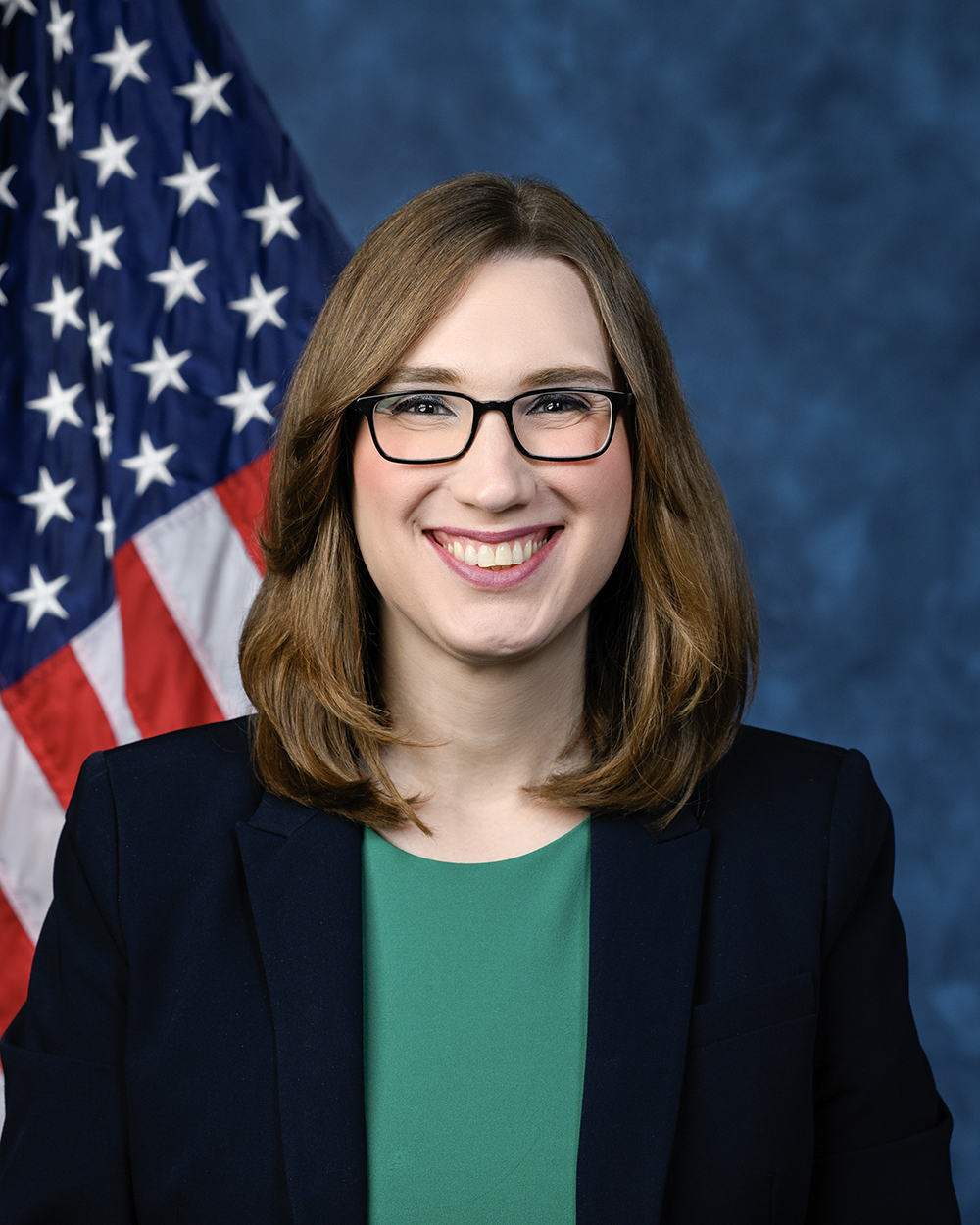
Rep. Ritchie Torres Leads Bicameral New York Delegation in Urging Education Department to Protect TRIO Programs
Resources / In the News Share on Rep. Ritchie Torres Leads Bicameral New York Delegation in Urging Education Department to Protect TRIO Programs May 21, 2026 In the News WASHINGTON, D.C. – Today, Congressman Ritchie Torres (NY-15), joined by Senator Kirsten Gillibrand and Reps. Yvette Clarke (NY-09), Adriano Espaillat (NY-13), Dan Goldman ( NY-10), Timothy Kennedy (NY-26), George Latimer (NY-16), John Mannion (NY-22), Gregory Meeks (NY-05), Grace Meng (NY-06), Joseph Morelle (NY-25), Alexandria Ocasio-Cortez (NY-14), Thomas Suozzi (NY-03), Paul Tonko (NY-20), and Nydia Velázquez (NY-07), sent a letter to Secretary of Education Linda McMahon raising serious concerns about proposed changes to federal TRIO programs that support low-income and first-generation students. TRIO helps students who face barriers to higher education get to and through college, from middle schoolers navigating applications and financial aid to adults returning to school. The delegation is urging the Department to rescind the FY2026 grant applications, warning the proposed changes would pull TRIO away from its statutory college-access mission, jeopardizing services for the students the program was created to serve. The restructured applications would also disadvantage existing local grantees by broadening eligibility to state agencies and allowing them to pursue multi-million dollar awards capable of absorbing the entire allocation, while failing to guarantee renewal funding for high-performing grantees. Nationally, the Department plans to cut Talent Search grantees from 517 to 175 and EOC grantees from 160 to 55, shrinking both programs by roughly two-thirds. In FY25, 11,392 New York students relied on these programs, and thousands stand to lose access if the cuts move forward. The delegation is calling on the Department to withdraw the applications, reissue them in coordination with Congress, extend existing grants by one year, and schedule a call with the undersigned members. The full letter reads: “As Members of the New York Congressional Delegation and strong supporters of the Federal TRIO Programs, we write with significant concerns about the Fiscal Year 2026 grant applications for the TRIO Talent Search and Educational Opportunity Centers (EOC) programs. The grant structure outlined in these applications reflects a dramatic shift in mission and redirects funds from the core purpose of both programs. We respectfully request that the Administration rescind the applications and work with Congress to revise and reissue them, ensure there is no lapse in funding for any Talent Search or EOC projects scheduled to expire on August 31, 2026, and schedule a call with the undersigned Members to discuss these concerns directly. “While all TRIO programs support postsecondary access in general, the purpose of TRIO is to promote college awareness, preparation, and completion for low-income, potential first-generation college students. The Higher Education Act requires Talent Search programs serving students in grades 6 through 12 to provide “high quality academic tutoring services,” along with assistance preparing for college entrance examinations, completing admission applications, and identifying financial aid. (20 U.S.C. § 1070a-12(b).) EOCs are similarly required to assist adult learners with academic, admissions, and financial aid supports. (20 U.S.C. § 1070a-16(a).) Yet the notices inviting applications require applicants to reorient programming around registered apprenticeships, work-based learning, and career and technical education. Congress has enacted separate vehicles to support workforce training, including Workforce Pell in the One Big Beautiful Bill Act (P.L. 119-21). TRIO is an education program, and it should remain one. “We are also concerned that the applications restructure the programs in ways that significantly disadvantage current grantees. First, they broaden eligibility to state educational agencies, state workforce development agencies and boards, and state higher education agencies, awarding them five additional points under a competitive preference priority. Second, they fail to guarantee that high-performing grantees will receive renewal awards at least equal to their previous funding levels, a departure from standard TRIO practice. Instead, they permit state-level applicants to pursue multi-million dollar awards capable of absorbing the entire allocation. Under this structure, the Department intends to reduce the number of Talent Search grantees from 517 to 175 and EOC grantees from 160 to 55, shrinking both programs by roughly two-thirds. “The consequences for New York would be severe. In Fiscal Year 2025, Talent Search and EOC programs across our state served 11,392 students, including 8,081 in grades 6 through 12 and 3,311 adult learners returning to higher education. These programs are anchored at colleges, universities, and community-based organizations from New York City and the Hudson Valley to the Capital
ae5dce80-adf0-450f-8fcb-7994f630b99cIssued within 24 hours
Other senators' releases published in the day before or after this one.